Surface treatment of spiral welded pipe
Date: 2022-12-01
Surface treatment of spiral welded pipe
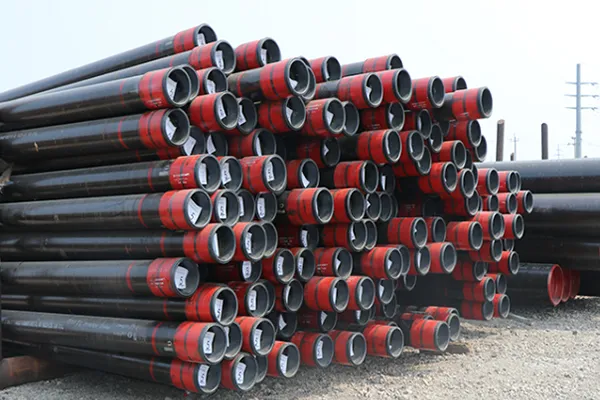
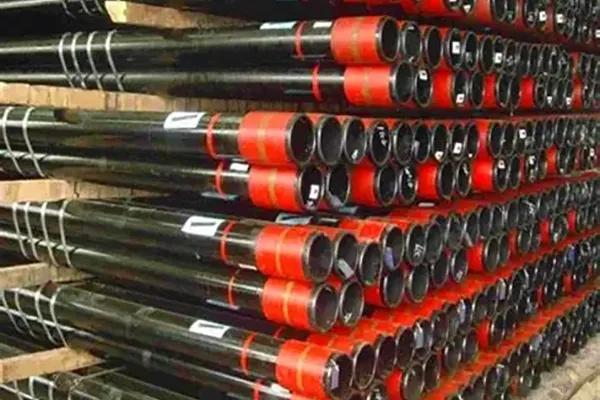
Spiral welded pipe (SSAW) rust removal and anticorrosion process introduction: Rust removal is an important part of the pipeline anticorrosion process. At present, there are many rust removal methods, such as manual rust removal, sand blasting and pickling rust removal, etc. Among them, manual rust removal, mechanical rust removal and painting rust removal (anti-corrosion brushing oil) are relatively common rust removal methods.
1. Manual derusting
Remove the scale and casting sand on the surface of pipes, equipment and containers with a scraper and file, and then use a wire brush to remove floating rust on the surface of pipes, equipment and containers, then polish them with sandpaper, and finally wipe them with cotton silk. net.
2. Mechanical rust removal
First use a scraper or a file to remove the scale and casting sand on the surface of the pipe; then one person is in front of the descaling machine and the other is behind the descaling machine, and the pipe is repeatedly descaled in the descaling machine until the true color of the metal is exposed; Before oiling, wipe it again with cotton silk to remove floating ash on the surface.
3. Anti-corrosion brush oil
Pipelines, equipment and container valves are generally anti-corrosion and oiled according to the design requirements. When there is no design requirement, the following regulations should be followed:
a. Surface-mounted pipelines, equipment and containers must first be painted with one coat of anti-rust paint, and then two coats of top coats should be painted before handover. If there are requirements for heat preservation and anti-condensation, two coats of anti-rust paint should be painted;
b. Paint two coats of anti-rust paint on concealed pipelines, equipment and containers. The second coat of anti-rust paint must be painted after the first coat is completely dry, and the consistency of the anti-rust paint must be appropriate;
3. When the buried pipeline is used as the anti-corrosion layer, if it is constructed in winter, it is advisable to use rubber solvent oil or aviation gasoline to dissolve 30 A or 30 B petroleum asphalt. Two kinds:
① Manual brushing: manual brushing should be applied in layers, and each layer should be reciprocated, criss-crossed, and the coating should be kept uniform without missing or falling;
② Mechanical spraying: The sprayed paint flow should be perpendicular to the painted surface during spraying. When the painted surface is flat, the distance between the nozzle and the painted surface should be 250-350mm. If the painted surface is an arc surface, the distance between the nozzle and the painted surface should be about 400mm. , When spraying, the movement of the nozzle should be uniform, the speed should be kept at 10-18m/min, and the compressed air pressure used for spraying paint should be 0.2-0.4MPa.
Post time: Dec-01-2022s










 English
 Español
 русский язык
 Português












