What are the applications of 42CrMo alloy steel pipe
Date: 2026-02-03
What are the applications of 42CrMo alloy steel pipe
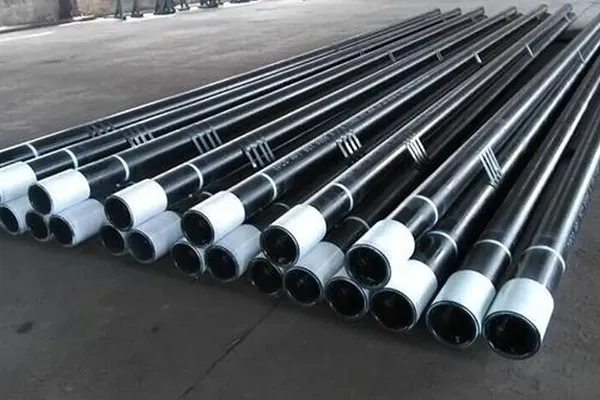
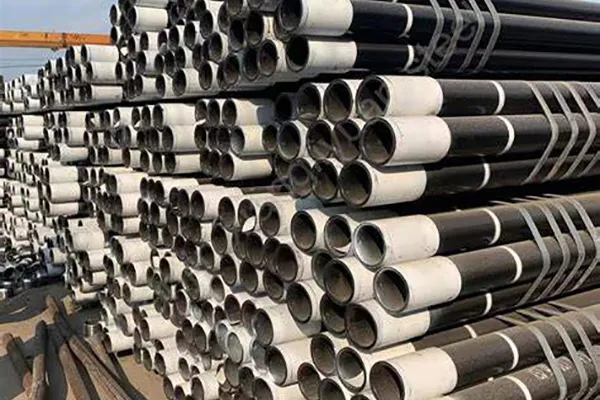
42CrMo alloy steel pipe is a high-strength, high-toughness alloy steel pipe. Due to its excellent mechanical and processing properties, it is widely used in the following fields:
1. Applications of 42CrMo alloy steel pipe in the machinery manufacturing field:
(a) Core components: Used to manufacture high-strength, high-precision mechanical parts such as gears, shafts, connecting rods, bolts, and nuts, capable of withstanding complex alternating stresses and impact loads.
(b) Precision structural parts: Suitable for machine tool spindles, hydraulic cylinders, and other components requiring high dimensional stability and wear resistance.
(c) Mold manufacturing: Used to manufacture large and medium-sized plastic molds and cold work die steels requiring high strength and toughness.
2. Applications of 42CrMo alloy steel pipe in the automotive industry:
(a) Engine components: Used to manufacture key components such as engine crankshafts, connecting rods, camshafts, and half-shafts, improving engine power output and durability.
(b) Transmission system: Suitable for drive shafts, suspension systems, and other parts, ensuring the safety and stability of automobiles.
3. What are the applications of 42CrMo alloy steel pipes in the petrochemical industry?
(a) High-pressure pipelines and valves: Used as high-pressure pipelines and valves in oil drilling and production equipment and chemical machinery, they withstand high pressure, high temperature, and corrosive media.
(b) Drilling equipment: Used to manufacture drill pipe joints and fishing tools for oil wells below 2000 meters, meeting the needs of deep well operations.
4. What are the applications of 42CrMo alloy steel pipes in the energy and engineering fields?
(a) Thermal power generation: Used to manufacture boiler tubes and heating tubes for industrial boilers, withstanding high temperature and high pressure conditions.
(b) Bridge construction: Used as supporting materials and structural components for bridges, ensuring stability and safety.
(c) Wind power equipment: Used for the supporting structure and transmission components of wind power generation equipment, meeting the requirements of lightweight and high strength.
5. What are the applications of 42CrMo alloy steel pipes in the aerospace field?
Key load-bearing components: Used to manufacture components such as aircraft landing gear and engine transmission systems, utilizing their high specific strength to improve equipment reliability.
6. What are the applications of 42CrMo alloy steel pipe in other fields?
Rail Transportation: Used as track and structural support components to ensure transportation safety and efficiency.
Construction Machinery: Suitable for load-bearing structural components of excavators, cranes, and bulldozers, such as booms and slewing bearings.
Mining Machinery: Used to manufacture components such as connecting rods and spring clips subjected to extremely high loads.
What are the performance advantages of 42CrMo alloy steel pipe?
(a) High strength and toughness: After quenching and tempering, the tensile strength is ≥1080MPa, and the yield strength is ≥930MPa, combining high strength and good toughness.
(b) Wear resistance and fatigue resistance: The addition of chromium and molybdenum significantly improves wear resistance and extends service life.
(c) Hardenability and machinability: Good hardenability ensures uniform mechanical properties of large-section parts, making them easy to cut, forge, and weld.
Through optimized chemical composition and heat treatment processes, 42CrMo alloy steel pipe achieves a synergistic improvement in strength, toughness, and machinability, becoming one of the core materials for modern industrial equipment manufacturing.
Post time: Feb-03-2026










 English
 Español
 русский язык
 Português