Company News

Hunan Great Steel Pipe Co., Ltd
hydraulic steel pipe shipment,hydraulic steel pipe project,seamless hydraulic steel pipe,hydraulic tube

How Were Hydraulic Steel Pipes Successfully Delivered for an Industrial Hydraulic System Project

Date: 2026-07-28

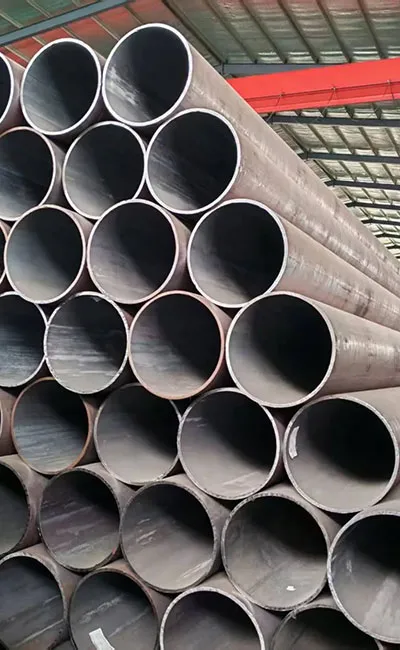
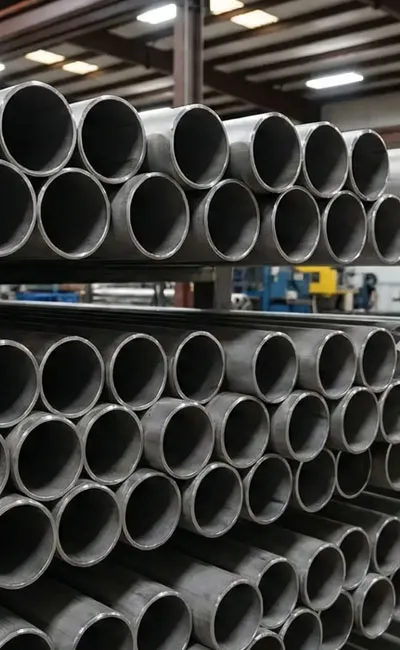
Deliveringhydraulic steel pipesfor industrial equipment requires far more than manufacturing tubes to the correct dimensions. Consistent mechanical properties, clean internal surfaces, reliable inspection records, export-grade packaging, and on-time logistics all contribute to a successful project. Recently,Hunan Great Steel Pipe Co., Ltd.completed the delivery of a batch of cold-drawn seamless hydraulic steel pipes for anindustrial hydraulic system project in Southeast Asia. Designed for hydraulic power units and fluid transmission systems, the pipes were manufactured, inspected, and packed according to the customer's technical requirements, helping support efficient installation and dependable long-term operation.


Project Overview

The customer is an OEM specializing in hydraulic equipment for factory automation and material-handling systems. Their production lines require precision hydraulic tubing with stable dimensions, consistent mechanical properties, and high internal cleanliness to ensure reliable assembly and continuous operation. Before production, our engineering team reviewed the operating pressure, installation requirements, and inspection specifications with the customer. Confirming these details in advance helped ensure that the delivered tubes could be installed directly without additional machining or rework.

Project Challenges

Like many hydraulic equipment manufacturers, the customer faced several practical challenges:
  • Maintaining consistent dimensional accuracy across multiple production batches.
  • Preventing internal contamination that could damage hydraulic valves and pumps.
  • Coordinating production and shipment with a fixed manufacturing schedule.

To address these requirements, raw materials, production processes, inspection procedures, and export packaging were all planned before manufacturing began.


Hydraulic Steel Pipe Specifications

Item

Specification

Product

Hydraulic Steel Pipe

Manufacturing Process

Cold Drawn Seamless

Material

E355

Standard

EN 10305-1

Outside Diameter

60.3 mm

Wall Thickness

6.3 mm

Length

6,000 mm

Surface Protection

Anti-rust oil (internal & external)

End Finish

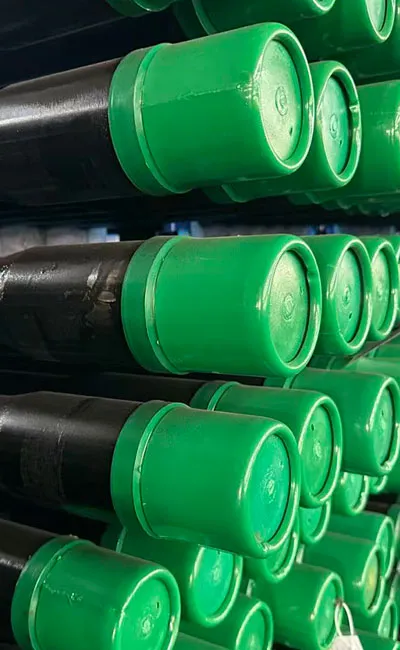
Plain Ends with Plastic Caps

Inspection Standard

EN 10305-1 + EN 10204 3.1

E355 was selected because it provides an excellent balance of strength, toughness, and weldability for medium- and high-pressure hydraulic systems. The cold-drawn seamless manufacturing process also helps achieve the dimensional consistency required for precision hydraulic applications.


Quality Inspection Before Shipment

Quality assurance was integrated throughout production rather than limited to the final inspection. Incoming raw materials were verified against Mill Test Certificates (MTC) before production. During manufacturing, technicians monitored dimensional consistency to maintain compliance with EN 10305-1 requirements. Before shipment, every production batch underwent comprehensive inspection.

Inspection Item

Result

Material Verification

Passed

Dimensional Inspection

Passed

Straightness Check

Passed

Surface Cleanliness

Passed

Visual Inspection

Passed

Packaging Inspection

Passed

Supporting documents, including EN 10204 3.1 material certificates and dimensional inspection reports, were prepared together with the shipment to provide complete product traceability.

Export Packaging Designed for International Transport

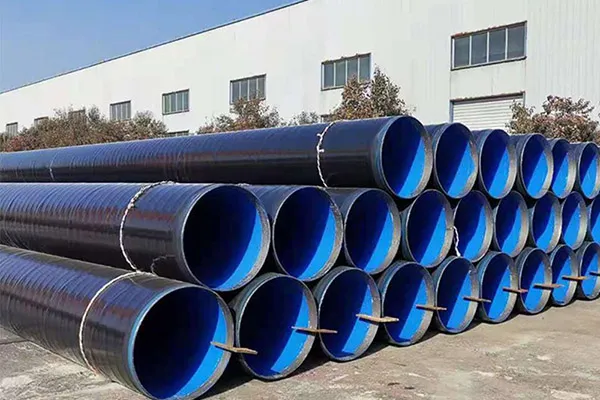
Proper packaging plays an important role in protecting hydraulic steel pipes during overseas transportation. Each tube received internal and external anti-rust protection before plastic end caps were installed to prevent contamination. The pipes were then wrapped with moisture-resistant PE film, securely bundled with steel straps, and clearly labeled with product specifications and heat numbers. This packaging method helps reduce the risk of corrosion, impact damage, and contamination throughout ocean transportation and storage.

A Practical Industry Example

A hydraulic press manufacturer previously experienced assembly delays because hydraulic tubes from different suppliers showed inconsistent dimensional accuracy. Additional machining was required before installation, increasing production time and labor costs. After switching to cold-drawn seamless hydraulic steel pipes supplied with verified dimensional inspection reports and complete material traceability, the manufacturer significantly reduced fitting adjustments and improved assembly efficiency. Although every project is different, this example demonstrates how consistent product quality can simplify downstream manufacturing.

What Buyers Should Verify Before Shipment

Before accepting a hydraulic steel pipe shipment, buyers should confirm that the supplier provides:
  • EN 10204 3.1 Mill Test Certificate.
  • Dimensional inspection report.
  • Heat number traceability.
  • Surface cleanliness verification.
  • Export-grade corrosion protection.
  • Complete packing list and shipping marks.
  • Third-party inspection support when required.
Reviewing these documents before shipment helps reduce installation risks and supports smoother project execution.

FAQ

Q1: Why is internal cleanliness important?
A1: Hydraulic systems are highly sensitive to contamination. Even small metal particles left inside a tube can shorten the service life of pumps, valves, and seals. Proper cleaning before packaging helps reduce this risk.
Q2: Are seamless hydraulic steel pipes better than welded tubes?
A2: For high-pressure hydraulic systems, seamless tubes are generally preferred because they provide uniform wall thickness and excellent fatigue resistance. Precision welded tubes may also be suitable for certain medium-pressure applications.
Q3: What inspection documents are typically supplied?
A3: Most export orders include EN 10204 3.1 Mill Test Certificates, dimensional inspection reports, and packing documentation. Third-party inspection reports can also be arranged when required.

Conclusion

A successful hydraulic steel pipe delivery depends on much more than meeting dimensional specifications. Material verification, precision manufacturing, comprehensive inspection, clean internal surfaces, protective export packaging, and reliable logistics all contribute to dependable hydraulic system performance. For industrial hydraulic projects, selecting a supplier that offers full traceability, documented quality control, and application-based technical support can help reduce procurement risks, improve installation efficiency, and support long-term equipment reliability. Before placing your next order, evaluate not only the product itself but also the manufacturing and delivery processes behind it.

Latest news list

Find what you need ?

close
We use cookies and other tracking technologies to improve your browsing experience on our website, to show you personalized content and targeted ads, to analyze our website traffic, and to understand where our visitors are coming from.