What new applications are opening up for industrial stainless steel pipes
Date: 2025-11-07
What new applications are opening up for industrial stainless steel pipes
Stainless steel pipes are gradually replacing traditional pipe materials in building water supply and drainage systems. In the past, cast iron pipes and galvanized steel pipes were common choices, but they were prone to rust and corrosion, which not only affected water quality but also shortened the pipes’ service life. Stainless steel pipes, on the other hand, offer excellent corrosion resistance, effectively resisting the erosion of various chemicals in water, ensuring clean and hygienic water quality. Stainless steel pipes are increasingly used in the construction of high-end residential and commercial buildings, as well as large public facilities. For example, in hotel water supply systems, the use of stainless steel pipes prevents rust and odor from forming on the inner walls, providing guests with a superior water experience. Furthermore, stainless steel pipes are strong and can withstand high pressure, making them less susceptible to rupture and leakage, ensuring the safe and stable operation of building water supply and drainage systems.
The food industry also relies on stainless steel pipes. Food production places extremely high demands on hygiene and safety. Stainless steel pipes, due to their non-toxic, odorless, and bacterial-resistant properties, are an ideal choice for transporting food ingredients, liquids, and gases. For example, in dairy production, stainless steel pipes run the entire production process, from the transportation of raw milk to the bottling process after sterilization, ensuring that the milk remains uncontaminated and retains its original nutritional content and taste. In the beverage industry, whether producing carbonated beverages, juices, or teas, stainless steel pipes ensure consistent quality during the transportation process, preventing odor or deterioration caused by pipe material defects. Furthermore, stainless steel pipes are easy to clean and disinfect, meeting food industry hygiene standards and effectively reducing food safety risks.
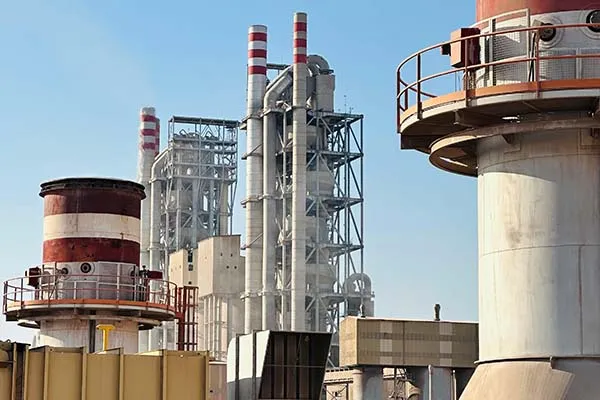
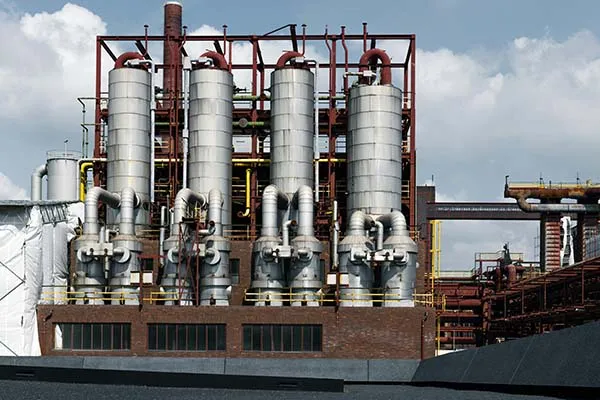
The chemical industry is also a key application area for stainless steel pipes. In chemical production, many media are corrosive, high-temperature, and high-pressure, placing extremely stringent demands on steel pipe materials. Stainless steel pipes offer excellent corrosion resistance, withstanding the attack of a wide range of corrosive chemicals, including strong acids and alkalis. In the petrochemical industry, stainless steel pipes are used to transport crude oil, natural gas, and various chemical raw materials and products, such as various oil products in the oil refining process and reaction media in chemical synthesis. Even in harsh operating environments, stainless steel pipes maintain stable performance, reducing leaks caused by corrosion and improving the safety of chemical production. Furthermore, it can operate normally under high-temperature and high-pressure conditions, meeting the specialized demands of chemical production processes.
Stainless steel pipes also have unique applications in the medical field. They play a vital role in hospital oxygen supply systems, vacuum suction systems, and the delivery of certain medical gases. Their excellent sealing and hygienic properties ensure the purity and safe delivery of medical gases, providing reliable support for patient treatment and recovery.
Stainless steel pipes, with their corrosion resistance, high strength, and hygienic and environmentally friendly properties, have opened up new applications in the construction, food, chemical, and medical fields. With continuous technological innovation and development, we believe that stainless steel pipes will find even more new applications in the future, providing even stronger support for the development of various industries.
Post time: Nov-07-2025










 English
 Español
 русский язык
 Português