Product News

Hunan Great Steel Pipe Co., Ltd
3PE anti corrosion steel pipe,3PE coated steel pipe,3PE coating process,anti corrosion steel pipe

How Is 3PE Anti Corrosion Steel Pipe Manufactured

Date: 2026-09-14
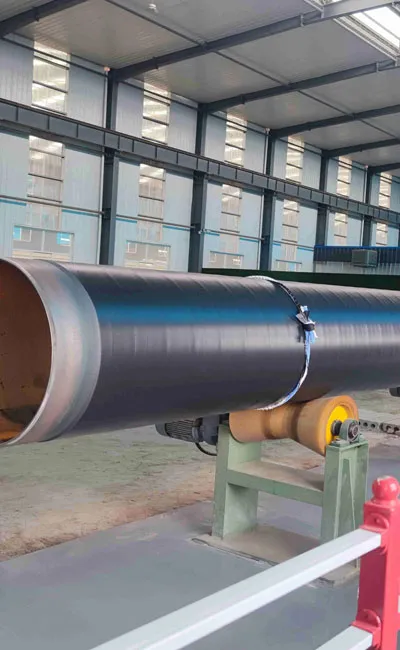
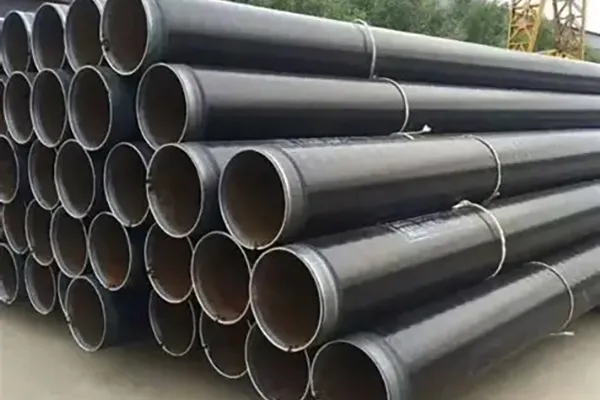
3PE anti corrosion steel pipe is widely used for buried pipelines, water transmission, oil and gas transportation, and infrastructure projects where steel pipes are exposed to moisture, soil, salts, and other external corrosion risks. A 3PE coating is more than a polyethylene outer layer. Its performance depends on the condition of the steel surface, the fusion-bonded epoxy (FBE) primer, the adhesive layer, the polyethylene outer layer, and the inspection performed throughout production. Understanding the manufacturing process helps engineers and buyers evaluate 3PE coated steel pipe before placing an order.

What Is 3PE Anti Corrosion Steel Pipe?

3PE means three-layer polyethylene coating. A typical 3PE system consists of:
1. Fusion-bonded epoxy (FBE) primer
2. Adhesive layer
3. Polyethylene (PE) outer layer

Each layer performs a different function. The FBE layer provides corrosion protection and adhesion to the steel surface. The adhesive layer bonds the epoxy to the polyethylene. The PE outer layer provides a durable barrier against moisture, soil contact, impact, and handling damage. For pipeline applications, the coating system is normally selected according to the applicable standard, project specification, pipe service conditions, and required coating class. ISO 21809-1, for example, specifies requirements for plant-applied three-layer PE and PP coatings on welded and seamless steel pipes used in petroleum and natural gas pipeline transportation systems.


How Is the Steel Pipe Surface Prepared?

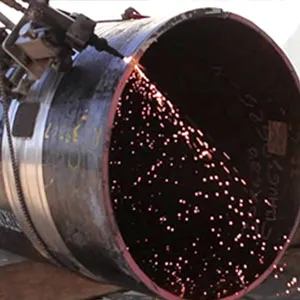
Surface preparation is the foundation of the coating process. Before coating, the pipe surface is checked and cleaned to remove rust, mill scale, oil, dust, and other contaminants that could affect adhesion. Abrasive blasting is commonly used to achieve the specified surface cleanliness and surface profile. The required cleanliness level and surface profile should be controlled according to the coating specification and project requirements. A well-controlled coating process cannot compensate for poor surface preparation. For this reason, surface condition should be verified before the pipe moves to the coating stage.

How Are the Three Coating Layers Applied?

After surface preparation, the pipe is heated as required by the coating system and enters the FBE application stage.
1. Fusion-Bonded Epoxy: FBE powder is applied to the heated steel surface. The powder melts and cures to form a continuous epoxy coating. Temperature control, coating thickness, curing condition, and adhesion are important during this stage. The exact production parameters depend on the FBE material and approved coating procedure.
2. Adhesive Layer: The adhesive layer is applied over the FBE layer to create a strong bond between the epoxy and polyethylene. This interface is critical because the three materials must function as one integrated coating system. The adhesive should remain continuous and provide the required bonding performance.
3. Polyethylene Outer Layer: The polyethylene layer forms the outer protective barrier. It helps protect the underlying coating from moisture, soil stresses, impact, abrasion, and damage during handling and installation. The PE layer must be applied continuously and meet the required coating thickness and performance requirements. After application, the coated pipe is cooled to a condition suitable for finishing and final inspection.


How Is 3PE Coating Quality Inspected?

Quality control should cover the complete production process rather than rely only on the final appearance of the pipe. Depending on the project specification, inspection may include:
  • Steel pipe dimensional and surface inspection
  • Surface preparation inspection
  • Coating thickness measurement
  • Visual inspection
  • FBE curing or related performance checks
  • Adhesion or peel testing
  • Holiday detection
  • Impact or indentation testing
  • Coating continuity inspection
  • Final pipe marking and traceability
Holiday detection is particularly important because it can identify discontinuities or pinholes that are not necessarily visible during visual inspection. ISO 21809-1 includes continuity, coating thickness, peel strength, impact resistance, indentation, and other coating performance requirements within its inspection framework. Defects identified during inspection should be repaired according to the approved procedure and re-inspected before shipment.

Why Does Manufacturing Control Matter?

For buried or submerged pipelines, coating defects can become difficult and costly to repair after installation. A reliable manufacturing sequence therefore follows a controlled chain: Steel pipe inspection → surface preparation → FBE → adhesive → polyethylene → cooling → inspection → repair and re-inspection → final protection → shipment. At Hunan Great Steel Pipe, 3PE coating quality is controlled throughout the production process according to the applicable product and project requirements. Our steel pipe products are supplied to customers in more than 80 countries, supporting international pipeline and infrastructure projects. For buyers, evaluating the complete coating process is more useful than judging quality from the outer appearance alone.

What Should Buyers Check Before Ordering 3PE Steel Pipe?

Before placing an order, buyers should confirm the steel pipe specification, coating standard, coating class or thickness, pipe dimensions, test requirements, inspection arrangements, pipe-end cutback requirements, marking, documentation, and packaging. The coating specification should match the actual operating environment and project requirements rather than being selected only by price.


FAQ

Q1: What does 3PE stand for?
A1: 3PE stands for three-layer polyethylene coating. It normally consists of an FBE primer, an adhesive layer, and a polyethylene outer layer.
Q2: Why is surface preparation important for 3PE coating?
A2: Surface preparation removes contaminants and creates the required surface condition for coating adhesion. Poor surface preparation can reduce coating performance even when the outer PE layer appears acceptable.
Q3: What is the function of the FBE layer?
A3: The fusion-bonded epoxy layer provides corrosion protection and strong adhesion to the prepared steel surface. It forms the first protective layer of the 3PE system.
Q4: How is 3PE coating inspected?
A4: Inspection may include surface condition checks, coating thickness measurement, visual inspection, adhesion or peel testing, holiday detection, impact testing, and other tests specified by the applicable standard and project requirements.
Q5: Where is 3PE anti corrosion steel pipe used?
A5: 3PE coated steel pipe is commonly used in buried or submerged pipeline systems, including oil and gas transportation, water transmission, and infrastructure projects where external corrosion protection is required.
Q6: What should buyers specify when ordering 3PE coated steel pipe?
A6: Buyers should specify the pipe material and dimensions, applicable coating standard, coating requirements, inspection and testing requirements, pipe-end treatment, marking, documentation, packaging, and other project-specific requirements.

Latest news list

  • stainless seamless steel pipe stock,stainless seamless steel pipe supplier,stainless steel pipe procurement
    When an industrial project is already underway,waiting for a full production cycle is not always practical,Maintenance shutdowns,replacement requirements,construction delays,and additional project quantities can create an immediate need for stainless seamless steel pipe,In these situations,available stock can provide a shorter procurement route—provided the material matches the project specification,For urgent orders,speed matters,but specification,traceability,inspection,and delivery control should not be overlooked,
  • stainless seamless steel pipe shipment,stainless seamless steel pipe delivery,stainless steel pipe export
    For an international stainless seamless steel pipe order,manufacturing is only one part of successful project execution,The supplier must also ensure that the specified material is inspected,traceable,documented,properly packaged,and released for shipment,For EPC contractors,project owners,distributors,and engineering companies,these steps can directly affect project schedules and receiving inspections,A well-managed shipment creates a clear connection between the purchase specification and the physical cargo delivered to the project,
  • stainless seamless steel pipe problems,stainless seamless pipe failure,stainless steel pipe corrosion
    Stainless seamless steel pipe is widely used in industrial piping because it can provide corrosion resistance and reliable mechanical performance when the material is correctly selected for the service conditions,However,seamless construction does not eliminate every piping risk,Corrosion,wall-thickness loss,connection leakage,thermal movement,mechanical damage,and material mix-ups can still affect system reliability,Understanding the common problems—and how they develop—helps engineers and maintenance teams prevent avoidable failures,
  • stainless seamless steel pipe buying guide,stainless seamless steel pipe procurement,stainless seamless pipe supplier
    Buying stainless seamless steel pipe for an overseas project requires more than comparing prices per ton,For EPC contractors,project owners,engineering companies,distributors,and international traders,the purchase also involves material selection,technical compliance,inspection,traceability,packaging,shipping,and delivery control,The most effective approach is to define the technical requirements first and then compare suppliers against the same specification,
  • stainless seamless steel pipe maintenance,stainless seamless pipe inspection,stainless steel pipe corrosion
    Stainless seamless steel pipe is often selected for its corrosion resistance and long service potential,but it still requires proper maintenance after installation,Maintenance is not simply about replacing pipe when damage appears,A better approach is to monitor the pipe,control avoidable risks,and identify changes before they develop into leakage,wall loss,or more serious system problems,

Find what you need ?

close
We use cookies and other tracking technologies to improve your browsing experience on our website, to show you personalized content and targeted ads, to analyze our website traffic, and to understand where our visitors are coming from.