Industry News

Hunan Great Steel Pipe Co., Ltd
3PE anti corrosion steel pipe,3PE coated steel pipe,3PE coating,3PE steel pipe application

Why Is 3PE Anti Corrosion Steel Pipe Used for Buried Pipelines

Date: 2026-09-14
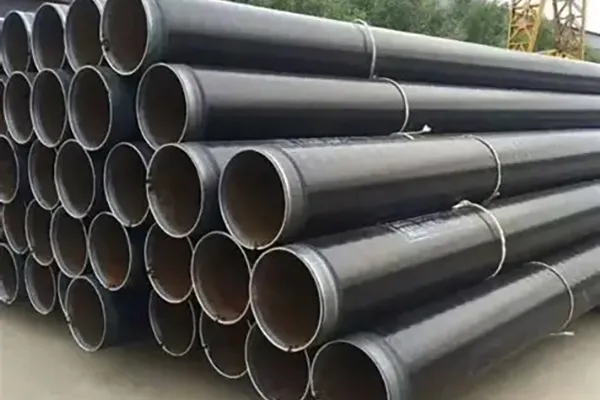
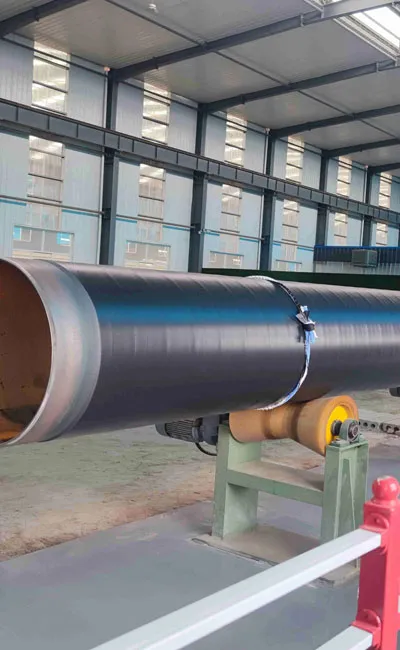
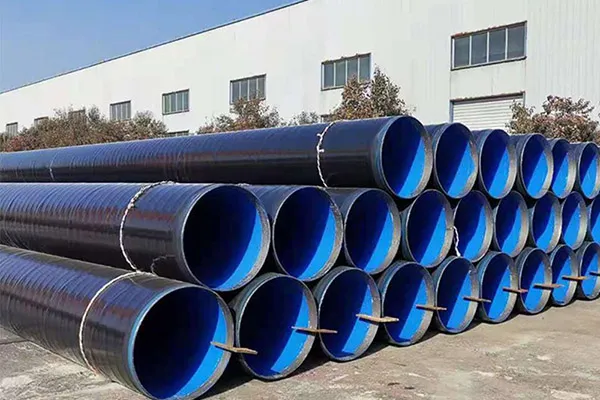
Buried steel pipelines operate in an environment that is difficult to control. After installation, the pipe may remain in contact with soil, moisture, groundwater, salts, and other external conditions for many years. Without suitable external corrosion protection, the exposed steel surface can gradually deteriorate. This is why 3PE anti corrosion steel pipe is widely considered for buried pipeline systems. Its three-layer external coating creates a protective barrier between the steel surface and the surrounding environment while also providing additional mechanical protection during handling and installation.

What Makes Buried Pipelines Different?

Buried pipelines do not experience one uniform environment along their entire route. Soil composition, moisture, drainage, temperature, chloride levels, and groundwater conditions can vary from one location to another. The pipe may also be exposed to mechanical stress during transportation, trenching, lowering, backfilling, and installation. For this reason, external corrosion protection needs to be considered together with the actual pipeline environment and installation conditions.

How Does the 3PE Coating Protect the Pipe?

A typical 3PE system combines three functional layers:
  • Fusion-bonded epoxy (FBE): Provides corrosion protection and adhesion to the prepared steel surface.
  • Adhesive layer: Bonds the epoxy layer to the polyethylene outer layer.
  • Polyethylene (PE): Provides additional mechanical and environmental protection.

The three layers work as a coating system rather than as three independent barriers. ISO 21809-1:2018 specifies requirements for plant-applied three-layer polyethylene and polypropylene coatings used for corrosion protection of welded and seamless steel pipes in relevant pipeline transportation systems.


Why Does Coating Quality Matter Underground?

Once a pipeline is buried, direct access to the external coating becomes difficult. That makes quality control before installation particularly important. Depending on the project specification, inspection may include:
  • Coating thickness
  • Visual condition
  • Coating continuity
  • Holiday detection
  • Adhesion
  • Pipe dimensions
  • Repair and re-inspection records
The objective is to identify coating defects before the pipe is lowered into the trench.

Can Transportation and Installation Damage the Coating?

Yes. A properly manufactured coating can still be damaged during handling. Dragging pipe across rough surfaces, unsuitable lifting methods, sharp contact points, impact, poor stacking, and rough trench operations can affect coating integrity. This is why coating protection should continue beyond the factory. Lifting equipment, separators, loading arrangements, and installation procedures should be selected according to the coated pipe and project requirements.

Why Are Field Joints Important?

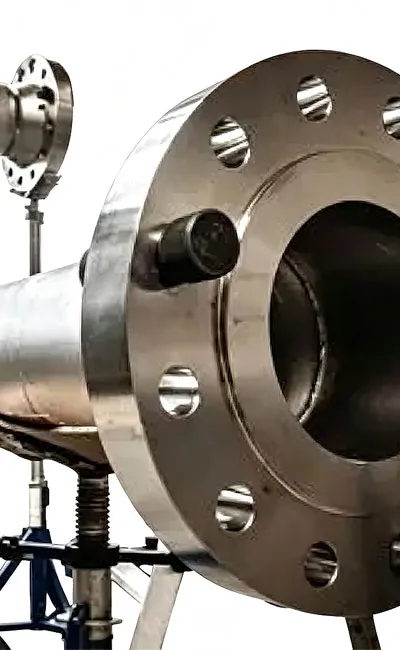
Factory-applied 3PE coating does not normally protect the areas left bare for welding. After two pipe sections are joined in the field, the exposed steel around the weld requires a suitable field joint coating system. This creates an important distinction: Factory-applied 3PE coating protects the pipe body, while field joint coating protects the areas affected by field welding. ISO 21809-3 addresses qualification, application, and testing requirements for field joint coatings on buried and submerged pipeline sections. For a complete corrosion-control strategy, factory coating and field joint protection should therefore be considered together.

Is Cathodic Protection Also Required?

Not every buried pipeline has exactly the same corrosion-control design. Depending on the pipeline engineering requirements, external coating may be used together with cathodic protection. The coating reduces the area of exposed steel, while cathodic protection can provide additional protection at coating discontinuities or other exposed areas. ISO 21809-1 specifically notes that pipes coated under its requirements are considered suitable for further protection by cathodic protection. The final corrosion-control system should be determined by the pipeline design, operating environment, applicable standards, and project specification.

What Should Be Checked Before Backfilling?

Before a coated pipe is lowered into the trench and backfilled, the coating should be inspected according to the approved installation procedure. Any identified damage should be evaluated and repaired before burial. This is an important practical point: a coating defect is easier to inspect and repair before backfilling than after the pipeline is buried.

How Should Buyers Select 3PE Pipe for a Buried Pipeline?

Selection should consider the complete application rather than coating alone. Key factors include:
  • Soil and groundwater conditions
  • Pipeline operating conditions
  • Steel pipe grade and dimensions
  • Applicable coating specification
  • Coating inspection requirements
  • Installation method
  • Field joint coating
  • Cathodic protection requirements
  • Transportation and handling conditions

At Hunan Great Steel Pipe, 3PE steel pipe requirements can be coordinated around pipe specifications, coating requirements, inspection, documentation, and project delivery conditions. Our steel pipe products are supplied to customers in more than 80 countries, supporting international buyers across different pipeline applications.

FAQ

Q1: Why is 3PE anti corrosion steel pipe suitable for buried pipelines?
A1: 3PE combines an FBE layer, adhesive layer, and polyethylene outer layer to provide corrosion protection and mechanical protection for the pipe surface in demanding external environments.
Q2: Can 3PE completely prevent pipeline corrosion?
A2: No coating should be treated as an absolute guarantee against corrosion. Long-term performance also depends on coating quality, installation, field joint protection, operating conditions, inspection, and the overall corrosion-control system.
Q3: Does buried 3PE steel pipe need cathodic protection?
A3: It depends on the pipeline design and project requirements. Coating can be used together with cathodic protection as part of an overall external corrosion-control strategy.
Q4: Does factory 3PE coating protect field weld joints?
A4: No. Areas left bare for field welding require a separate field joint coating system according to the applicable project requirements.
Q5: What should be checked before burying 3PE coated pipe?
A5: The coating should be checked for visible damage and other defects specified by the project inspection procedure. Any required repair should be completed before backfilling.
Q6: What factors affect the selection of 3PE steel pipe for buried pipelines?
A6: Important factors include soil conditions, groundwater, operating environment, pipe specification, coating requirements, installation method, field joint protection, inspection, and the overall corrosion-control design.

Latest news list

  • 3PE anti corrosion steel pipe,3PE coated steel pipe,3PE coating process,anti corrosion steel pipe
    3PE anti corrosion steel pipe is widely used for buried pipelines,water transmission,oil and gas transportation,and infrastructure projects where steel pipes are exposed to moisture,soil,salts,and other external corrosion risks,A 3PE coating is more than a polyethylene outer layer,Its performance depends on the condition of the steel surface,the fusion-bonded epoxy (FBE) primer,the adhesive layer,the polyethylene outer layer,and the inspection performed throughout production,Understanding the manufacturing process helps engineers and buyers evaluate 3PE coated steel pipe before placing an order,
  • stainless seamless steel pipe stock,stainless seamless steel pipe supplier,stainless steel pipe procurement
    When an industrial project is already underway,waiting for a full production cycle is not always practical,Maintenance shutdowns,replacement requirements,construction delays,and additional project quantities can create an immediate need for stainless seamless steel pipe,In these situations,available stock can provide a shorter procurement route—provided the material matches the project specification,For urgent orders,speed matters,but specification,traceability,inspection,and delivery control should not be overlooked,
  • stainless seamless steel pipe shipment,stainless seamless steel pipe delivery,stainless steel pipe export
    For an international stainless seamless steel pipe order,manufacturing is only one part of successful project execution,The supplier must also ensure that the specified material is inspected,traceable,documented,properly packaged,and released for shipment,For EPC contractors,project owners,distributors,and engineering companies,these steps can directly affect project schedules and receiving inspections,A well-managed shipment creates a clear connection between the purchase specification and the physical cargo delivered to the project,
  • stainless seamless steel pipe problems,stainless seamless pipe failure,stainless steel pipe corrosion
    Stainless seamless steel pipe is widely used in industrial piping because it can provide corrosion resistance and reliable mechanical performance when the material is correctly selected for the service conditions,However,seamless construction does not eliminate every piping risk,Corrosion,wall-thickness loss,connection leakage,thermal movement,mechanical damage,and material mix-ups can still affect system reliability,Understanding the common problems—and how they develop—helps engineers and maintenance teams prevent avoidable failures,
  • stainless seamless steel pipe buying guide,stainless seamless steel pipe procurement,stainless seamless pipe supplier
    Buying stainless seamless steel pipe for an overseas project requires more than comparing prices per ton,For EPC contractors,project owners,engineering companies,distributors,and international traders,the purchase also involves material selection,technical compliance,inspection,traceability,packaging,shipping,and delivery control,The most effective approach is to define the technical requirements first and then compare suppliers against the same specification,

Find what you need ?

close
We use cookies and other tracking technologies to improve your browsing experience on our website, to show you personalized content and targeted ads, to analyze our website traffic, and to understand where our visitors are coming from.