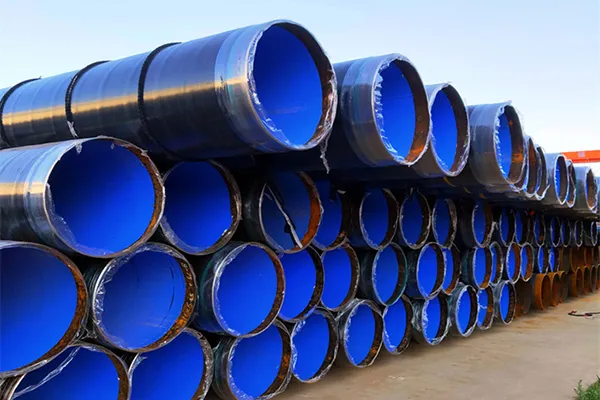
6. Carry Out Visual Inspection
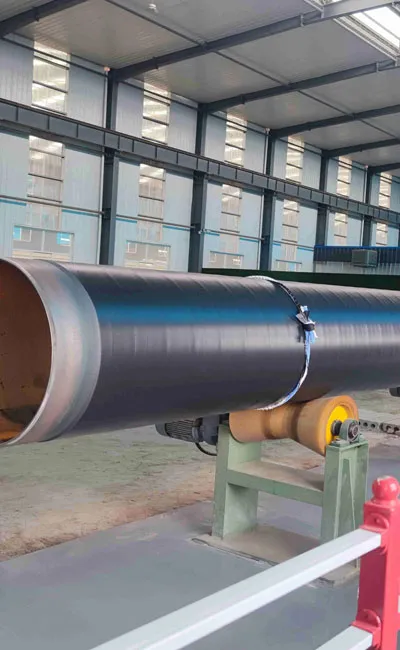
Instrument testing does not replace visual inspection. Inspectors should check the finished coating for:
-
Uneven or damaged areas
-
Wrinkles
-
Blisters
-
Peeling
-
Exposed steel
-
Surface defects
-
Handling damage
-
Pipe-end condition
Visual inspection is also useful after transportation or handling before the pipe is released for shipment.
7. Inspect Pipe Ends and Coating Cutback
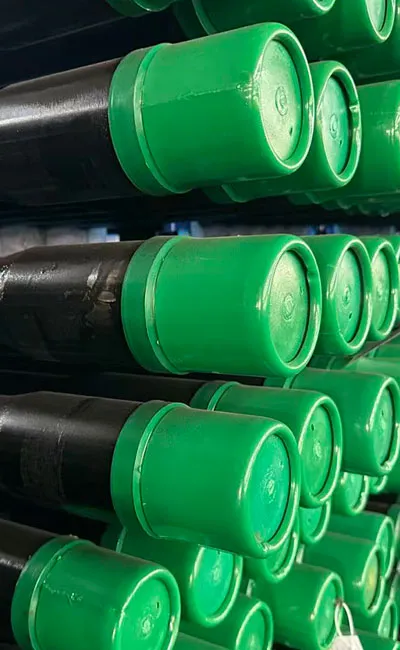
Pipe ends require particular attention because they are normally prepared for field welding and subsequent field-joint coating. The specified coating cutback length, bevel condition, and transition between coated and uncoated areas should therefore be checked. The requirements should follow the project specification and the applicable coating standard. ISO 21809-1 specifically addresses cutback as part of the coating application requirements.
8. Repair Defects and Re-Inspect
Quality control does not end when a defect is found. Any coating defect identified during inspection should be repaired according to an approved repair procedure. The repaired area should then be re-inspected to confirm that it meets the acceptance requirements. This creates a practical control loop: Inspection → Defect Identification → Repair → Re-inspection → Acceptance. This process is particularly important for project orders where coating performance must be demonstrated through documented inspection results.
9. Maintain Inspection Documentation
For international projects, documentation provides evidence that the specified quality requirements have been followed. Depending on the project, the documentation package may include:
-
Coating inspection reports
-
Thickness records
-
Holiday test records
-
Peel or adhesion test results
-
Material certificates
-
Dimensional inspection reports
-
Repair records
-
Certificate of conformity
The exact inspection and documentation requirements should be agreed before production. ISO 21809-1 also addresses test reports and certificates of compliance.
Instead of asking only whether a pipe is “3PE coated,” buyers should ask:
-
Which coating specification applies?
-
How is surface preparation controlled?
-
How is coating thickness verified?
-
Is holiday detection performed?
-
How is adhesion or peel strength checked?
-
How are coating defects repaired and re-tested?
-
What inspection records are supplied with the shipment?
These questions provide more useful evidence of coating quality than visual appearance alone. At Hunan Great Steel Pipe, quality control is treated as part of the complete supply process, from steel pipe inspection and coating requirements to final inspection and shipment documentation. Our steel pipe products are supplied to customers in more than 80 countries, supporting international pipeline and infrastructure projects.
FAQ
Q1: What is checked before 3PE coating?
A1: The steel pipe may be checked for grade, outside diameter, wall thickness, length, surface condition, straightness, and pipe-end condition before entering the coating process.
Q2: Why is surface preparation important for 3PE coating?
A2: Proper surface preparation removes contaminants and creates the required condition for coating adhesion. Poor preparation can reduce the performance of the complete coating system.
Q3: How is 3PE coating thickness inspected?
A3: Depending on the project specification, inspection may include measurements of individual coating layers or the total coating thickness using the specified inspection method.
Q4: What is holiday detection?
A4: Holiday detection is an electrical inspection used to identify discontinuities in the coating that may not be visible during visual inspection.
Q5: How is 3PE coating adhesion tested?
A5: Peel strength or other specified adhesion-related tests may be used to evaluate the bonding performance of the coating system. The applicable standard and project specification determine the test method and acceptance criteria.
Q6: Why are pipe ends inspected?
A6: Pipe ends are prepared for welding and field-joint coating. Correct cutback length, bevel condition, and end protection help ensure that the coated pipe can be properly handled and installed on site.
Q7: What documents should buyers request?
A7: Depending on the project, buyers may request coating inspection reports, thickness records, holiday test results, adhesion or peel test results, material certificates, repair records, dimensional inspection reports, and certificates of conformity.












 English
 Español
 русский язык
 Português