Industry News

Hunan Great Steel Pipe Co., Ltd
3PE anti corrosion steel pipe,3PE coated steel pipe,pipeline corrosion protection,3PE coating layer

How Can 3PE Anti Corrosion Steel Pipe Protect Pipelines in Corrosive Environments

Date: 2026-09-15
External corrosion is an important consideration for steel pipelines exposed to soil, moisture, salts, groundwater, and other aggressive conditions. For long-distance and buried pipelines, corrosion protection should not be treated as a maintenance issue alone. It needs to be considered from pipeline design and procurement through coating application, installation, and operation. 3PE anti corrosion steel pipe provides a multilayer external barrier that helps reduce the steel surface's exposure to the surrounding environment. However, its effectiveness depends on coating quality, installation practices, field joint protection, and the overall corrosion-control strategy.

How Should the External Corrosion Risk Be Assessed?

Before selecting an external coating system, engineers should understand the conditions surrounding the pipeline. Important factors may include:
  • Soil moisture and drainage
  • Soil resistivity
  • Chloride and salt exposure
  • Groundwater
  • Operating temperature
  • Chemical contamination
  • Burial conditions
  • Pipeline location and installation environment
Conditions can vary significantly along a pipeline route. The coating system should therefore be selected according to the actual project requirements rather than simply choosing a commonly used coating.

How Does 3PE Reduce External Corrosion Risk?

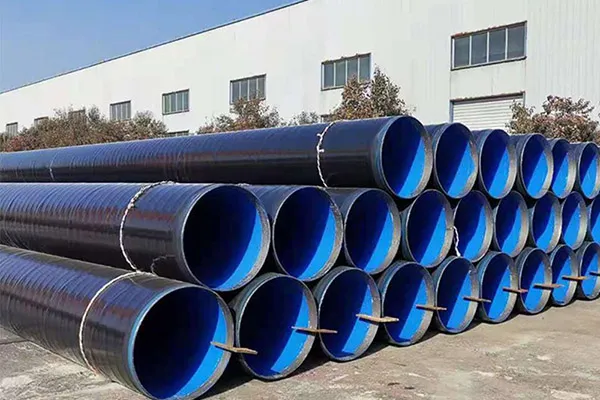
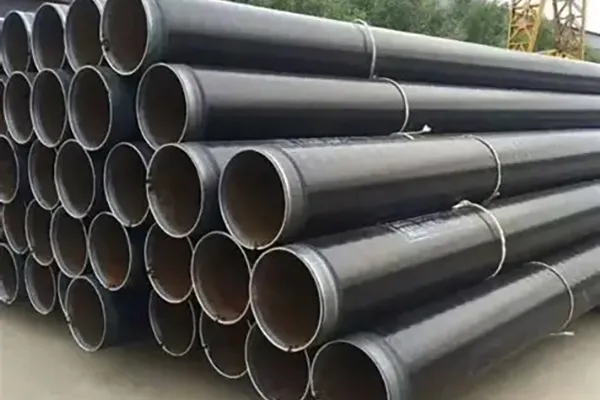
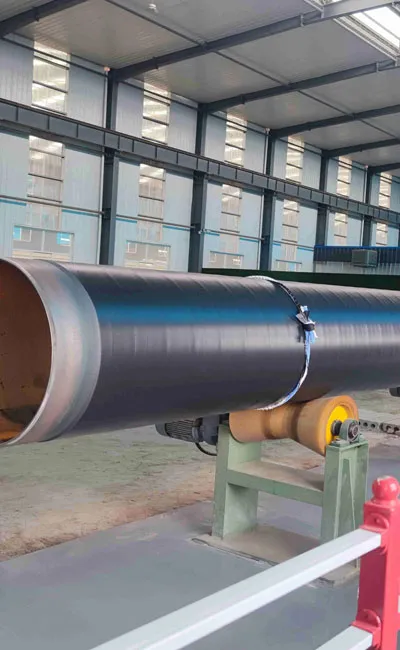
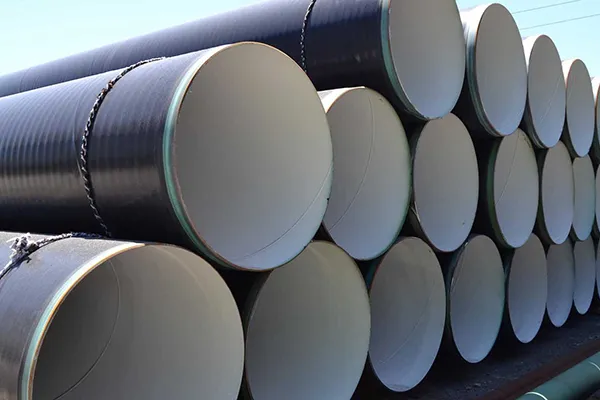
The purpose of an external coating is to reduce direct contact between the steel surface and its surrounding environment. A typical 3PE system combines three functional layers:
  • Fusion-bonded epoxy (FBE): Provides corrosion protection and adhesion to the prepared steel surface.
  • Adhesive layer: Bonds the epoxy layer to the polyethylene.
  • Polyethylene outer layer: Provides additional mechanical and environmental protection.

ISO 21809-1:2018 specifies requirements for plant-applied three-layer polyethylene and polypropylene coatings for corrosion protection of welded and seamless steel pipes used in relevant pipeline transportation systems. The standard is currently under revision, so project specifications should identify the applicable requirements and edition.


Why Are Coating Defects a Concern?

A coating can only provide effective external protection when its integrity is maintained. Pinholes, scratches, impact damage, poor adhesion, or other discontinuities may expose the steel surface to the surrounding environment. This is why inspection before installation is important. Depending on the project requirements, quality control may include coating thickness measurement, visual inspection, holiday detection, adhesion testing, and repair verification. The objective is not simply to confirm that a coating has been applied, but to verify that it meets the specified performance and quality requirements before installation.

Can Transportation and Handling Affect Corrosion Protection?

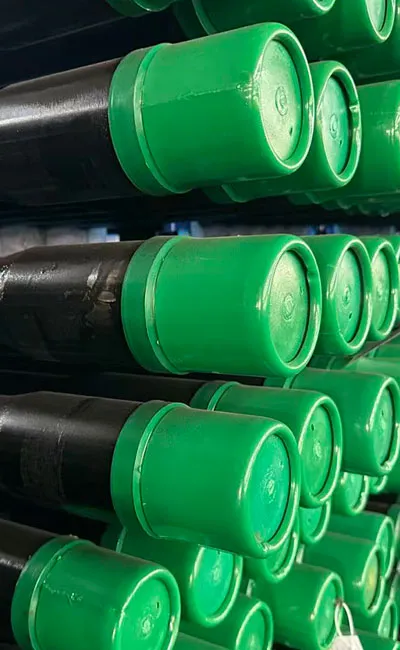
Yes. Corrosion protection does not stop at the coating production line. Improper lifting, dragging, stacking, loading, or unloading can damage the coating even when the original coating quality is satisfactory. For this reason, coated pipe should be handled using procedures and equipment appropriate for the coating system. Protective materials, suitable lifting methods, and controlled loading arrangements can help reduce mechanical damage. Any significant coating damage identified before installation should be evaluated and repaired according to the approved project procedure.

Why Is Field Joint Protection Essential?

Pipeline welding creates areas where the factory-applied coating is absent or has been removed to allow joining. These exposed areas require a suitable field joint coating system after welding. Factory-applied 3PE and field joint coating should therefore be considered as connected parts of the external corrosion protection strategy. ISO 21809-3 covers field joint coatings for buried and submerged pipeline sections, including requirements related to qualification, application, and testing. ISO 21809-3:2016 remains the published edition while a revised edition is under development.


Does 3PE Replace Cathodic Protection?

Not necessarily. Depending on the pipeline design, external coating may be used together with cathodic protection. The coating reduces the area of steel exposed to the environment, while cathodic protection can provide additional protection at coating discontinuities or other exposed areas. ISO 21809-1:2018 notes that pipes coated under its requirements are considered suitable for further protection by cathodic protection. Whether cathodic protection is required should be determined by the pipeline's engineering design, operating environment, applicable standards, and project requirements.

How Should Corrosion Protection Be Monitored After Installation?

External corrosion protection should be considered throughout the pipeline lifecycle. Depending on the pipeline system, monitoring may include:
  • Cathodic protection performance
  • Pipeline potential
  • Coating condition
  • Inspection results
  • Known coating damage
  • Ground conditions
  • Areas with elevated corrosion risk

The appropriate inspection and maintenance program should reflect the pipeline's actual operating conditions and risk profile.


When Should Buyers Consider 3PE Steel Pipe?

3PE may be considered when a project requires external corrosion protection combined with additional mechanical protection for the intended installation environment. Before ordering, buyers should review:
  • Pipeline environment
  • Soil and groundwater conditions
  • Operating temperature
  • Steel pipe specification
  • Coating specification
  • Inspection requirements
  • Field joint coating
  • Cathodic protection requirements
  • Transportation and installation conditions
At Hunan Great Steel Pipe, coating requirements can be coordinated with pipe specifications, inspection requirements, documentation, handling, and project delivery conditions. Our steel pipe products are supplied to customers in more than 80 countries, supporting international buyers across different pipeline applications.


FAQ

Q1: How does 3PE protect steel pipe from corrosion?
A1: 3PE creates a multilayer external barrier using FBE, adhesive, and polyethylene. The system reduces direct exposure of the steel surface to moisture, soil, and other external environmental factors.
Q2: Can 3PE completely prevent pipeline corrosion?
A2: No. 3PE reduces external corrosion risk but does not eliminate every possible corrosion mechanism. Long-term performance also depends on coating quality, installation, field joint protection, operating conditions, and the overall corrosion-control system.
Q3: Does 3PE replace cathodic protection?
A3: Not necessarily. Depending on the pipeline design, 3PE may be used together with cathodic protection. The final corrosion-control strategy should be established according to project engineering requirements.
Q4: Why is field joint coating important?
A4: Field joints are created when pipe sections are welded together and areas of factory coating are absent or removed. These exposed areas need suitable field-applied protection to maintain external corrosion protection along the pipeline.
Q5: Can damaged 3PE coating be repaired?
A5: Yes, coating damage identified during inspection can generally be evaluated and repaired using an approved repair procedure and compatible repair materials. The specific repair requirements should follow the project specification.
Q6: Is 3PE suitable for every corrosive environment?
A6: Not automatically. 3PE selection should consider soil conditions, temperature, operating environment, installation method, project standards, and other corrosion-control requirements before procurement.


Latest news list

  • 3PE anti corrosion steel pipe,3PE coating quality control,3PE coating inspection,3PE steel pipe quality
    3PE anti corrosion steel pipe is widely used for buried and submerged pipeline systems because its external coating helps protect the steel substrate from moisture,soil,and other external corrosion risks,However,a good-looking coating does not necessarily mean a qualified coating system,Surface preparation,coating thickness,adhesion,continuity,pipe-end condition,repair,and documentation all need to be controlled,For this reason,3PE quality control should cover the complete production and inspection process rather than relying on final visual appearance alone,
  • 3PE anti corrosion steel pipe,3PE coated steel pipe,3PE coating,3PE steel pipe application
    Buried steel pipelines operate in an environment that is difficult to control,After installation,the pipe may remain in contact with soil,moisture,groundwater,salts,and other external conditions for many years,Without suitable external corrosion protection,the exposed steel surface can gradually deteriorate,This is why 3PE anti corrosion steel pipe is widely considered for buried pipeline systems,Its three-layer external coating creates a protective barrier between the steel surface and the surrounding environment while also providing additional mechanical protection during handling and installation,
  • 3PE anti corrosion steel pipe,3PE coated steel pipe,3PE coating process,anti corrosion steel pipe
    3PE anti corrosion steel pipe is widely used for buried pipelines,water transmission,oil and gas transportation,and infrastructure projects where steel pipes are exposed to moisture,soil,salts,and other external corrosion risks,A 3PE coating is more than a polyethylene outer layer,Its performance depends on the condition of the steel surface,the fusion-bonded epoxy (FBE) primer,the adhesive layer,the polyethylene outer layer,and the inspection performed throughout production,Understanding the manufacturing process helps engineers and buyers evaluate 3PE coated steel pipe before placing an order,
  • stainless seamless steel pipe stock,stainless seamless steel pipe supplier,stainless steel pipe procurement
    When an industrial project is already underway,waiting for a full production cycle is not always practical,Maintenance shutdowns,replacement requirements,construction delays,and additional project quantities can create an immediate need for stainless seamless steel pipe,In these situations,available stock can provide a shorter procurement route—provided the material matches the project specification,For urgent orders,speed matters,but specification,traceability,inspection,and delivery control should not be overlooked,
  • stainless seamless steel pipe shipment,stainless seamless steel pipe delivery,stainless steel pipe export
    For an international stainless seamless steel pipe order,manufacturing is only one part of successful project execution,The supplier must also ensure that the specified material is inspected,traceable,documented,properly packaged,and released for shipment,For EPC contractors,project owners,distributors,and engineering companies,these steps can directly affect project schedules and receiving inspections,A well-managed shipment creates a clear connection between the purchase specification and the physical cargo delivered to the project,

Find what you need ?

close
We use cookies and other tracking technologies to improve your browsing experience on our website, to show you personalized content and targeted ads, to analyze our website traffic, and to understand where our visitors are coming from.