High-pressure pipeline systems place demanding requirements on pipe material, dimensions, weld integrity, inspection, and operating conditions. For large-diameter pipelines,
LSAW steel pipe can be an effective solution because its manufacturing process allows large outside diameters and substantial wall thicknesses to be produced from steel plate. However, selecting LSAW steel pipe for pressure service is not simply a matter of choosing a thicker wall. The pipe specification needs to match the actual design pressure, temperature, fluid, diameter, applicable code, and service environment.
Why LSAW Steel Pipe Is Used for Large-Diameter Pressure Pipelines
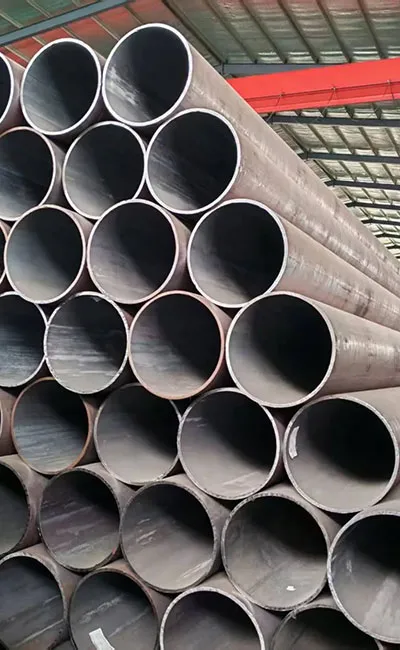
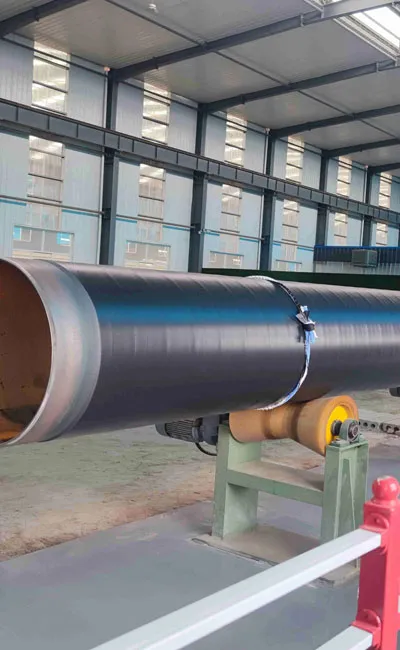
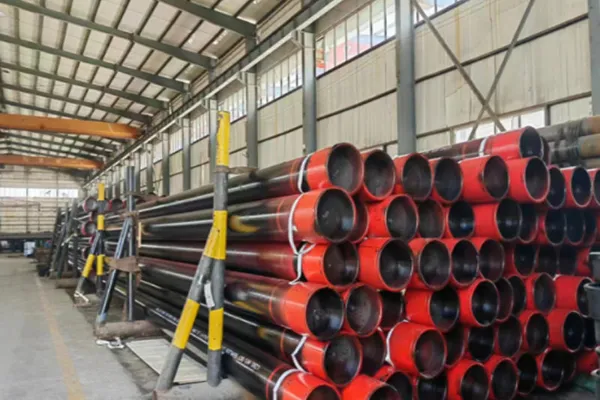
LSAW pipe is manufactured from steel plate that is formed into a cylindrical shape and welded along a longitudinal seam using submerged arc welding. This manufacturing route is well suited to large-diameter and heavy-wall applications where specific dimensions and material grades are required. The final pipe specification, however, must be established through engineering calculations and the applicable project standard. For example, API Spec 5L covers requirements for seamless and welded line pipe, including manufacturing, inspection, testing, marking, and traceability. Its 47th edition was published in 2026.
Pressure Design Determines the Pipe Specification
Higher pressure does not automatically mean that a buyer should simply request a thicker pipe. Required wall thickness is influenced by several factors, including design pressure, pipe outside diameter, material strength, design temperature, corrosion allowance, manufacturing requirements, and the governing engineering code. For liquid pipeline systems, standards such as ASME B31.4 address design, materials, construction, inspection, testing, operation, and maintenance. The supplier should therefore receive the applicable design basis and technical specification whenever possible. This allows the pipe grade, dimensions, testing requirements, and delivery condition to be matched to the actual project rather than selected from nominal pressure alone.
Longitudinal Weld Integrity Matters
The longitudinal weld is a critical part of an LSAW pipe because it forms the continuous welded seam along the pipe body. Pressure-service pipe therefore requires controlled welding procedures, qualified parameters, suitable consumables, and inspection according to the project specification. Non-destructive testing may include ultrasonic testing (UT), radiographic testing (RT), or other specified methods. The required method and extent depend on the applicable standard, product specification, and project inspection plan. Hydrostatic testing can provide an additional verification of pressure-containing integrity under the specified test conditions. It should be treated as one part of the overall quality-control system rather than a substitute for material and weld inspection.
A pipeline may experience changes in operating and ambient temperature during its service life. Heating and cooling can affect thermal expansion, longitudinal stress, supports, and flexibility. In low-temperature service, material toughness can become particularly important. For this reason, steel grade selection should consider the complete operating envelope, including design temperature and fluid conditions. A pipe that satisfies a pressure requirement on paper may still be unsuitable if its material properties do not match the actual service environment.










 English
 Español
 русский язык
 Português