Product News

Hunan Great Steel Pipe Co., Ltd
LSAW steel pipe corrosion,LSAW steel pipe coating,3PE coated LSAW steel pipe,FBE coated steel pipe

How to Prevent LSAW Steel Pipe Corrosion in Water and Buried Pipeline Systems

Date: 2026-09-03

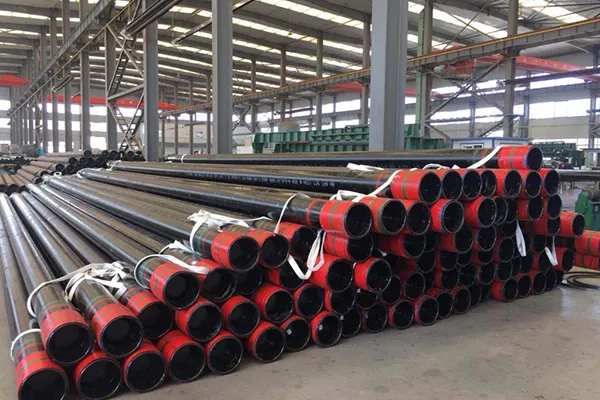
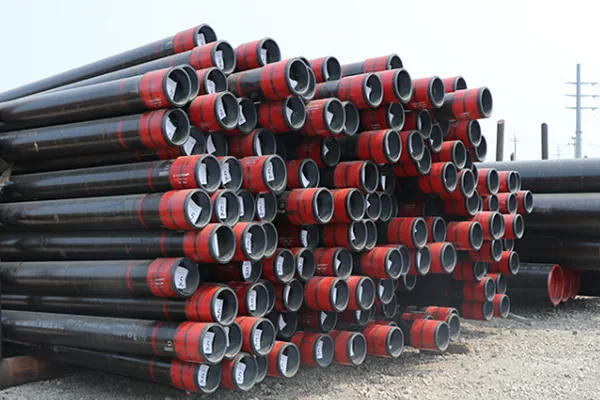
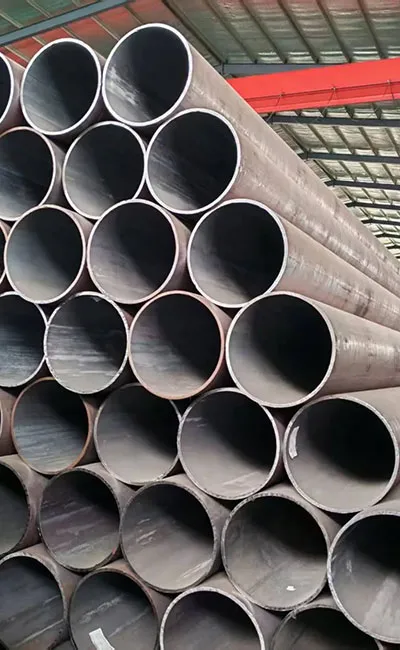
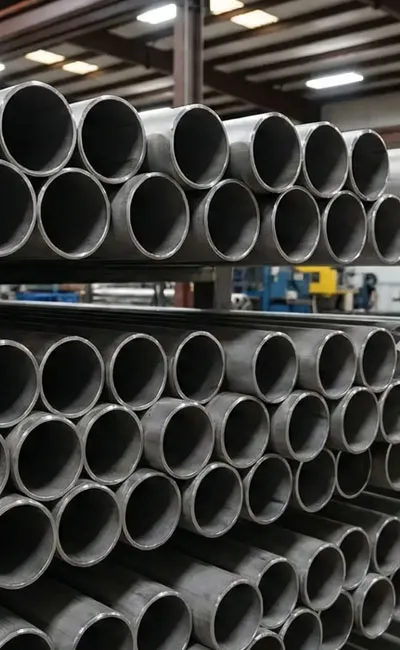
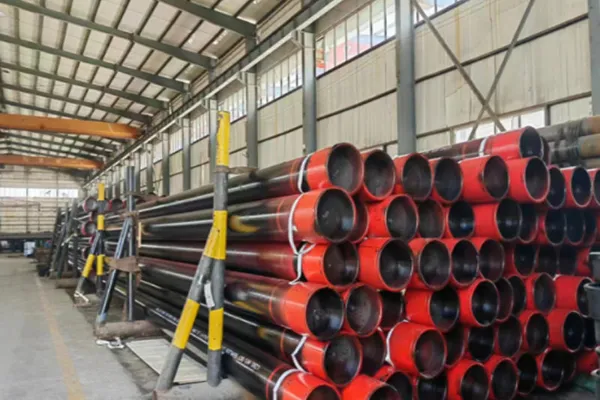
LSAW steel pipe is widely used for large-diameter water transmission, buried pipelines, and other infrastructure projects where strength, dimensional control, and long-term service reliability are important. However, pipe strength alone does not prevent corrosion. For buried or water pipeline systems, corrosion protection should be considered from material selection and coating through transportation, field welding, installation, and long-term inspection. A coating system should also be selected according to the actual operating environment rather than simply by initial cost.


1. Identify the Corrosion Environment First

The first step is to understand how the LSAW steel pipe will be exposed during service. For buried pipelines, soil moisture, pH, salts, temperature, groundwater conditions, and stray electrical currents can influence external corrosion. Water transmission systems require additional consideration of water chemistry and the potential for internal corrosion. Marine and coastal environments may introduce higher chloride exposure and more demanding corrosion conditions. The corrosion protection system should therefore be based on the project environment, design life, operating conditions, and applicable specification.


2. Select the Right External Coating System

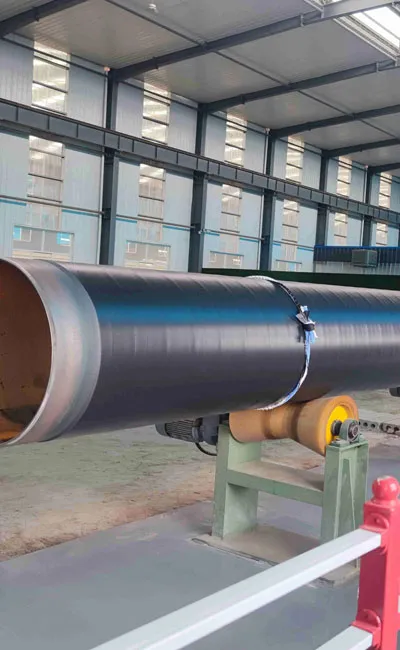
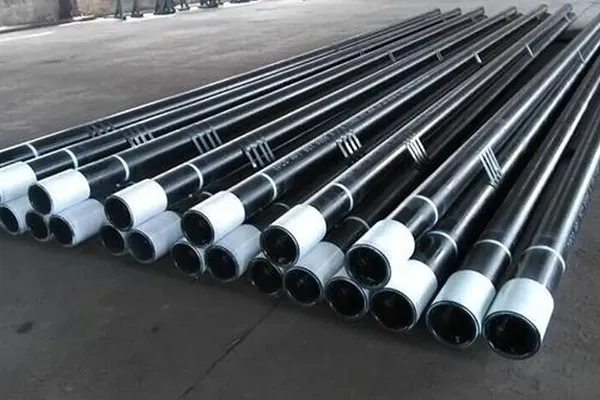
External coating provides the primary barrier between the steel pipe and its surrounding environment. Common coating systems for steel pipelines include fusion-bonded epoxy (FBE) and three-layer polyethylene (3PE). The appropriate system depends on the project specification, service conditions, installation method, and required protection performance. ISO 21809 standards address external coating requirements for buried or submerged pipeline applications, including FBE and polyolefin coating systems. For buyers, the key point is that coating selection should not be separated from the pipeline design. Coating type, thickness, surface preparation, inspection, and repair requirements should be defined before production.


3. Control Surface Preparation and Coating Quality

A high-quality coating starts with a properly prepared steel surface. Before coating, the pipe surface should be cleaned and prepared according to the approved coating procedure. Surface condition, cleanliness, and preparation parameters can directly affect coating adhesion and long-term performance. Depending on the coating system and project requirements, inspection may include:
  • Surface preparation verification
  • Coating thickness measurement
  • Visual inspection
  • Adhesion testing
  • Holiday detection
  • Repair inspection

The purpose is not simply to confirm that the pipe looks acceptable. Inspection should verify that the coating meets the specified technical requirements.


4. Protect the Coating During Handling and Transportation

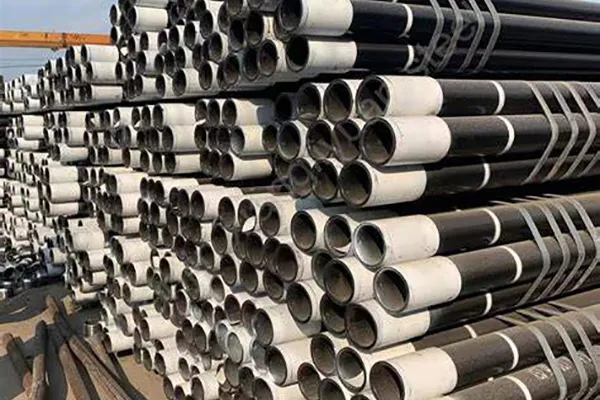
Coating damage can occur after the pipe leaves the coating line. Large-diameter LSAW steel pipe may require cranes, lifting equipment, transport frames, and temporary stacking. Improper lifting, dragging, or contact with sharp surfaces can damage the coating before the pipe reaches the construction site. Suitable lifting methods, supports, separators, and storage conditions should therefore be included in the handling procedure.


5. Pay Attention to Field Joint Coating

Factory-applied coating does not cover the pipe surface exposed after field welding. After two coated pipes are welded together, the bare steel around the joint must receive an appropriate field joint coating system. This is a critical part of corrosion protection for buried pipelines. ISO 21809-3 specifically addresses qualification, application, and testing of field joint coatings for welded steel pipelines. For this reason, a project corrosion-control plan should cover both factory coating and field joint protection rather than treating them as separate issues.

6. Control Installation Conditions

Even a properly coated LSAW pipe can be damaged during installation. Before lowering the pipe into the trench, the coating should be inspected and any identified damage repaired according to the approved procedure. Bedding material should be suitable for the project and free from objects that could puncture or severely damage the coating. Backfilling should also be controlled to avoid unnecessary mechanical damage. The objective is to maintain the integrity of the corrosion protection system from the coating plant to final burial.


7. Consider Internal Corrosion Separately

External coating protects the outside of the pipe. It does not automatically protect the internal surface. For water or other corrosive fluids, internal corrosion should be evaluated according to water chemistry, flow conditions, temperature, operating pressure, and system design. Depending on the application, corrosion control may involve water treatment, monitoring, material selection, internal lining, or other project-specific measures.


8. What Should Buyers Specify in an LSAW Steel Pipe RFQ?

Corrosion protection should be included in the procurement specification before placing an order. A practical RFQ should clearly define: Pipe standard and grade + dimensions + coating system + surface preparation + coating thickness + inspection and testing + repair procedure + field joint coating + documentation requirements. For projects requiring traceability, buyers should also establish how pipe identification, inspection records, coating records, and material documentation will be linked to individual production lots or pipe numbers. API Spec 5L, for example, establishes requirements covering the manufacture, inspection, testing, marking, and traceability of line pipe. Its 47th edition was published in 2026.
Long-Term Corrosion Protection Is a System

Preventing corrosion in LSAW steel pipe is not simply a matter of choosing the thickest or lowest-cost coating. A reliable approach combines appropriate pipe specification, suitable coating, controlled surface preparation, coating inspection, careful handling, field joint protection, controlled installation, and long-term monitoring. For water transmission and buried pipeline projects, corrosion protection should be designed together with the pipe specification from the beginning. For buyers, the better question is not simply “Which coating costs less?” but “Which corrosion protection system matches the environment, installation method, and expected service life?”

Latest news list

  • LSAW steel pipe shipment,LSAW steel pipe export,large diameter steel pipe,LSAW pipe inspection
    For a large-diameter LSAW steel pipe project,manufacturing is only one part of the delivery process,The pipe must meet the approved technical specification,pass the required inspections,receive the correct end preparation and surface protection,and reach the port in suitable condition for international transportation,A recent export order provides a practical example of how technical,quality and logistics activities need to work together before shipment,
  • LSAW steel pipe for water transmission,LSAW water pipe,large diameter LSAW steel pipe,LSAW steel pipe coating
    Large-diameter LSAW steel pipe is widely used for water transmission projects where high flow capacity,large diameters and project-specific wall thicknesses are required,Its longitudinal welded construction also allows manufacturers to produce pipe to defined dimensions and mechanical requirements,But selecting the right LSAW pipe is only one part of pipeline reliability,Hydraulic conditions,pressure transients,internal water quality,corrosion protection,field welding and installation all affect long-term performance,
  • LSAW steel pipe buying guide,LSAW steel pipe procurement,buy LSAW steel pipe,LSAW pipe supplier,LSAW pipe inspection
    Buying large-diameter LSAW steel pipe for an international project involves more than comparing supplier quotations,A pipe can meet the required dimensions and still create project risk if the material specification,inspection scope,documentation,coating or delivery plan is not properly defined,For EPC contractors,project owners,distributors and engineering companies,a better approach is to compare suppliers against the same technical and commercial requirements,
  • LSAW steel pipe problems,LSAW steel pipe troubleshooting,LSAW pipe maintenance,LSAW pipe inspection
    When an LSAW steel pipeline develops a problem,replacing the pipe immediately is rarely the best first step,The priority is to determine what changed,where the damage occurred and why it happened,LSAW (Longitudinal Submerged Arc Welding) pipe is widely used in large-diameter pipeline systems,During service,however,pipeline problems can result from corrosion,coating failure,external loading,operating conditions,connection problems or weld-related issues,A structured troubleshooting process helps maintenance teams distinguish between a local defect and a broader integrity problem,
  • how to choose LSAW steel pipe,LSAW pipe buying guide,LSAW pipe selection,LSAW steel pipe procurement
    Choosing LSAW steel pipe should start with the pipeline's engineering requirements,not with the lowest price per ton,The right pipe needs to match the operating conditions,applicable standard,steel grade,dimensions,welding requirements,inspection scope and delivery conditions of the project,LSAW (Longitudinal Submerged Arc Welding) pipe is widely used for large-diameter pipeline applications,including oil and gas transmission,water infrastructure and other industrial systems,However,selecting the correct product requires more than specifying “LSAW pipe” on an RFQ,

Find what you need ?

close
We use cookies and other tracking technologies to improve your browsing experience on our website, to show you personalized content and targeted ads, to analyze our website traffic, and to understand where our visitors are coming from.