Hydrostatic Testing
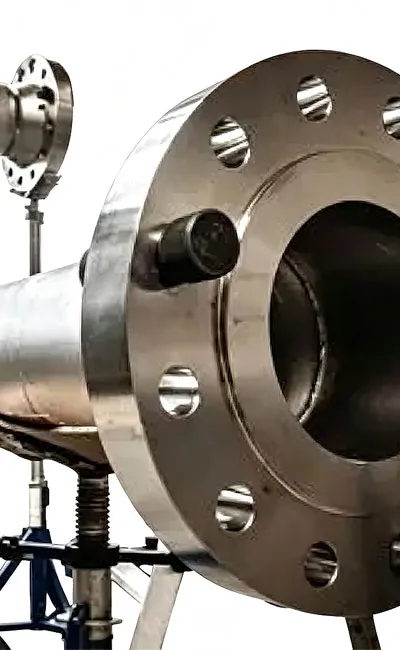
Hydrostatic testing evaluates the pipe's ability to withstand the specified internal pressure. During the test, the pipe is filled with water and subjected to the specified test pressure for the required period. The test procedure and acceptance criteria depend on the applicable standard. For pipeline applications, hydrostatic testing is especially relevant because the pipe may eventually operate under significant internal pressure.
Dimensional Inspection
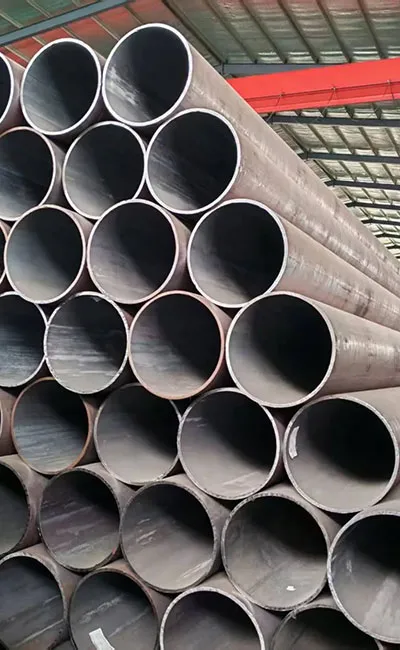
Large-diameter pipe must also meet dimensional requirements. Typical checks include:
-
Outside diameter
-
Wall thickness
-
Pipe length
-
Ovality
-
Straightness
-
End squareness
-
Bevel dimensions
Dimensional control has a direct impact on field installation. A pipe that meets material and weld requirements but has excessive dimensional deviation may create difficulties during fit-up and field welding.
Surface and End Inspection
The external surface is inspected for visible defects, mechanical damage and unacceptable imperfections. Pipe ends are also checked because bevel geometry affects field welding. If the pipe will receive an external coating, surface preparation becomes another important quality-control stage. Coating specifications should be treated as part of the complete delivery requirement rather than an unrelated finishing operation.
Documentation Is Part of Quality
For international projects, documentation can be as important as physical inspection. Depending on the contract, buyers may require:
-
Mill Test Certificate
-
Heat number traceability
-
NDT records
-
Hydrostatic test records
-
Dimensional inspection reports
-
Coating inspection records
-
Third-party inspection reports
-
Packing list
-
Certificate of conformity
The exact documentation package should be agreed before production.
A Better Way to Evaluate an LSAW Manufacturer
Instead of asking only, “Can you manufacture LSAW pipe?”, buyers should ask how the manufacturer controls the complete process. A strong supplier should be able to explain:
1. How material is identified.
2. How forming is controlled.
3. How welding parameters are qualified.
4. How welds are inspected.
5. How dimensions are verified.
6. How pressure testing is performed.
7. How records are compiled before shipment.
Hunan Great Steel Pipe's LSAW product information lists chemical analysis, mechanical testing, hydrostatic testing, ultrasonic testing, radiographic testing and dimensional inspection among its quality-control activities. For major engineering orders, the inspection plan should always be aligned with the project specification rather than relying on a generic factory checklist.










 English
 Español
 русский язык
 Português