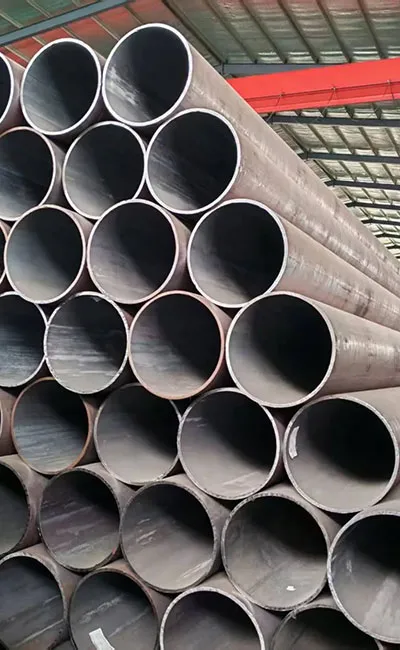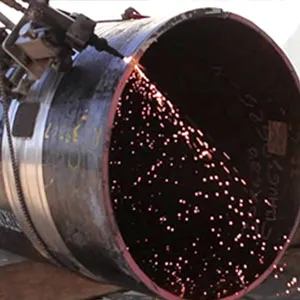

For a large-diameter LSAW steel pipe project, manufacturing is only one part of the delivery process. The pipe must meet the approved technical specification, pass the required inspections, receive the correct end preparation and surface protection, and reach the port in suitable condition for international transportation. A recent export order provides a practical example of how technical, quality, and logistics activities need to work together before shipment.
For project orders, this step should not be treated as routine paperwork. A difference in wall thickness, end preparation, or marking requirements can create problems during installation or inspection at the destination. Once the specification is approved, production and delivery schedules can be coordinated with material availability, inspection dates and the planned shipping window.
Third-party inspection can also be arranged when required by the buyer, EPC contractor or project owner. The important point is that inspection results should be traceable to the actual pipes being shipped. A quality package is more useful when pipe markings, heat numbers, inspection records and certificates can be cross-checked against the physical cargo.
Large-diameter steel pipe requires appropriate lifting and loading arrangements because pipe weight, dimensions and center of gravity can create handling risks. The loading plan should consider the available lifting equipment, vessel or truck requirements, cargo securing, pipe support and unloading sequence. For project cargo, logistics planning should begin before production is completed. This gives the supplier time to coordinate inspection release, packing, port arrangements and shipping documentation instead of treating loading as the final step at the factory.
Before shipment, international buyers should confirm:
|
Checkpoint |
What to Verify |
|
Technical specification |
Standard, grade, OD, wall thickness, and length |
|
Quantity |
Actual quantity matches the purchase order |
|
Inspection |
Required tests and inspection records are complete |
|
Pipe ends |
Bevel or plain-end configuration is correct |
|
Surface protection |
Coating or treatment meets the agreed requirement |
|
Marking |
Pipe markings are clear and traceable |
|
Documentation |
MTC, inspection and shipping documents are consistent |
|
Packing |
Cargo is suitable for handling and transportation |
|
Loading |
Lifting, support and securing arrangements are appropriate |








 English
 Español
 русский язык
 Português