
|
Installation Stage |
Key Recommendation |
|
Storage |
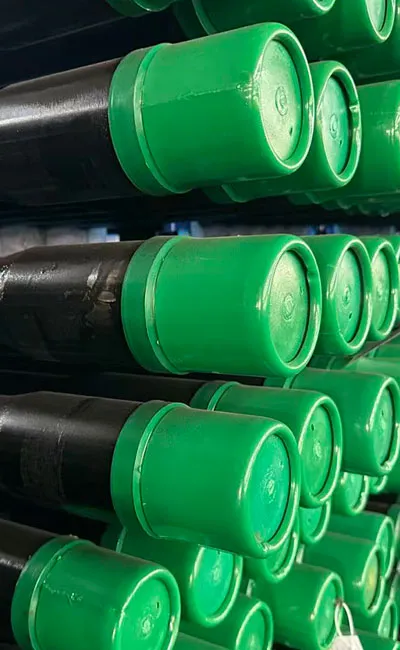
Keep tubes clean, dry, and protected with end caps |
|
Incoming Inspection |
Verify dimensions, surface condition, and EN 10204 3.1 documentation |
|
Assembly |
Maintain internal cleanliness and avoid twisting the tube |
|
Fitting Installation |
Follow the fitting manufacturer's torque specification |
|
Commissioning |
Perform pressure testing before putting the system into service |
|
Inspection Item |
Purpose |
|
Surface condition |
Detect scratches, dents, or corrosion |
|
Outside diameter and straightness |
Ensure compatibility with fittings and assemblies |
|
Internal cleanliness |
Prevent contamination of hydraulic components |
|
Documentation |
Verify EN 10204 3.1 certificates and heat traceability |
Hydraulic tubes manufactured to EN 10305-1 should be checked against purchase specifications before installation. Any tube showing visible damage or missing documentation should be evaluated before use.
|
Installation Problem |
Likely Cause |
Recommended Solution |
|
Leakage at fittings |
Incorrect torque or poor alignment |
Reinstall and tighten to specification |
|
Contamination |
End caps removed too early |
Keep protective caps until assembly |
|
Excessive vibration |
Insufficient support clamps |
Install additional supports where required |
|
Seal damage |
Burrs after cutting |
Deburr and clean before installation |
|
Pressure loss |
Incorrect fitting selection |
Verify compatibility before assembly |
Q1: Should hydraulic steel pipes be cleaned before installation?
A1: Yes. Cleanliness is essential for protecting pumps, valves, and seals. Tubes should be flushed or cleaned whenever contamination is suspected.
Q2: Can hydraulic steel pipes be bent on-site?
A2: Yes, provided appropriate bending equipment is used and the recommended bend radius is maintained.
Q3: Why is pressure testing important?
A3: Pressure testing confirms that the completed hydraulic system can operate safely without leakage before commissioning.
Q4: Which documents should accompany hydraulic steel pipes?
A4: Typical documentation includes EN 10204 3.1 Mill Test Certificates, dimensional inspection reports, and material traceability records.








 English
 Español
 русский язык
 Português