Product News

Hunan Great Steel Pipe Co., Ltd
Hydraulic Steel Pipe Quality Problems,Hydraulic Tube Defects,Hydraulic Tube Inspection,Hydraulic Tube Quality Control

What Are the Most Common Hydraulic Steel Pipe Quality Problems and How Can They Be Solved?

Date: 2026-07-31

Hydraulic steel pipes are engineered to deliver precise dimensions, clean internal surfaces, and dependable pressure performance. However, quality issues can still arise during raw material preparation, manufacturing, storage, or transportation. Even a minor defect may lead to leakage, accelerated seal wear, hydraulic contamination, or unexpected equipment downtime. Understanding the most common quality problems—and how they can be prevented—helps manufacturers, engineers, and procurement teams reduce operational risks while improving long-term system reliability.


Quick Reference: Common Quality Problems

Quality Issue

Primary Risk

Typical Solution

Dimensional deviation

Poor sealing and assembly issues

Precision dimensional inspection

Poor internal surface finish

Seal wear and pressure loss

Surface finishing and bore inspection

Surface defects

Reduced structural integrity

Visual inspection and NDT

Mechanical property variation

Unstable pressure performance

Heat treatment verification and testing

Internal defects

Potential burst or fatigue failure

Ultrasonic and hydrostatic testing

Internal contamination

Valve blockage and pump wear

Cleaning, flushing, and proper packaging


Why Quality Problems Matter

In hydraulic systems, failures are often caused by dimensional inconsistencies or contamination rather than insufficient material strength. During one hydraulic cylinder project, an incoming batch of tubes with excessive straightness deviation caused repeated seal replacement during assembly. The issue was identified before commissioning through routine dimensional inspection, preventing more costly field failures. This example highlights an important lesson: effective quality control begins long before a hydraulic system enters service.

Common Quality Problems and Practical Solutions

1. Dimensional Deviation

Outside diameter, wall thickness, roundness, and straightness directly influence sealing performance and assembly accuracy. Worn drawing dies, unstable drawing speeds, or improper straightening may result in dimensional variations. For precision hydraulic tubes manufactured to EN 10305-1, dimensional tolerances should be verified using calibrated measuring equipment before shipment. Automated laser measurement systems help identify deviations early and improve production consistency.

2. Poor Internal Surface Finish

Scratches, excessive roughness, oxide scale, or residual particles inside the tube increase flow resistance and may damage seals over time. In new hydraulic systems, inadequate internal surface quality is a common contributor to premature seal wear. Optimizing the cold drawing process, performing effective internal cleaning, and inspecting bore quality before packaging help minimize these risks.

3. Surface Defects

Surface imperfections—including cracks, seams, laps, dents, or corrosion—can reduce tube integrity and shorten service life. Typical inspection methods include:
  • Visual inspection for external damage.
  • Eddy Current Testing (ECT) for surface-breaking defects.
  • Ultrasonic Testing (UT) for subsurface discontinuities.
Minor cosmetic imperfections may be reworked when permitted by specification, while defects affecting structural performance generally require rejection.

4. Mechanical Property Inconsistency

Variations in yield strength, tensile strength, hardness, or elongation are commonly associated with inconsistent raw material chemistry, excessive cold working, or incomplete stress-relief heat treatment. Mechanical testing should be performed for every production batch, and buyers should request EN 10204 3.1 Mill Test Certificates to verify compliance with project specifications.

5. Internal Defects

Internal inclusions, laminations, and porosity cannot usually be detected through visual inspection but may reduce fatigue strength and pressure resistance. These defects are typically identified through:
  • Ultrasonic Testing (UT)
  • Eddy Current Testing (ECT)
  • Hydrostatic pressure testing
For high-pressure hydraulic applications, combining multiple inspection methods provides greater confidence in product reliability.

6. Poor Internal Cleanliness

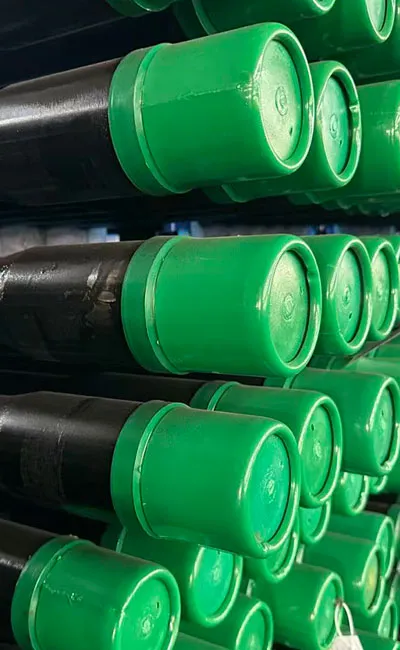
Even when a tube meets dimensional and mechanical requirements, contamination inside the bore can still damage hydraulic systems. Metal particles, dust, residual oil, or corrosion products may block valves, score cylinder surfaces, or accelerate pump wear. Internal flushing, cleanliness verification in accordance with ISO 4406 where required, protective end caps, and controlled storage conditions all help reduce contamination risks.

Preventing Quality Problems Throughout Manufacturing

Manufacturing Stage

Potential Quality Risk

Preventive Measure

Raw material inspection

Chemical inconsistency or inclusions

Material verification and traceability

Cold drawing

Dimensional variation

Process monitoring and tooling maintenance

Heat treatment

Mechanical property variation

Controlled furnace parameters

Straightening

Poor straightness

Precision straightness inspection

Final inspection & packaging

Contamination or corrosion

Clean packaging and protective storage

Quality is most effectively controlled through the entire manufacturing process rather than relying solely on final inspection.


How Buyers Can Reduce Quality Risks

Beyond reviewing product specifications, buyers should evaluate a supplier’s overall quality management capability.
Consider asking the following questions before placing an order:
  • Are dimensional, mechanical, and NDT inspections performed in-house?
  • Can EN 10204 3.1 certificates and complete heat traceability be provided?
  • What inspection reports accompany each shipment?
  • How are tubes cleaned, packaged, and protected during transportation?
  • Does the supplier have experience supporting similar hydraulic applications?

A supplier with documented inspection procedures and complete traceability typically provides greater consistency throughout long-term projects.
FAQ

Q1: What is the most common hydraulic steel pipe quality problem?
A1: Dimensional deviation, poor internal surface finish, and contamination are among the most frequently encountered issues.
Q2: How are hidden defects detected?
A2: Ultrasonic testing, eddy current testing, and hydrostatic pressure testing are commonly used to identify defects that cannot be seen during visual inspection.
Q3: Why is internal cleanliness so important?
A3: Contaminants can damage pumps, valves, seals, and cylinders, reducing hydraulic system efficiency and service life.
Q4: Which quality documents should buyers request?
A4: Typical documents include EN 10204 3.1 Mill Test Certificates, dimensional inspection reports, NDT reports, and traceability records.


Conclusion

Most hydraulic steel pipe quality problems can be prevented through careful material selection, stable manufacturing processes, comprehensive inspection, and proper handling before installation. Identifying potential defects early not only reduces maintenance costs but also improves hydraulic system reliability and equipment uptime.
When selecting a hydraulic steel pipe supplier, look beyond the product itself. Consistent manufacturing controls, documented inspection procedures, and complete material traceability are essential indicators of long-term quality. Discussing pressure requirements, dimensional tolerances, cleanliness expectations, and inspection standards before production begins helps ensure the delivered tubes meet the performance requirements of your project.


Latest news list

  • Hydraulic Steel Pipe,Hydraulic Tube Application Guide,Hydraulic Steel Pipe Operating Conditions
    Hydraulic steel pipes are designed to operate under demanding conditions,but reliable long-term performance depends on more than selecting the correct material grade,Operating pressure,temperature,vibration,corrosion exposure,installation quality,and maintenance practices all influence service life,In many field applications,failures are caused not by defective materials but by mismatched operating conditions or improper installation,This guide explains how different environments affect hydraulic steel pipes and outlines practical measures that help improve system reliability while reducing maintenance costs,
  • Hydraulic Steel Pipe Quality Control,Hydraulic Tube Inspection,EN 10305-1 E355,Hydraulic Cylinder Tube
    Hydraulic steel pipe quality control is a closed-loop process that starts with raw material verification and follows every tube through cold drawing,heat treatment,dimensional gauging,non-destructive testing,and final documentation review,This systematic approach ensures the finished tube can handle real-world pressure spikes without failure,Here’s how it works,and what buyers should verify before placing an order,
  • Hydraulic Steel Pipe Works,Hydraulic Steel Pipe,EN 10305-1 E355,Cold Drawn Seamless Tube,Hydraulic Cylinder Pipe
    Hydraulic systems power everything from excavators and agricultural machinery to injection molding equipment and industrial automation,While pumps,valves,and cylinders often receive the most attention,the hydraulic steel pipe is equally critical,It serves as the pathway that delivers pressurized hydraulic fluid safely and efficiently throughout the system,
  • Hydraulic Steel Pipe,Hydraulic Tube Stock,EN 10305-1 E355,Central Asia Warehouse,Hydraulic Cylinder Tube
    For hydraulic equipment manufacturers and engineering contractors across Central Asia,material availability can directly influence production schedules and project completion,While international sourcing remains essential for many steel products,long transportation cycles and customs procedures may extend delivery times for urgently needed hydraulic tubes,
  • Hydraulic steel pipe procurement,hydraulic tubing,seamless hydraulic steel pipe,hydraulic pipe buying guide
    After supplying hydraulic steel pipes for industrial equipment manufacturers,EPC contractors,and hydraulic system fabricators across more than 100 countries,we have found that procurement issues are rarely caused by product availability,More often,they result from incomplete specifications,missing inspection requirements,or selecting suppliers based solely on price,

Find what you need ?

close
We use cookies and other tracking technologies to improve your browsing experience on our website, to show you personalized content and targeted ads, to analyze our website traffic, and to understand where our visitors are coming from.