When selecting hydraulic steel pipes, procurement decisions should consider more than price. Engineers typically evaluate:
-
Maximum working pressure.
-
Operating temperature.
-
Hydraulic fluid compatibility.
-
Outside diameter and wall thickness.
-
Dimensional tolerances.
-
Material grade.
-
Required inspection documents.
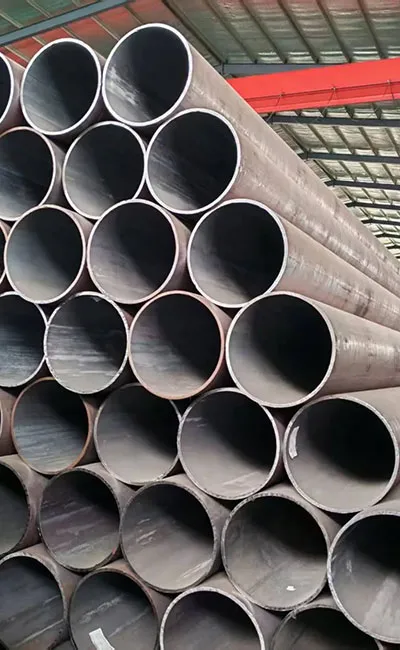
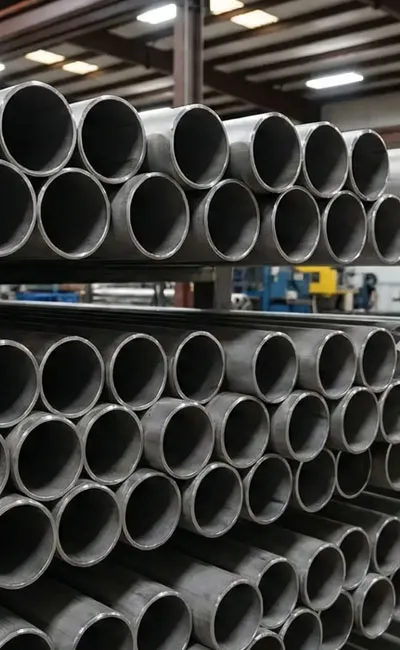
For many industrial hydraulic systems, EN 10305-1 E355 cold drawn seamless tubes are widely selected because they provide an excellent balance of strength, machinability, and dimensional accuracy. Before placing an order, it is also advisable to confirm whether the supplier can provide documentation such as EN 10204 3.1 Mill Test Certificates, dimensional inspection reports, and third-party inspection services when required.
Why Cold Drawn Seamless Tubes Are Preferred
Cold drawn seamless manufacturing produces tubes with more consistent dimensions, improved mechanical properties, and a smoother internal surface than many conventional steel pipes. These characteristics contribute to:
-
Better sealing performance.
-
Reduced maintenance requirements.
-
Improved pressure stability.
-
Longer service life.
-
More reliable hydraulic system operation.
For equipment manufacturers and maintenance teams, these advantages often translate into lower operating costs throughout the equipment lifecycle.
FAQ
Q1: Can ordinary seamless steel pipes replace hydraulic steel pipes?
A1: Not recommended. Hydraulic steel pipes are manufactured with tighter tolerances and better internal surface quality specifically for high-pressure hydraulic systems.
Q2: Why is EN 10305-1 E355 commonly used?
A2: E355 offers high strength, good machinability, and reliable performance for demanding hydraulic applications such as cylinders and heavy machinery.
Q3: How are hydraulic steel pipes inspected?
A3: Typical inspections include chemical composition verification, mechanical property testing, dimensional inspection, surface examination, and non-destructive testing where specified.
Q4: What should buyers confirm before purchasing?
A4: Verify the working pressure, required dimensions, material grade, inspection documents, and delivery requirements to ensure the selected product matches the application.
Conclusion
Hydraulic steel pipes are far more than simple conduits for hydraulic oil. They are precision-engineered components that maintain pressure, support efficient fluid transmission, and contribute directly to the reliability of hydraulic systems. Whether you are manufacturing hydraulic cylinders, upgrading industrial equipment, or sourcing materials for a new project, understanding how hydraulic steel pipes work is the first step toward selecting the right product. By combining the appropriate material grade, precise manufacturing, and comprehensive quality inspection, engineers and procurement teams can improve equipment performance while reducing maintenance and lifecycle costs. If you are evaluating hydraulic steel pipes for your next project, our engineering team can help you select suitable specifications, inspection options, and customized manufacturing solutions based on your operating conditions and application requirements.










 English
 Español
 русский язык
 Português