Installing coated steel pipe does not end the corrosion-protection process. Once the pipe is connected to a pipeline, water system, industrial facility, or structural assembly, its coating must continue to protect the steel under actual service conditions. Effective maintenance is not simply repainting a pipe when rust appears. It involves initial inspection, routine condition monitoring, appropriate cleaning, timely repair, and documented follow-up. The exact maintenance program should reflect the coating system, installation environment, operating conditions, and project specification.
1. Inspect the Coating After Installation
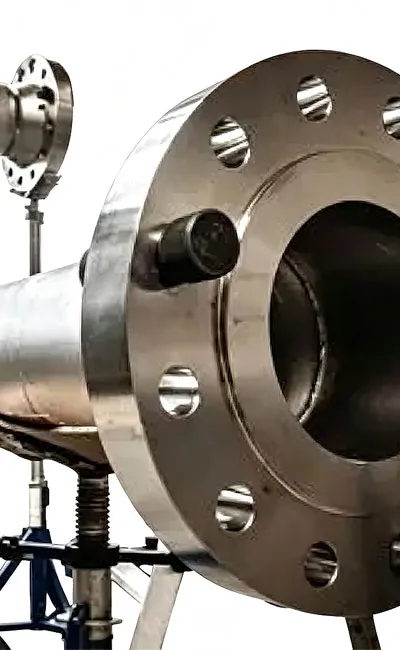
A post-installation inspection should be completed before the pipe enters normal service, particularly after transportation, lifting, welding, field assembly, or backfilling. Common installation-related damage includes scratches, cuts, dents, coating disbondment, and exposed steel. Particular attention should be given to field-welded joints because the original factory coating is interrupted during installation and must be restored afterward. AMPP identifies field-applied coating at pipeline weld joints as an important part of corrosion protection. Inspect the following areas:
-
Pipe surface and coating transitions
-
Field-welded joints
-
Flanges, fittings, and connections
-
Supports, clamps, and contact points
-
Areas exposed to impact or abrasion
-
Locations where water or contaminants may accumulate
Any defect should be recorded and evaluated according to the approved repair procedure.
2. Understand the Maintenance Needs of Different Coating Systems
Different coating systems have different failure modes and maintenance priorities.
|
Coating System
|
Main Maintenance Focus
|
|
FBE
|
Impact damage, exposed steel, disbondment
|
|
3LPE
|
Cuts, abrasion, outer-layer damage, field joints
|
|
3LPP
|
Mechanical damage and service-temperature conditions
|
|
Liquid Epoxy
|
Cracking, peeling, adhesion, and local repair
|
For example, FBE provides an epoxy-based protective barrier, while 3LPE and 3LPP use multilayer systems that combine corrosion protection with a polyolefin outer layer. Therefore, repairing a damaged 3LPE pipe should not be approached in exactly the same way as repairing a liquid-epoxy-coated pipe. For water pipelines, AWWA C213-22 covers fusion-bonded epoxy coatings and linings for steel water pipe, fittings, welded joints, and connections. The applicable maintenance and repair procedure should therefore be based on the coating system actually specified and installed.
3. Keep the Coated Surface Clean
Above-ground coated steel pipe should be kept reasonably clean, especially in environments exposed to salt spray, industrial chemicals, dust, mud, or process deposits. Accumulated contaminants can retain moisture against the coating and make inspection more difficult. Cleaning methods should be compatible with the installed coating. Aggressive tools, unsuitable solvents, or excessive mechanical abrasion can create new coating defects. For buried pipelines, routine surface cleaning is generally not practical. Maintenance instead focuses on accessible components, corrosion monitoring, inspection data, cathodic-protection systems where applicable, and areas exposed during excavation or maintenance work.
4. Inspect Joints, Supports, and Connections
The pipe body is not necessarily the most vulnerable part after installation. Weld joints, flanges, supports, clamps, fittings, and coating transitions can experience additional mechanical stress, abrasion, or water accumulation. These locations should receive additional attention during scheduled inspections. This is particularly important because field-applied coating may involve different application conditions from factory-applied coating. Surface preparation, environmental conditions, overlap, curing, and application technique can all influence the final coating performance. AMPP specifically emphasizes surface preparation, application conditions, and inspection in field coating work.










 English
 Español
 русский язык
 Português