Company News

Hunan Great Steel Pipe Co., Ltd
how to choose coated steel pipe,coated steel pipe quality,anti-corrosion steel pipe,coated steel pipe supplier

How to Choose High-Quality Coated Steel Pipe? 5 Key Checks for Buyers

Date: 2026-08-10

Choosing a coated steel pipe is not simply a matter of selecting a coating name such as 3PE, FBE, epoxy, or galvanized. The quality of the finished product depends on the base pipe, surface preparation, coating system, application process, inspection, and handling. For industrial and infrastructure projects, a poor coating can lead to premature corrosion, additional maintenance, and costly replacement. Buyers should therefore evaluate the complete product rather than judging quality from appearance alone. Here are five practical checks that can help procurement teams select a reliable coated steel pipe.


1. Check the Quality of the Base Pipe

A coating cannot compensate for a poor-quality steel pipe. Before ordering, verify:
  • Steel grade
  • Outside diameter and wall thickness
  • Manufacturing method
  • Applicable product standard
  • Dimensional tolerances
  • Mechanical properties
  • Material Test Certificate (MTC)
The manufacturing method should also match the application. Depending on project requirements, buyers may select seamless, ERW, or LSAW steel pipe. For pipeline projects, for example, the required pipe grade and manufacturing requirements should be clearly defined in the purchase specification.


2. Match the Coating System to the Service Environment

There is no single coating that is suitable for every application. Common options include:

Coating Type

Typical Consideration

Galvanized

General outdoor and construction applications

FBE

Pipeline and industrial corrosion protection

3PE

Buried oil, gas, and water pipelines

Epoxy

Internal or external industrial protection

The selection should consider soil conditions, moisture, chemicals, temperature, UV exposure, abrasion, and expected service life. For example, a coating designed for a buried pipeline should be evaluated differently from one used for an exposed industrial pipe.

3. Inspect Surface Preparation Before Coating

Surface preparation is one of the most important stages in the coating process. Before coating, the steel surface needs to be properly prepared to remove contaminants such as:
  • Oil and grease
  • Rust
  • Mill scale
  • Dust
  • Moisture
Proper preparation improves coating adhesion and reduces the risk of premature peeling or corrosion beneath the coating. For this reason, buyers should ask suppliers to provide the required surface preparation procedure and inspection records rather than focusing only on the final coating appearance.


4. Verify Coating Thickness and Surface Quality

A coating that looks uniform does not necessarily meet the required specification.
Quality inspection may include:
  • Coating thickness measurement
  • Visual inspection
  • Adhesion testing
  • Holiday testing
  • Surface defect inspection
  • Coverage verification
The required coating thickness should be based on the approved project specification. Excessively thick coating is not automatically better, while insufficient thickness may reduce the expected protection. Holiday testing can also be important for certain pipeline coating systems because small discontinuities may expose the underlying steel to the environment.

5. Check Inspection, Packaging, and Traceability

Quality control should continue after coating application. A professional supplier should be able to provide appropriate documentation, such as:
  • Material certificates
  • Dimensional inspection records
  • Coating inspection reports
  • Test results
  • Product identification and traceability records
  • Packing lists
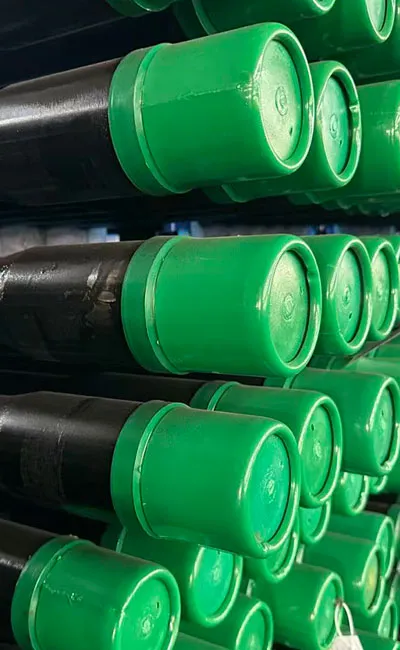
Packaging is also part of product quality. Coated pipes can be damaged by impact, improper stacking, or movement during transportation. Pipes should therefore be properly supported and secured to minimize coating damage during handling and shipment.

Coated Steel Pipe Quality Checklist

Before placing an order, buyers can use this quick checklist:

Quality Check

What to Confirm

Base pipe

Grade, size, standard, manufacturing method

Coating

Type, location, specification

Surface preparation

Cleaning and preparation requirements

Coating thickness

Required minimum and inspection method

Testing

Adhesion, holiday, visual or other specified tests

Documentation

MTC, inspection reports, traceability

Packaging

Protection during handling and transportation

This approach helps procurement teams compare suppliers using measurable requirements rather than price alone.


Common Mistakes When Buying Coated Steel Pipe

Several purchasing mistakes occur repeatedly.
Choosing only by price: A lower quotation may not include the same coating thickness, inspection scope, or documentation.
Selecting the coating before defining the environment: The correct coating depends on service conditions.
Ignoring the base pipe: The coating is only one part of the finished product.
Relying on visual inspection alone: Surface appearance cannot confirm coating thickness, adhesion, or hidden defects.
Overlooking transportation: Coating damage during shipment can compromise protection before installation.


Practical Engineering Example

For an underground water pipeline, the buyer required carbon steel pipe with external corrosion protection. Instead of evaluating the coating solely by appearance, the procurement team reviewed the base pipe specification, surface preparation, coating thickness, inspection requirements, and packaging method before shipment. This full-process approach reduced the risk of receiving a product that met the basic pipe specification but failed to provide the expected corrosion protection in service.


FAQ

Q1: What is the most important factor when choosing coated steel pipe?
A1: There is no single factor. Base pipe quality, coating selection, surface preparation, application quality, and inspection all contribute to the final product performance.
Q2: Is thicker coating always better?
A2: No. Coating thickness should meet the approved specification. Excessive thickness can also create application and curing problems depending on the coating system.
Q3: How can buyers verify coating quality?
Q3: Request coating inspection records and confirm the specified thickness, surface condition, adhesion, holiday testing, and other required tests.
Q4: What coating is best for underground pipelines?
A4: The appropriate system depends on soil conditions, temperature, mechanical exposure, transported medium, and project specifications. 3PE and FBE systems are commonly considered for pipeline applications, but the final selection should be engineering-based.


Conclusion

High-quality coated steel pipe is the result of quality steel pipe manufacturing plus controlled coating and inspection processes. Buyers should evaluate the entire supply chain, from material grade and dimensions to surface preparation, coating thickness, testing, documentation, and transportation protection. Hunan Great Steel Pipe Co., Ltd. provides coated steel pipe solutions for industrial, energy, infrastructure, and international engineering projects. Our team can assist customers with base pipe selection, coating requirements, inspection documentation, customized specifications, and export packaging to ensure the supplied product matches the project’s actual service conditions.


Latest news list

Find what you need ?

close
We use cookies and other tracking technologies to improve your browsing experience on our website, to show you personalized content and targeted ads, to analyze our website traffic, and to understand where our visitors are coming from.