Product News

Hunan Great Steel Pipe Co., Ltd
pre-fabricated piping,pipe spool fabrication,industrial piping installation,ASME B31,3 piping,piping quality control

Pre-Fabricated Piping: Manufacturing, Installation, and Quality Control Guide

Date: 2026-07-10

Why Construction Control Matters

Pre-fabricated piping is widely used in oil and gas, petrochemical, power generation, and chemical processing projects. By moving cutting, welding, and inspection from the construction site to a controlled fabrication facility, it reduces field workload and improves quality consistency. However, prefabrication alone doesn't guarantee success. Engineering coordination, fabrication accuracy, transportation planning, and installation control are equally important. Poor management between these stages results in spool mismatch, welding rework, installation delays, and increased costs. A reliable pre-fabricated piping system requires strict control from engineering design to final commissioning.


1. Engineering Preparation Before Fabrication

1.1 Drawing Review and 3D Model Verification

Before fabrication starts, fabricators should review piping drawings, isometric drawings, 3D models, material specifications, welding requirements, and installation sequence. Key details — pipe dimensions, flange orientation, connection points, and support locations — must be verified before cutting and welding. In our experience supporting EPC projects, the most common source of field fit-up issues isn't fabrication error — it's incomplete dimensional verification during the drawing review stage. Early engineering coordination prevents field modifications and improves installation efficiency.

1.2 Material Selection and Traceability

Material selection directly affects system performance. Common materials include carbon steel, stainless steel, alloy steel, and duplex stainless steel. The selected material should match operating conditions — temperature, pressure, corrosion environment, and process medium. During fabrication, material certificates, heat number tracking, and inspection records should be maintained to ensure full traceability from raw materials to finished spools.


2. Key Manufacturing Considerations

2.1 Cutting and Pipe Preparation

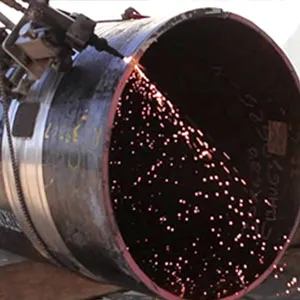
Dimensional accuracy is critical. Manufacturing control should include precise pipe cutting, correct bevel preparation, dimensional tolerance inspection, and proper spool assembly. Accurate fabrication reduces alignment problems and minimizes costly field adjustments.

2.2 Welding Quality Control

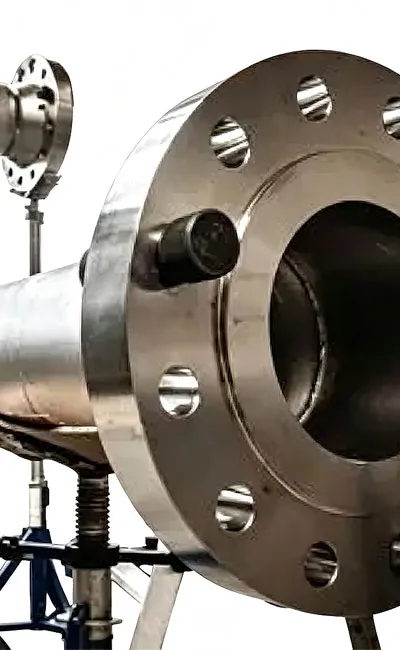
Welding is the most important process in pre-fabricated piping. Quality control includes approved Welding Procedure Specifications (WPS), qualified welding personnel, controlled welding conditions, and proper inspection procedures. Per ASME Section IX, welding procedures must be qualified and welders certified to the specific WPS used. Inspection methods include visual inspection, radiographic testing (RT), ultrasonic testing (UT), magnetic particle testing (MT), and liquid penetrant testing (PT). Factory welding provides a stable environment compared with uncontrolled site conditions, improving weld consistency and inspection efficiency.

2.3 Dimensional Control and Surface Protection

Before shipment, each spool should be checked for overall dimensions, flange alignment, support locations, and surface condition. Surface treatment — painting, coating, hot-dip galvanizing, or pickling and passivation — depends on project requirements. Proper corrosion protection extends service life and reduces maintenance.

3. Transportation and Installation

3.1 Packaging and Storage

Pipe spools should be clearly marked with identification numbers and protected during transport. Key measures include protecting flange faces, preventing coating damage, using proper lifting methods, and avoiding direct ground contact during storage.

3.2 Site Installation Control

Before installation, confirm foundation readiness, equipment position, support completion, and site access. During assembly, verify pipe alignment, flange connection accuracy, bolt tightening procedures, and support positioning. Forced connections should be avoided — they create stress that leads to leakage or equipment problems during operation.


4. Inspection and Testing After Installation

Quality verification continues after installation.
Visual Inspection: Check joint condition, support installation, alignment accuracy, and surface condition.
Pressure Testing: Hydrostatic testing is performed according to project specifications and piping codes — typically per ASME B31.3 at 1.5 times design pressure — to verify system integrity.

Documentation Review: Complete project documentation should include material certificates, inspection reports, test records, and as-built drawings. Proper documentation provides evidence of quality control and supports future maintenance.


5. Common Challenges and Solutions

Problem

Possible Cause

Solution

Spool mismatch

Drawing or dimension errors

Improve engineering review and fabrication inspection

Installation delays

Poor delivery coordination

Align fabrication schedule with site progress

Welding defects

Incorrect procedures

Strengthen welding qualification and inspection

Field modification

Fabrication deviation

Verify spool dimensions before shipment

6. Choosing an Experienced Supplier

A professional piping supplier provides more than steel pipe supply. Engineering support, material control, quality documentation, inspection capability, and delivery coordination are essential. Hunan Great Steel Pipe Co., Ltd. supports EPC contractors, fabricators, and industrial users with carbon steel, stainless steel, and alloy steel pipe solutions for pre-fabricated piping projects. Our services include material selection support, quality documentation, inspection coordination, and international delivery management.


7. FAQ

Q1: What are the key factors affecting pre-fabricated piping quality?
Engineering accuracy, material control, welding quality, dimensional inspection, transportation protection, and proper installation procedures.
Q2: Why is factory fabrication preferred for industrial piping?
Factory fabrication provides better environmental control, higher welding consistency, improved inspection capability, and reduced field workload.
Q3: What inspections are required for pre-fabricated piping?

Common inspections include dimensional inspection, welding inspection, NDT (UT, RT, MT, PT), hydrostatic testing, and material traceability verification.
Conclusion

Pre-fabricated piping improves industrial project efficiency when every stage is properly controlled. From engineering preparation and fabrication to transportation, installation, and testing, attention to detail determines long-term system reliability. Working with an experienced pre-fabricated piping supplier helps projects achieve better quality control, safer installation, and more predictable delivery performance.

Latest news list

  • pre-fabricated piping delivery,API 5L Gr,B pipe,pipe spool fabrication,industrial piping shipment,ASME B31,3 piping
    A Southeast Asian EPC contractor needed API 5L Gr,B carbon steel pipes for a refinery expansion,The project required 12-inch OD pipes with Schedule 40 wall thickness — not exotic materials,but they had to be right,The client had been burned before by a previous supplier who delivered pipes with inconsistent wall thickness that wouldn't fit flange connections,
  • prefabricated piping,prefabricated piping inspection,industrial piping inspection,pipe fabrication inspection,fabrication quality control
    Quality inspection is one of the most important steps in pre-fabricated piping manufacturing,Even when materials meet the project specification and fabrication follows approved procedures,incomplete inspection or missing documentation can result in installation delays,costly rework,or non-conformance during site acceptance,
  • prefabricated piping,industrial piping,pipe spool fabrication,prefabricated pipe spool,process piping,pipe fabrication
    Pre-fabricated piping plays an important role in modern industrial construction by reducing on-site work,improving fabrication consistency,and helping projects stay on schedule,However,selecting the right supplier involves far more than comparing prices,Material selection,manufacturing capability,quality control,and documentation all influence the long-term reliability of a piping system,
  • pre-fabricated piping,prefabricated piping system,pipe spool fabrication,industrial piping solutions,pipe fabrication services
    Pipeline fabrication is one of the most labor-intensive and quality-sensitive activities in large-scale industrial projects,Traditional field fabrication often faces challenges such as limited working space,weather interruptions,welding control difficulties,and extended installation schedules,
  • pre-fabricated piping applications,prefabricated piping projects,industrial piping efficiency,pipe spool fabrication
    On a refinery revamp project in Southeast Asia,the shutdown schedule allowed only a few weeks to replace several critical process lines,Completing fabrication on-site would have increased field welding,extended installation time,and exposed the project to weather delays,By using pre-fabricated piping,most welding,inspection,and testing were completed before shipment,allowing installation crews to focus on assembly rather than fabrication,The project was completed on schedule with fewer field modifications and improved quality consistency,

Find what you need ?

close
We use cookies and other tracking technologies to improve your browsing experience on our website, to show you personalized content and targeted ads, to analyze our website traffic, and to understand where our visitors are coming from.