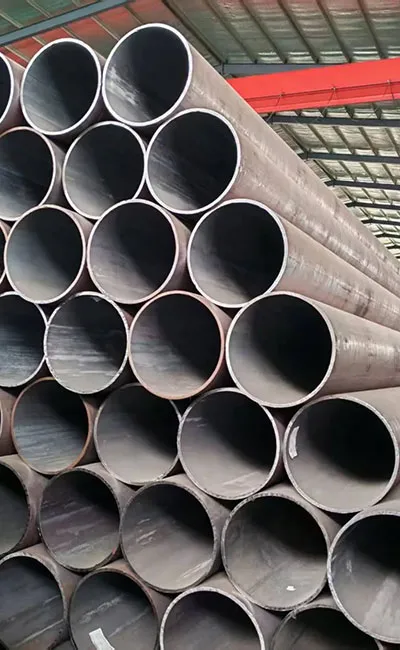

Buying carbon seamless steel pipe should start with the project specification, not the supplier's price list. A pipe may look competitive but still create problems if the steel grade, dimensions, testing, traceability, or documentation do not match the actual requirement. For international buyers, procurement also involves production lead time, export packing, transportation, and stock availability. A practical pre-purchase check should therefore cover the pipe itself, the supplier, and the complete delivery process.
The required tests should come from the applicable standard and purchase specification. For example, ASTM A106/A106M-26 includes tensile, bending, flattening, hydrostatic, and nondestructive electric testing requirements within its specification. A clear Inspection and Test Plan (ITP) helps define inspection stages and acceptance criteria.
Traceability connects the finished pipe to the original steel heat and production records. A typical chain is: Steel Heat → Billet → Production → Pipe → Inspection → MTC. Buyers should check that the heat number marked on the pipe corresponds with the material certificate and inspection records. This becomes especially important when an order contains multiple grades, sizes, or production batches.
A Material Test Certificate (MTC) should not simply be present—it should match the supplied pipe. Before acceptance, compare:
|
MTC Information |
Buyer Check |
|
Steel grade |
Matches purchase order |
|
Heat number |
Matches pipe marking |
|
Chemical analysis |
Meets specified grade |
|
Mechanical properties |
Meet applicable requirements |
|
Dimensions |
Match order |
|
Test results |
Required tests completed |
|
Standard |
Correct designation and revision |








 English
 Español
 русский язык
 Português