Buying
coated steel pipe is not simply a matter of comparing prices and selecting a pipe diameter. For an engineering project, the steel pipe, coating system, service environment, inspection requirements, and delivery conditions must all work together. A coating that is suitable for one pipeline may not be appropriate for another. Similarly, a technically compliant pipe can still create problems if the coating is poorly applied, damaged during transportation, or supplied without adequate inspection records. For procurement teams, checking the following points before placing an order can help reduce technical risk and avoid unexpected costs.
1. Confirm the Steel Pipe Specification
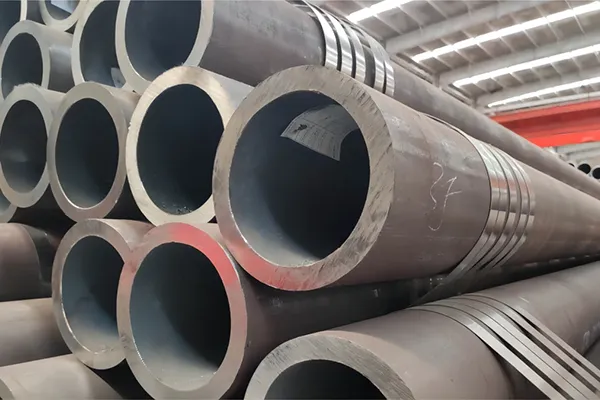
Start with the pipe itself before selecting the coating. The purchase specification should clearly define:
-
Steel grade
-
Pipe standard
-
Outside diameter
-
Wall thickness
-
Length
-
Seamless or welded manufacturing process
-
End finish
-
Mechanical and testing requirements
For example, an API 5L pipeline project may require a specific grade, manufacturing process, and supplementary requirements. A pipe with the correct diameter is not necessarily an acceptable substitute. The coating cannot compensate for an unsuitable pipe body.
2. Select the Coating for the Actual Service Environment
There is no universal coating for every application. Depending on the project, buyers may consider FBE, 2LPE, 3LPE, 3LPP, epoxy, polyurethane, or hot-dip galvanizing. For buried or submerged pipeline applications, plant-applied PE and PP systems are commonly specified. ISO 21809-1:2018 covers three-layer PE and PP external coatings for buried or submerged steel pipelines used in petroleum and natural gas transportation systems. A relevant 2026 update is ISO 21809-4:2026, which specifies requirements for plant-applied two-layer polyethylene coatings, including qualification, application, inspection, testing, handling, and storage. The coating choice should be based on corrosion exposure, soil or water conditions, operating temperature, mechanical damage risk, installation method, and expected service life.
3. Confirm the Operating Temperature
Temperature is easy to overlook during procurement but can directly affect coating performance. Before requesting a quotation, provide:
-
Normal operating temperature
-
Maximum operating temperature
-
Minimum operating temperature
-
Short-term temperature excursions, if applicable
The selected coating should be evaluated against the actual service temperature and the qualified application system. Do not select a coating simply because it is commonly used in the same industry.
4. Check Surface Preparation
A good coating starts with a properly prepared steel surface. Before coating, contaminants such as oil, grease, dust, rust, mill scale, and salts need to be controlled according to the applicable procedure. Ask the supplier:
-
What surface preparation method is used?
-
Which cleanliness requirement applies?
-
How is surface profile controlled?
-
How is contamination checked?
-
How soon after blasting is coating applied?
Poor surface preparation can reduce adhesion and contribute to premature coating deterioration. For this reason, surface preparation should be treated as part of the coating quality system rather than as a separate production step.
5. Define Coating Thickness and Inspection
“Coated” does not automatically mean “properly coated.” The purchase order should specify the required coating system, thickness, inspection method, acceptance criteria, and repair requirements. Depending on the project, inspection may include:
-
Visual inspection
-
Coating thickness measurement
-
Holiday/discontinuity detection
-
Adhesion testing
-
Impact or flexibility testing
-
Final coating integrity inspection
The exact tests should follow the applicable coating standard and project specification. For critical projects, buyers should request inspection records instead of relying only on a general statement such as “100% inspected.”
6. Understand Coating Repair Requirements
Minor coating damage can occur during handling, loading, transportation, or installation. Before purchasing, clarify:
What damage is acceptable?
Which repair materials are approved?
Who performs the repair?
How is the repaired area re-inspected?
A clear repair procedure helps prevent small transportation or installation defects from becoming larger corrosion-protection problems.
7. Review Documentation and Traceability
For engineering projects, documentation is part of the supply. Depending on project requirements, buyers may need:
-
Material Test Certificates
-
Coating inspection reports
-
Dimensional inspection records
-
Test reports
-
Traceability records
-
Certificates of compliance
-
Packing lists
-
Third-party inspection records
Pipe markings should also correspond with the supplied documentation so that the material can be traced back to its production and inspection records.
8. Evaluate the Supplier's Real Manufacturing Capability
Price is important, but it should not be the only supplier-selection criterion. Buyers should ask how the supplier manages the complete process:
Pipe manufacturing → surface preparation → coating → inspection → repair → packaging → export
A supplier should be able to explain the coating process, inspection methods, applicable standards, documentation, and handling procedures relevant to the project. It is also useful to distinguish between a steel pipe manufacturer, coating facility, and trading company. Where possible, buyers should verify which parts of the supply chain are performed directly by the supplier and which are subcontracted. This provides a clearer picture of production control and accountability.
9. Check Packaging, Transportation and Storage
Coating quality can be compromised after production if finished pipe is handled incorrectly. Before shipment, confirm how the pipe will be:
-
Bundled and separated
-
Protected from impact
-
Loaded and secured
-
Stored
-
Handled during unloading
For international shipments, packaging should be designed to reduce unnecessary abrasion and impact to the coating throughout transportation.










 English
 Español
 русский язык
 Português