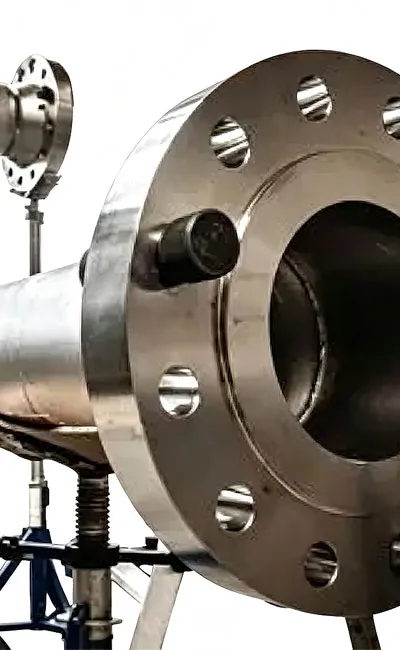
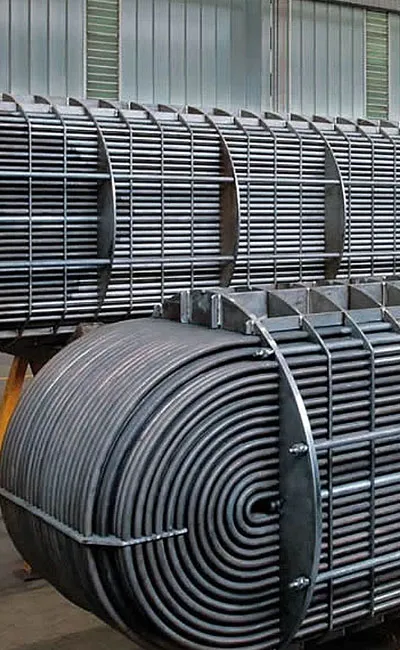
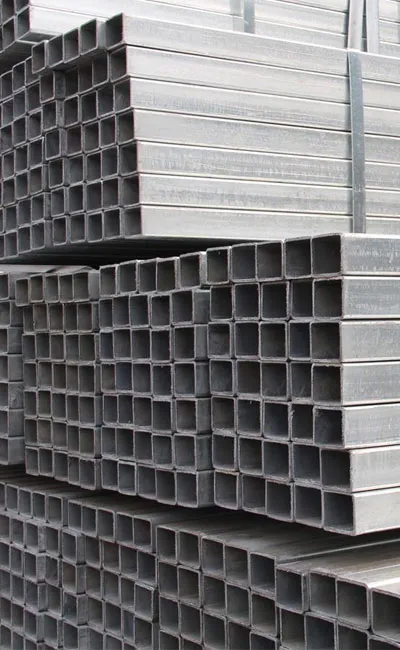
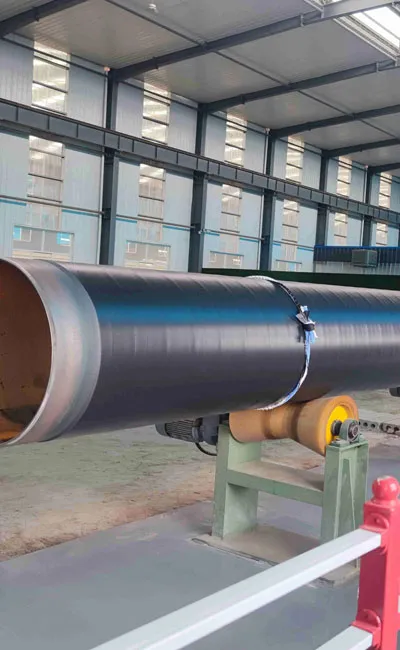
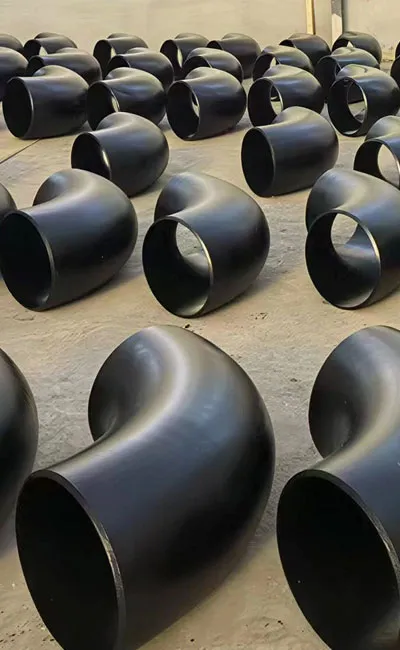
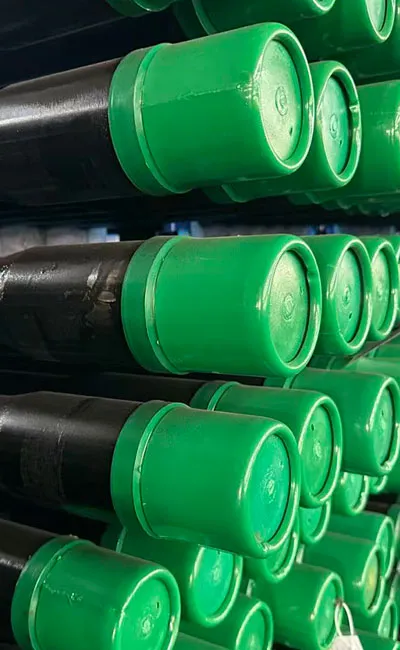
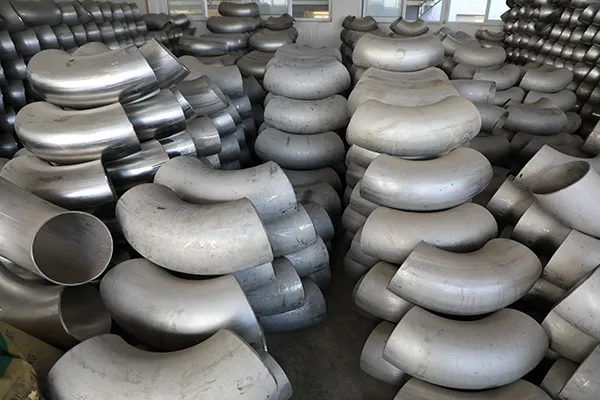
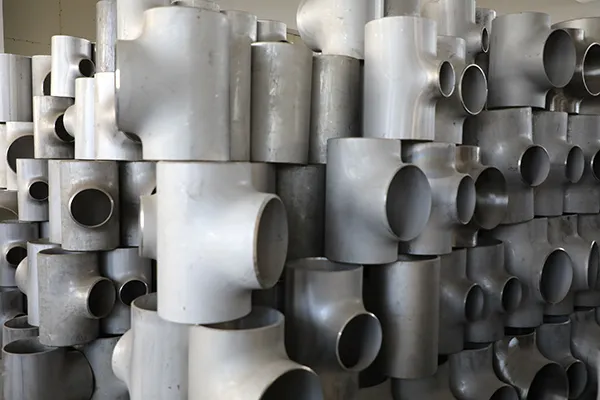
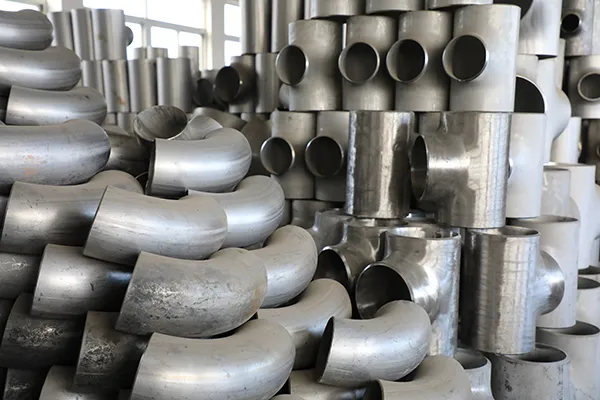
Hunan Great Steel Pipe Co., Ltd provides services that reduce total project cost and keep complex piping systems on schedule. Including Cutting, Rolling and Bending, Coating, Beveling, Threading, Welding and Assembly Forming.
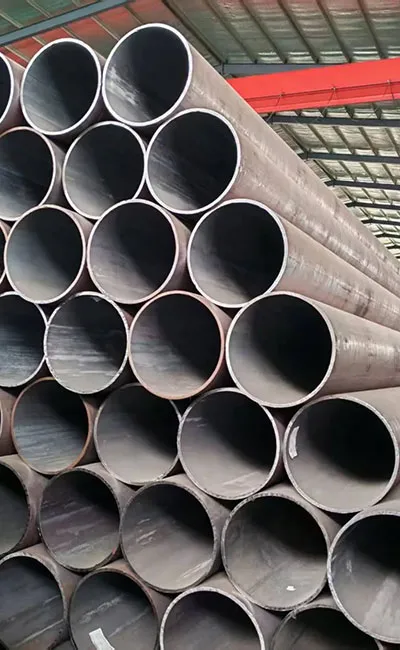
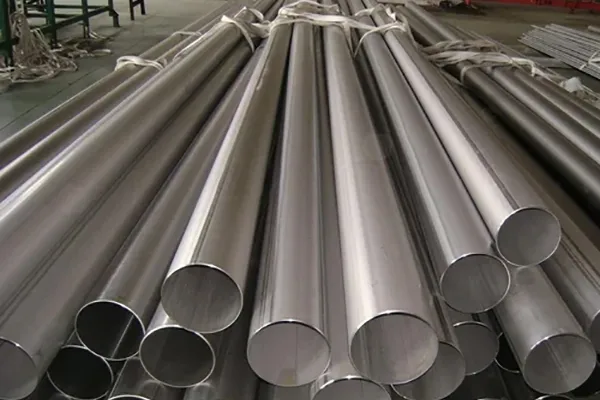
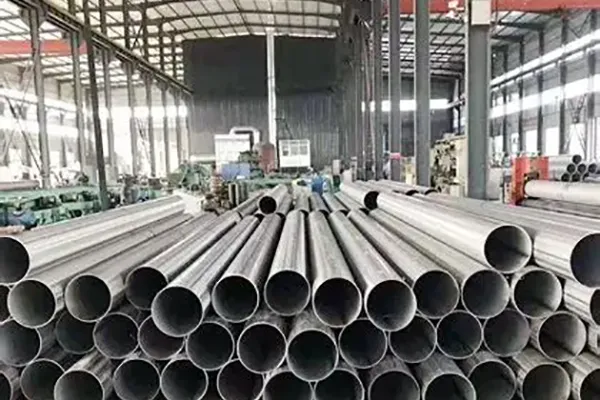
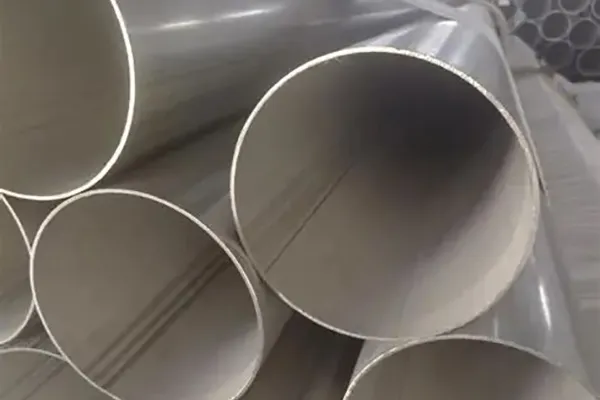
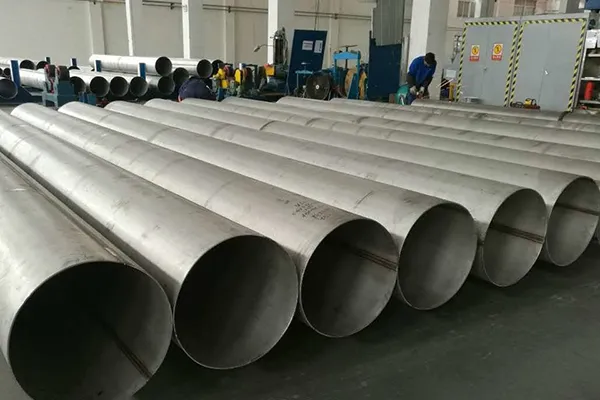
For global steel stockists and traders,profit hinges on seizing market bottom prices and fast delivery resources,This month,we launch an exclusive limited-time flash promotion for large diameter welded steel pipes,Unbeatable factory bottom prices,full specifications and ultra-fast shipment create a rare stocking chance you cannot miss,
Global maritime shipping instability and rising freight costs have greatly affected international steel trade in recent years,Many overseas orders are delayed or blocked due to complex logistics and regional uncertainties,To avoid market risks and create stable supply channels for global clients,we have adjusted our global trade strategy,We build overseas warehouse networks and set up a professional international procurement team to support steady order delivery,Focusing on long-term and stable development,we are actively following the Belt and Road Initiative and shifting our focus to Central Asian markets,These inland markets are less affected by sea shipping risks and have huge potential in energy and infrastructure construction,After long-term market cultivation,we have accumulated stable local client resources and rich project service experience in Central Asia,
Three ways to ensure smoothness as required when producing straight seam steel pipe1. Rolling mold: The general method of rolling mold is to press the glass powder into a glass mat
For alloy steel pipe used in boilers,power plants,refineries and other demanding industrial systems,quality control should cover the complete supply chain from raw material identification to final shipment,A pipe can meet the required outside diameter and wall thickness and still fail to satisfy the project specification if the material grade,heat treatment,mechanical properties or inspection records are incorrect,For buyers,effective quality control means verifying both the physical product and the evidence behind it,
Alloy steel pipe is used in industrial systems where the material must maintain reliable mechanical properties under demanding temperature and pressure conditions,Common applications include power plants,boilers,refineries,petrochemical facilities and high-temperature process piping,For these applications,pipe quality is determined by more than the alloy grade shown on the material certificate,The manufacturing route,heat treatment,dimensional control and inspection process all affect the final condition of the pipe,Understanding these stages helps engineers and buyers evaluate alloy steel pipe before it enters an industrial project,
Stainless welded steel pipe provides good corrosion resistance in many industrial applications,but stainless steel piping should not be treated as maintenance-free,Process fluids,deposits,contamination,mechanical stress,temperature changes and operating conditions can all affect piping performance,A practical maintenance program helps identify deterioration before it develops into leakage,unplanned shutdowns or costly replacement work,
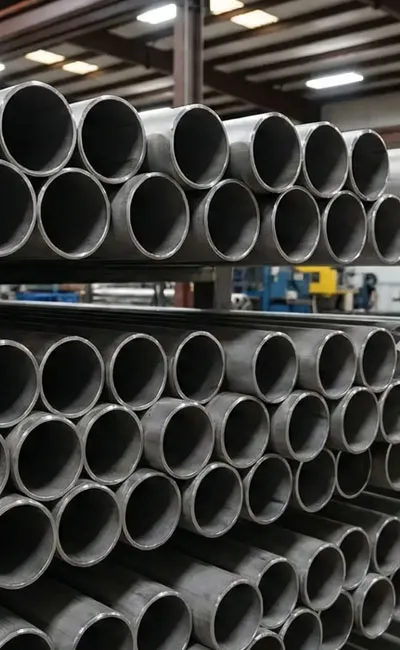
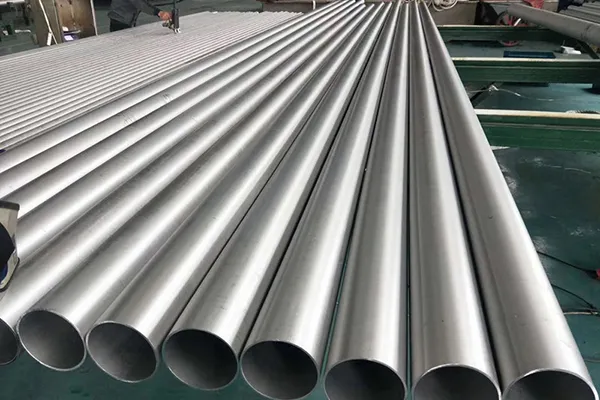
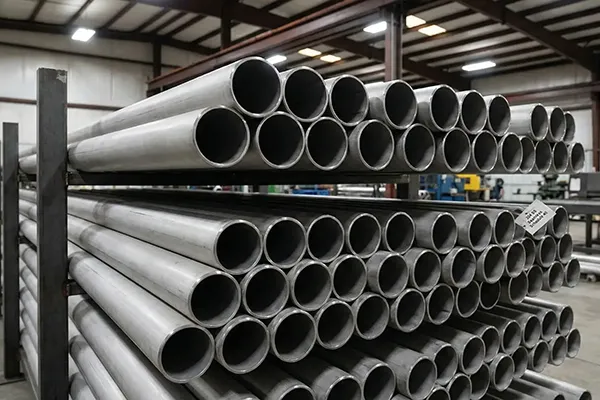
Choosing stainless welded steel pipe for an industrial project involves more than selecting a grade and size,The pipe must match the service conditions,applicable standard,dimensional requirements,inspection level and delivery requirements,A clear specification at the purchasing stage can help avoid material mismatches,additional inspection costs and installation problems later,
Quality control for stainless welded steel pipe should begin with the incoming material and continue through forming,welding,sizing,finishing and final inspection,For project procurement,checking only the finished pipe is not enough,A reliable inspection process should confirm that the supplied pipe matches the agreed material grade,dimensions,manufacturing requirements,testing requirements and documentation,The exact inspection plan depends on the applicable product standard and purchase specification,For example,ASTM A312 covers straight-seam welded austenitic stainless steel pipe and specifies requirements for chemical composition,mechanical properties and applicable testing,
Stainless welded steel pipe is widely used in industrial systems because stainless steel provides good corrosion resistance in many service environments,However,stainless steel is not corrosion-proof,Chlorides,deposits,contamination,unsuitable material selection,poor fabrication practices and aggressive operating conditions can all create corrosion risks,For this reason,preventing stainless welded steel pipe corrosion starts before installation and continues throughout the service life of the system,
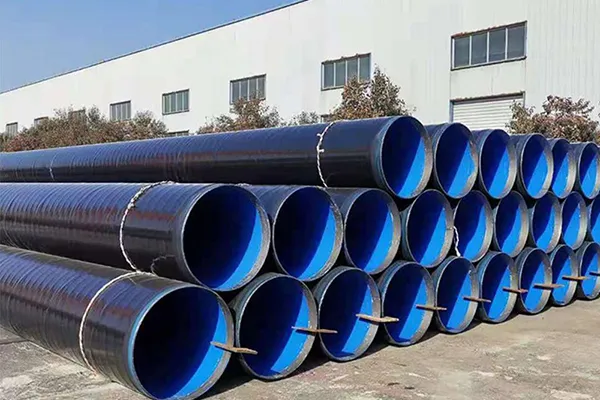
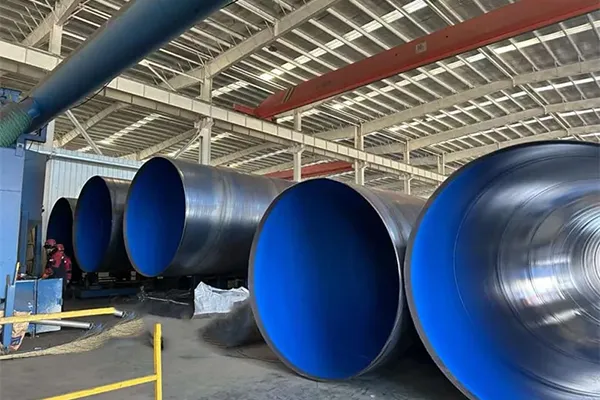
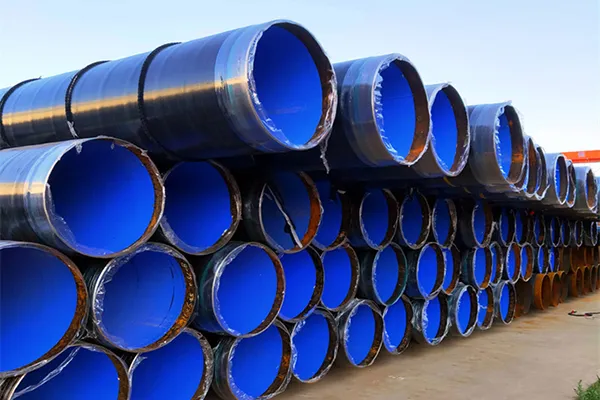
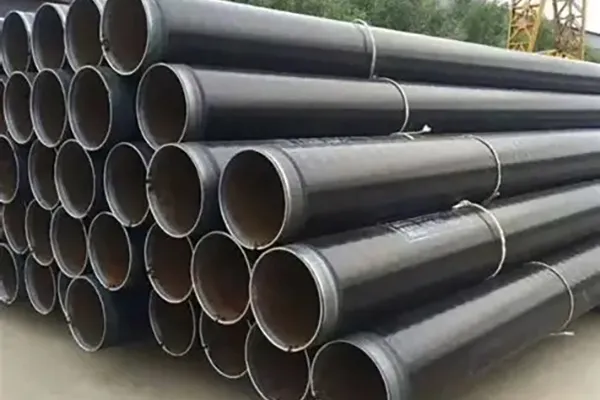
3PE anti corrosion steel pipe is widely used to reduce external corrosion risk in buried and submerged pipeline applications,The system combines a fusion-bonded epoxy layer,adhesive layer,and polyethylene outer layer to protect the steel pipe from its surrounding environment,ISO 21809-1:2018 specifies requirements for plant-applied three-layer polyethylene and polypropylene coatings for relevant pipeline transportation systems,although project specifications may define additional requirements,However,3PE coating performance depends on more than the coating material itself,Problems can occur during surface preparation,coating application,transportation,installation,field joint coating,or pipeline operation,Identifying these risks early helps project teams prevent coating failure and unnecessary repair,
Choosing the right 3PE anti corrosion steel pipe is not simply a matter of selecting a pipe with a polyethylene outer layer,For buried pipelines,water transmission systems,oil and gas transportation,and industrial infrastructure,the pipe and coating system need to match the operating environment,installation conditions,technical specification,and inspection requirements,A clear selection process helps buyers reduce coating-related risks before the pipe reaches the jobsite,
3PE anti corrosion steel pipe is widely used for buried and submerged pipeline systems because its external coating helps protect the steel substrate from moisture,soil,and other external corrosion risks,However,a good-looking coating does not necessarily mean a qualified coating system,Surface preparation,coating thickness,adhesion,continuity,pipe-end condition,repair,and documentation all need to be controlled,For this reason,3PE quality control should cover the complete production and inspection process rather than relying on final visual appearance alone,
3PE anti corrosion steel pipe is widely used for buried pipelines,water transmission,oil and gas transportation,and infrastructure projects where steel pipes are exposed to moisture,soil,salts,and other external corrosion risks,A 3PE coating is more than a polyethylene outer layer,Its performance depends on the condition of the steel surface,the fusion-bonded epoxy (FBE) primer,the adhesive layer,the polyethylene outer layer,and the inspection performed throughout production,Understanding the manufacturing process helps engineers and buyers evaluate 3PE coated steel pipe before placing an order,
Stainless seamless steel pipe is often selected for its corrosion resistance and long service potential,but it still requires proper maintenance after installation,Maintenance is not simply about replacing pipe when damage appears,A better approach is to monitor the pipe,control avoidable risks,and identify changes before they develop into leakage,wall loss,or more serious system problems,
Corrosion is a major consideration when selecting piping for chemical processing,water treatment,marine service,and other industrial systems,Stainless seamless steel pipe can provide reliable corrosion resistance,but stainless steel is not immune to every corrosive condition,The correct selection depends on the process fluid,temperature,chemical concentration,material grade,piping design,and inspection requirements,
We use cookies and other tracking technologies to improve your browsing experience on our website, to show you personalized content and targeted ads, to analyze our website traffic, and to understand where our visitors are coming from.








 English
 Español
 русский язык
 Português