Product News

Hunan Great Steel Pipe Co., Ltd
3PE anti corrosion steel pipe,3PE coated steel pipe,3PE coating problems,3PE pipe corrosion protection

What Are the Common Problems With 3PE Anti Corrosion Steel Pipe

Date: 2026-09-17
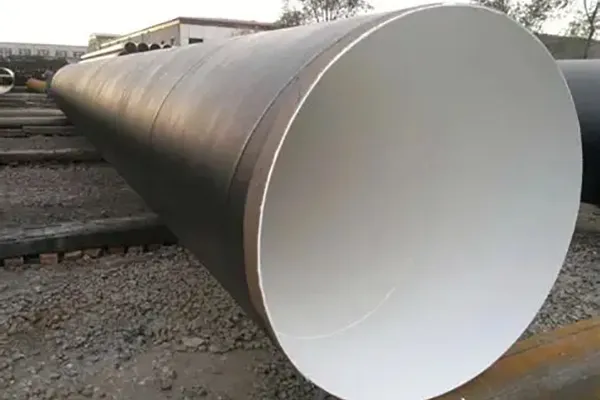
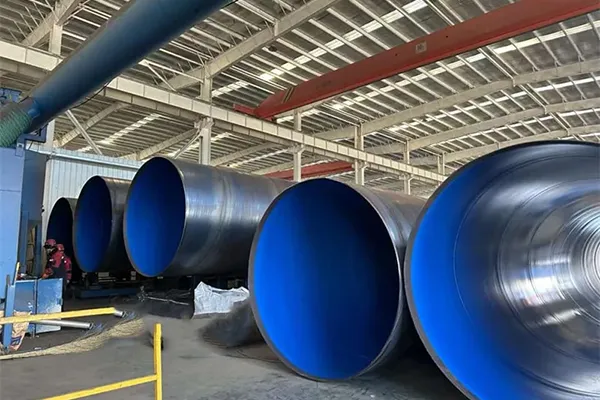
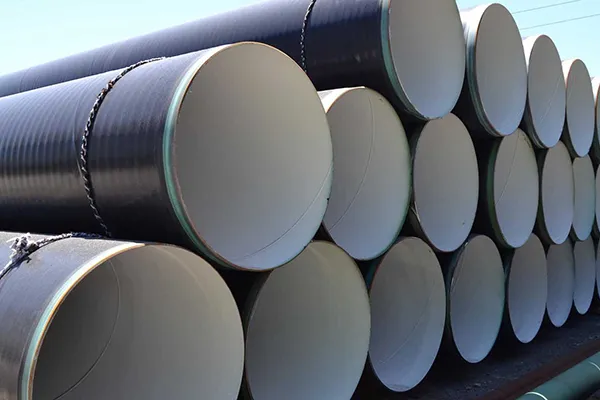
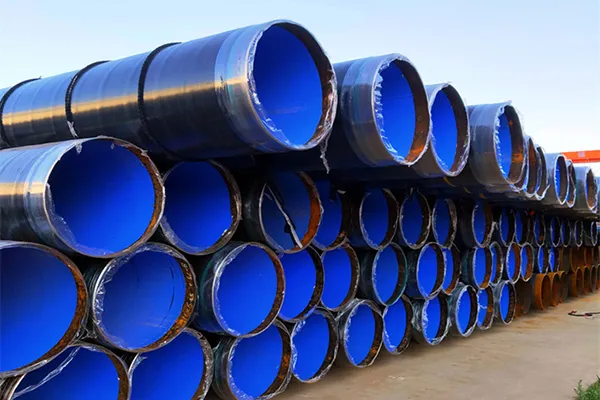
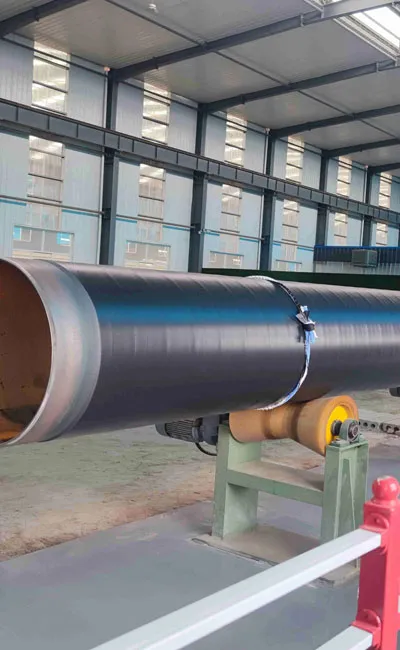
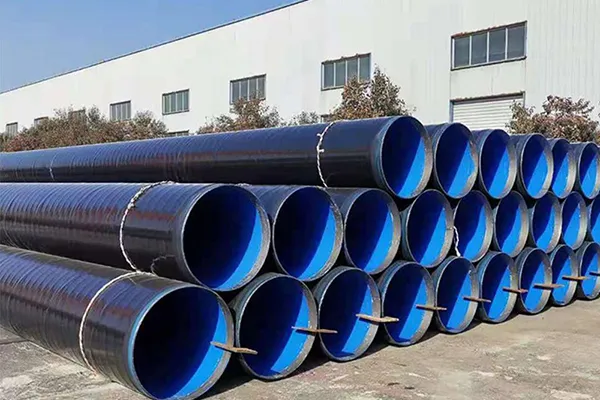
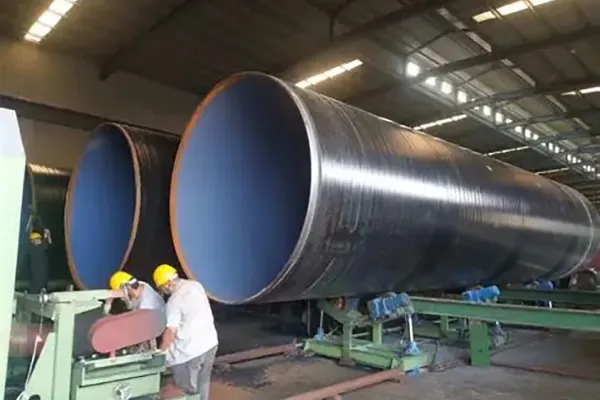
3PE anti corrosion steel pipe is widely used to reduce external corrosion risk in buried and submerged pipeline applications. The system combines a fusion-bonded epoxy layer, adhesive layer, and polyethylene outer layer to protect the steel pipe from its surrounding environment. ISO 21809-1:2018 specifies requirements for plant-applied three-layer polyethylene and polypropylene coatings for relevant pipeline transportation systems, although project specifications may define additional requirements. However, 3PE coating performance depends on more than the coating material itself. Problems can occur during surface preparation, coating application, transportation, installation, field joint coating, or pipeline operation. Identifying these risks early helps project teams prevent coating failure and unnecessary repair.

1. Coating Discontinuities

Holidays, pinholes, and other coating discontinuities can expose the steel surface to the surrounding environment. For buried pipelines, an untreated defect may become a localized corrosion initiation point if moisture and other corrosive elements reach the exposed steel. Holiday detection and other coating inspections are therefore important when required by the applicable project specification.


2. Poor Coating Adhesion

A 3PE system depends on proper bonding between the prepared steel surface, fusion-bonded epoxy, adhesive layer, and polyethylene outer layer. Poor surface preparation, contamination, unsuitable process conditions, or incorrect application can affect adhesion between the coating and substrate or between individual layers. Depending on the applicable specification, adhesion or peel testing may be used to evaluate coating performance.

3. Mechanical Damage During Handling and Installation

A coating that passes factory inspection can still be damaged later. Potential causes include:
  • Loading and unloading
  • Transportation
  • Stacking
  • Lifting
  • Trenching
  • Lowering-in
  • Backfilling
  • Contact with construction equipment
For this reason, coating protection should continue after factory inspection. The coating should be checked for visible damage and other specified defects before backfilling or placing the pipeline into service.


4. Field Joint Coating Problems

Factory-applied 3PE coating does not automatically protect areas exposed during field welding. After pipe sections are welded together, the field joint requires an appropriate coating system. Poor surface preparation, incompatible materials, improper application, or inadequate inspection can create weak points in the external corrosion protection system. Field joint protection should therefore be treated as part of the complete pipeline corrosion-control system. AMPP's current underground and submerged piping guidance also identifies field joint coatings as part of external corrosion control.

5. Coating Damage and Moisture Ingress

Soil, groundwater, salts, and other environmental factors can increase external corrosion risk when the steel surface is no longer adequately protected. The presence of soil or water alone does not mean that a 3PE system has failed. The key concern is whether the protective coating has been damaged, degraded, or improperly repaired. This is particularly important for buried pipelines because coating defects may become difficult to access after backfilling.

6. Cathodic Protection Performance Issues

Where cathodic protection is included in the pipeline corrosion-control system, its performance should be monitored according to the approved operating procedure and project requirements. Unexpected changes in the protection system may indicate a condition that requires investigation. 3PE coating and cathodic protection can work together as complementary corrosion-control measures. ISO 21809-1:2018 specifically notes that pipes coated under the standard are considered suitable for further protection by cathodic protection, while AMPP also describes coatings and cathodic protection as complementary approaches.

7. Incorrect Coating Repair

Not every repair method is suitable for every 3PE coating system. Using incompatible repair materials, inadequate surface preparation, or an unsuitable repair procedure can reduce the effectiveness of the protective system. When coating damage is identified, the repair method should follow the applicable project specification, approved repair procedure, and requirements for the coating system.

How Can Common 3PE Problems Be Prevented?

A practical prevention strategy should cover the complete pipeline lifecycle:
Before coating: Confirm steel pipe quality and control surface preparation.
During coating: Control the application of each coating layer and verify the required properties.
Before shipment: Complete required inspection, repair, and documentation.
During installation: Protect the coating during handling and inspect for damage before backfilling.
During operation: Monitor the corrosion-control system and investigate identified abnormalities.

This approach connects manufacturing quality with transportation, installation, field joint protection, and long-term maintenance.


How Does Proper Selection Reduce 3PE Problems?

Problem prevention starts before production. The steel pipe specification, coating system, application environment, installation method, inspection requirements, and field joint requirements should be defined according to the project. Selecting a coating only by price can create additional risks if the system does not match the actual service conditions.


When Does Coating Damage Require Engineering Evaluation?

Coating damage does not automatically mean that a pipe section must be replaced. The appropriate response depends on the location, extent of damage, coating condition, underlying steel condition, and applicable repair requirements. If significant coating damage or unacceptable wall loss is identified, an engineering assessment may be required to determine whether repair, further inspection, or replacement is appropriate. For urgent projects, buyers should also confirm whether the required 3PE pipe specification is available from stock or requires new production.


What Should Buyers Check Before Ordering 3PE Steel Pipe?

Before placing an order, buyers should confirm:
  • Steel pipe grade and standard
  • Outside diameter and wall thickness
  • 3PE coating requirements
  • Surface preparation requirements
  • Inspection and testing scope
  • Field joint requirements
  • Repair requirements
  • Documentation and traceability
  • Packaging and transportation requirements
  • Production lead time or availability
At Hunan Great Steel Pipe, 3PE steel pipe requirements can be coordinated around pipe specifications, coating requirements, inspection, documentation, and project delivery conditions. Our steel pipe products are supplied to customers in more than 80 countries, supporting international buyers across different pipeline applications.

FAQ

Q1: What is the most common problem with 3PE coating?
A1: Common problems include coating discontinuities, poor adhesion, mechanical damage, field joint defects, and improper repairs. The actual risk depends on manufacturing, installation, environmental, and operating conditions.
Q2: Can damaged 3PE coating be repaired?
A2: In many cases, coating damage can be repaired if it falls within the applicable repair criteria. The repair method should follow the approved project procedure and coating requirements.
Q3: Why do field joints need separate coating?
A3: Field welding exposes the pipe surface at the joint area. Factory-applied 3PE coating therefore needs to be supplemented with an appropriate field-applied coating system after welding.
Q4: Does 3PE prevent all pipeline corrosion?
A4: No. 3PE reduces external corrosion risk but does not eliminate every possible corrosion mechanism. Coating condition, environment, installation quality, inspection, and other corrosion-control measures affect pipeline integrity.
Q5: Does 3PE replace cathodic protection?
A5: Not necessarily. Where cathodic protection is included in the pipeline design, it can work together with the external coating system as part of the overall corrosion-control strategy.
Q6: What should be done when coating damage is found?
A6: The damage should be assessed according to the applicable project requirements. If repair is necessary, the damaged area should be repaired using an approved and compatible procedure, followed by the required inspection.


Latest news list

  • 3PE anti corrosion steel pipe,3PE coated steel pipe,buy 3PE steel pipe,3PE steel pipe supplier
    Buying 3PE anti corrosion steel pipe from an overseas supplier involves more than comparing prices per ton,For EPC contractors,project owners,distributors,pipeline contractors,and international traders,a successful purchase depends on matching the steel pipe specification,coating requirements,inspection scope,documentation,packaging,and delivery schedule,A clear procurement process helps reduce specification misunderstandings,coating damage,inspection delays,and unexpected costs,
  • 3PE coated steel pipe maintenance,3PE coating repair,pipeline corrosion protection,buried pipeline maintenance
    3PE anti corrosion steel pipe is designed to reduce external corrosion risk,particularly in buried and submerged pipeline applications,However,a high-quality factory-applied coating does not remove the need for inspection,monitoring,and maintenance after installation,Pipeline conditions can change over time,Coating damage may also occur during installation,excavation,third-party activities,or other maintenance work,A preventive maintenance program helps operators identify potential problems before they develop into more serious pipeline integrity issues,
  • 3PE anti corrosion steel pipe,3PE coated steel pipe,3PE steel pipe selection,3PE coating specification
    Choosing the right 3PE anti corrosion steel pipe is not simply a matter of selecting a pipe with a polyethylene outer layer,For buried pipelines,water transmission systems,oil and gas transportation,and industrial infrastructure,the pipe and coating system need to match the operating environment,installation conditions,technical specification,and inspection requirements,A clear selection process helps buyers reduce coating-related risks before the pipe reaches the jobsite,
  • 3PE anti corrosion steel pipe,3PE coated steel pipe,pipeline corrosion protection,3PE coating layer
    External corrosion is an important consideration for steel pipelines exposed to soil,moisture,salts,groundwater,and other aggressive conditions,For long-distance and buried pipelines,corrosion protection should not be treated as a maintenance issue alone,It needs to be considered from pipeline design and procurement through coating application,installation,and operation,3PE anti corrosion steel pipe provides a multilayer external barrier that helps reduce the steel surface's exposure to the surrounding environment,However,its effectiveness depends on coating quality,installation practices,field joint protection,and the overall corrosion-control strategy,
  • 3PE anti corrosion steel pipe,3PE coating quality control,3PE coating inspection,3PE steel pipe quality
    3PE anti corrosion steel pipe is widely used for buried and submerged pipeline systems because its external coating helps protect the steel substrate from moisture,soil,and other external corrosion risks,However,a good-looking coating does not necessarily mean a qualified coating system,Surface preparation,coating thickness,adhesion,continuity,pipe-end condition,repair,and documentation all need to be controlled,For this reason,3PE quality control should cover the complete production and inspection process rather than relying on final visual appearance alone,

Find what you need ?

close
We use cookies and other tracking technologies to improve your browsing experience on our website, to show you personalized content and targeted ads, to analyze our website traffic, and to understand where our visitors are coming from.