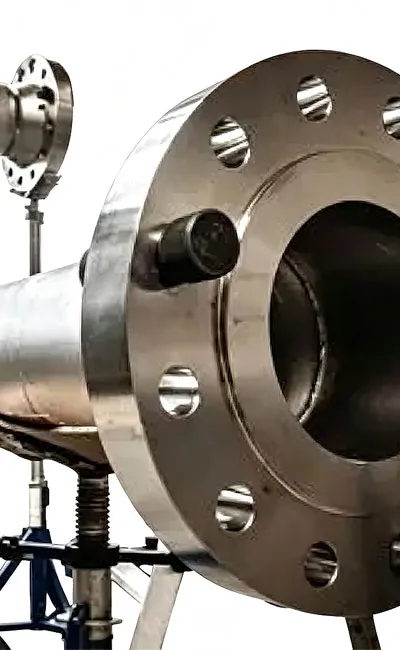
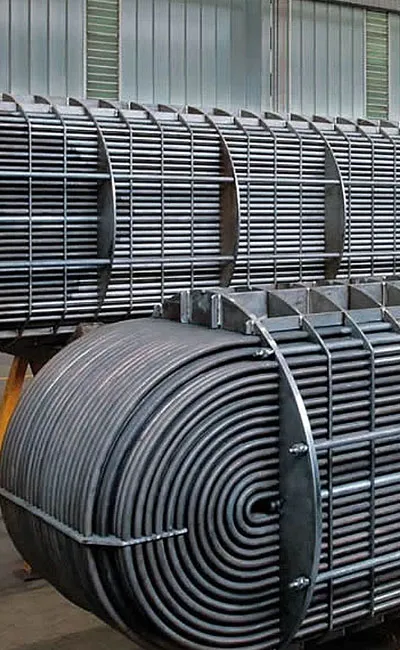
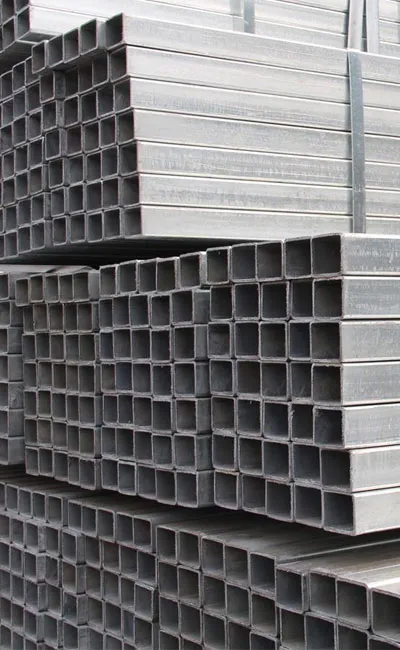
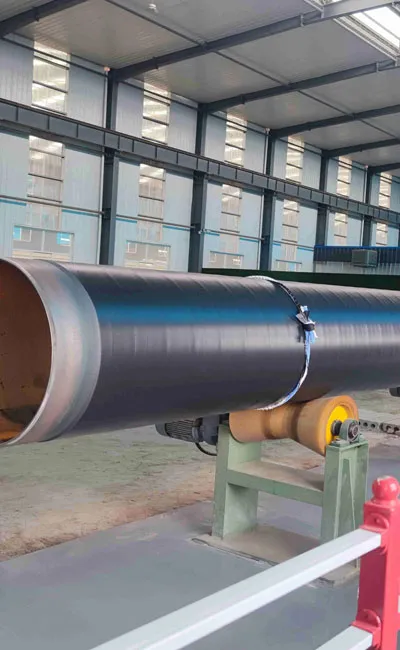
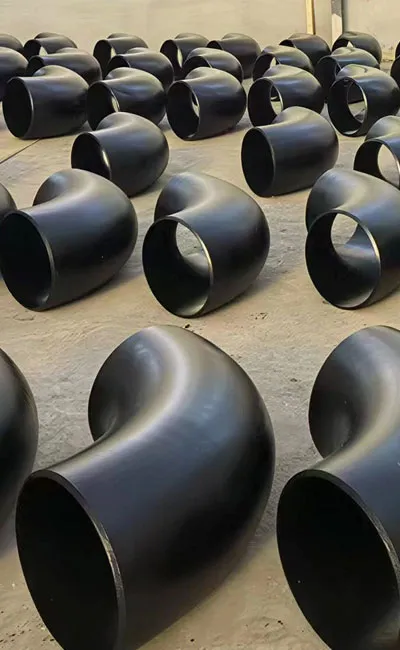
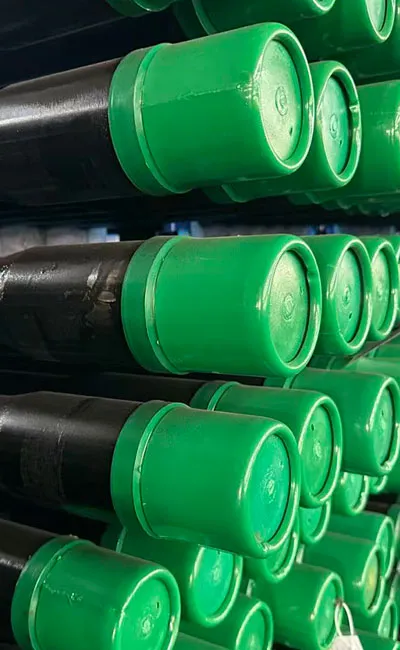
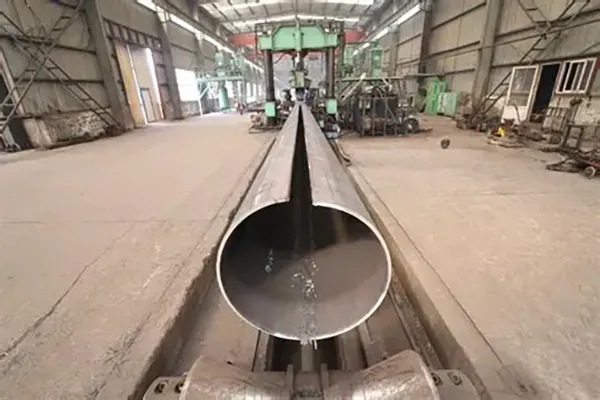
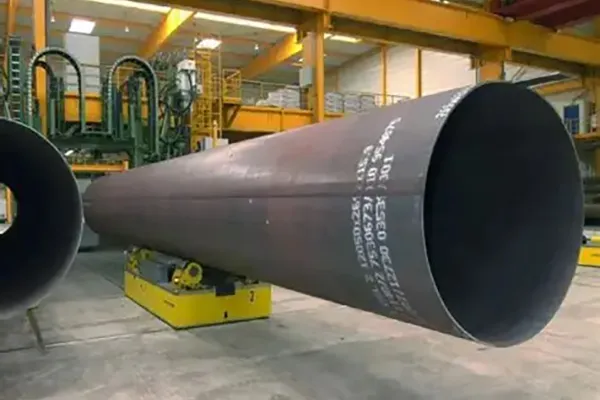
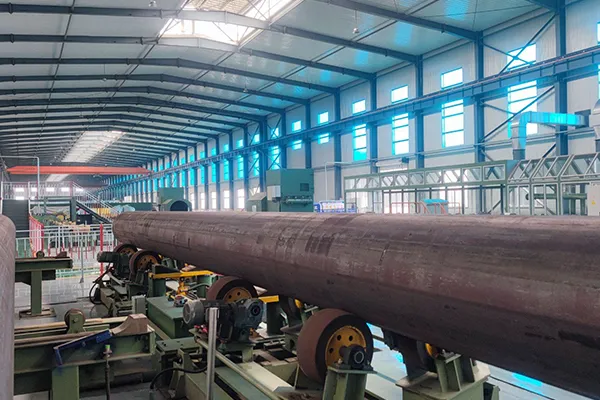
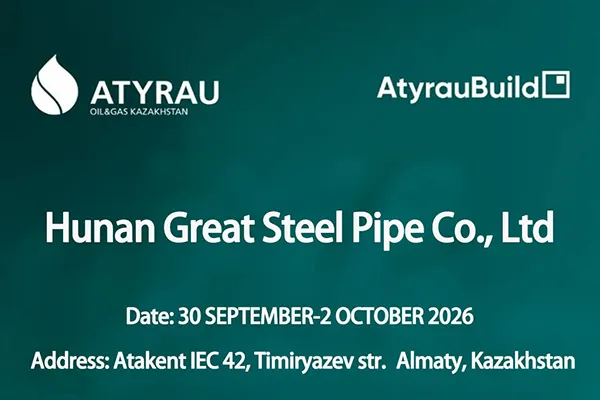
Hunan Great Steel Pipe Co., Ltd provides services that reduce total project cost and keep complex piping systems on schedule. Including Cutting, Rolling and Bending, Coating, Beveling, Threading, Welding and Assembly Forming.
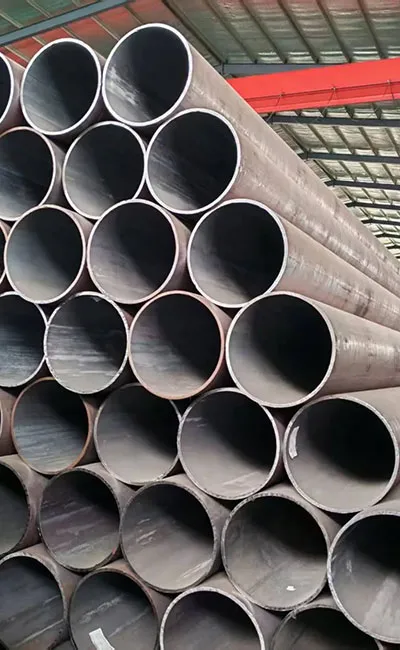
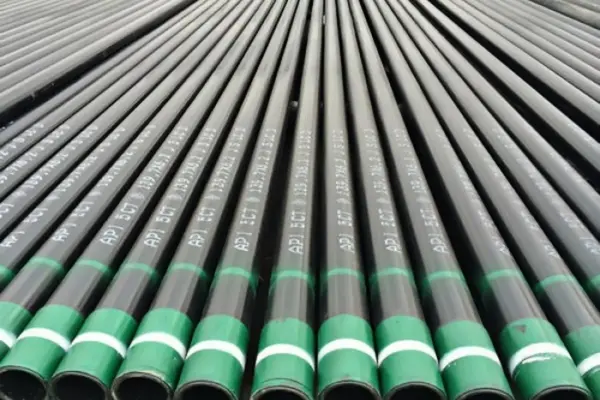
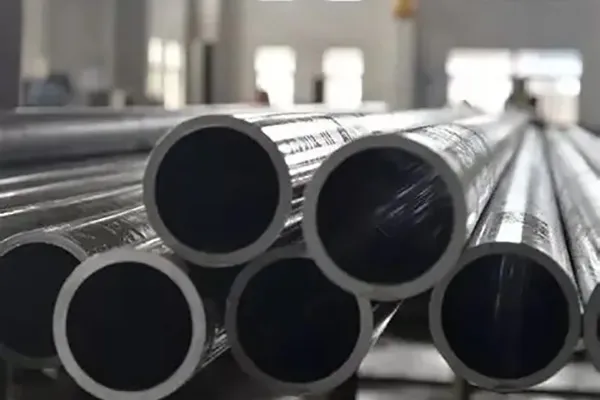
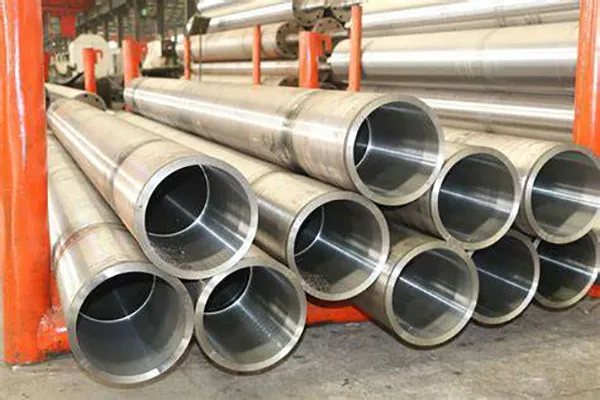
For global steel stockists and traders,profit hinges on seizing market bottom prices and fast delivery resources,This month,we launch an exclusive limited-time flash promotion for large diameter welded steel pipes,Unbeatable factory bottom prices,full specifications and ultra-fast shipment create a rare stocking chance you cannot miss,
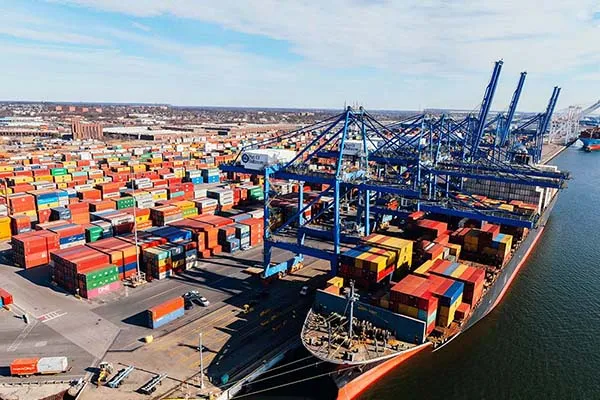
Global maritime shipping instability and rising freight costs have greatly affected international steel trade in recent years,Many overseas orders are delayed or blocked due to complex logistics and regional uncertainties,To avoid market risks and create stable supply channels for global clients,we have adjusted our global trade strategy,We build overseas warehouse networks and set up a professional international procurement team to support steady order delivery,Focusing on long-term and stable development,we are actively following the Belt and Road Initiative and shifting our focus to Central Asian markets,These inland markets are less affected by sea shipping risks and have huge potential in energy and infrastructure construction,After long-term market cultivation,we have accumulated stable local client resources and rich project service experience in Central Asia,
Three ways to ensure smoothness as required when producing straight seam steel pipe1. Rolling mold: The general method of rolling mold is to press the glass powder into a glass mat
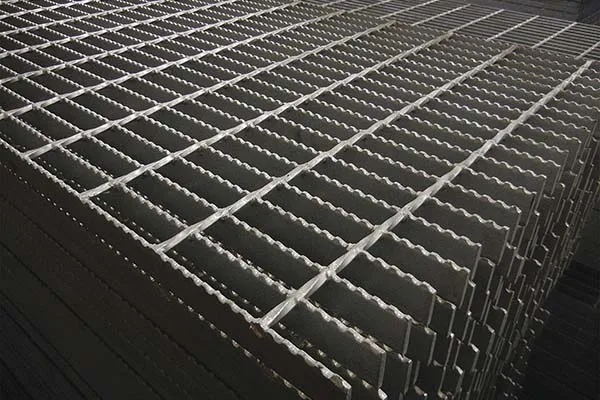
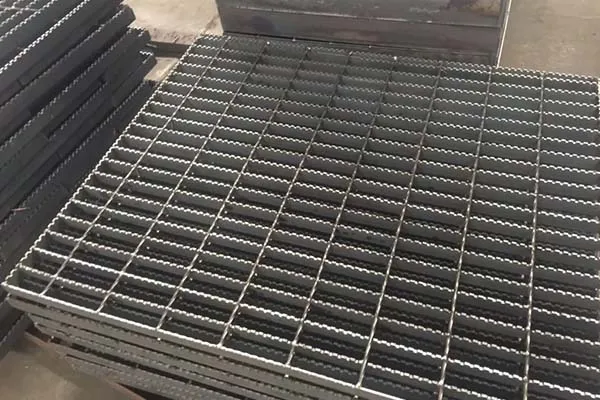
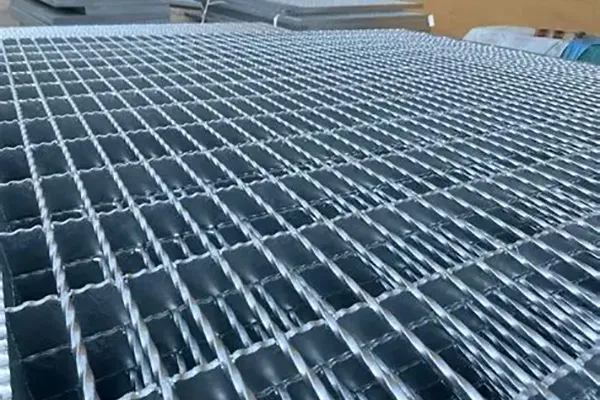
Hunan Great Steel Pipe Co,,Ltd,recently completed the production and shipment of customized steel grating for an overseas industrial project,The delivery included galvanized steel grating panels manufactured according to the customer's platform and walkway requirements,demonstrating the company's experience in steel fabrication,quality control,and international export services,
Selecting the right steel grating is only the first step toward building a safe and reliable platform,walkway,or drainage system,Even high-quality grating manufactured to recognized industry standards can underperform if it is installed incorrectly or maintained improperly,
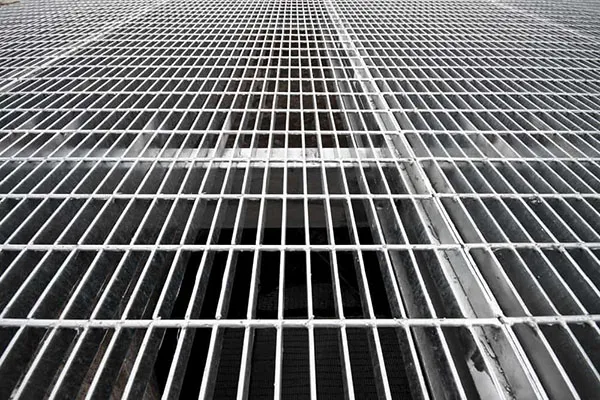
Steel grating is widely used in industrial walkways,maintenance platforms,stair treads,drainage covers,offshore facilities,and commercial buildings,While these products may appear similar,their performance varies significantly depending on how they are manufactured,the material used,and the environment in which they operate,
Steel grating is widely used in industrial platforms,walkways,drainage systems,stair treads,and offshore facilities,However,selecting the right grating involves much more than choosing a standard panel size,Factors such as load capacity,installation environment,material,and surface treatment all influence structural performance,maintenance costs,and service life,
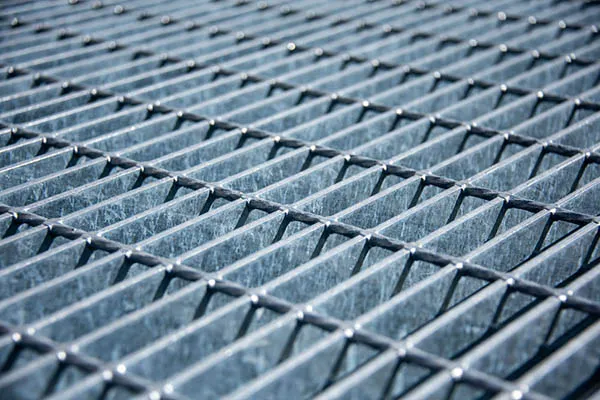
Steel grating is manufactured by cutting and preparing bearing bars and cross bars,assembling them through pressure welding,press-locking,or manual welding,followed by edge banding,hot-dip galvanizing,dimensional inspection,and packaging,Every production stage influences structural strength,corrosion resistance,installation accuracy,and long-term service performance,making manufacturing quality one of the most important factors when selecting steel grating for industrial projects,
Steel grating is a workhorse material across industrial platforms,walkways,drainage covers,stair treads,offshore facilities,power plants,and chemical processing units,Its strength,open-area drainage,and slip resistance make it indispensable,Yet even grating that meets every manufacturing standard can underperform—or fail entirely—when installation practices are overlooked,
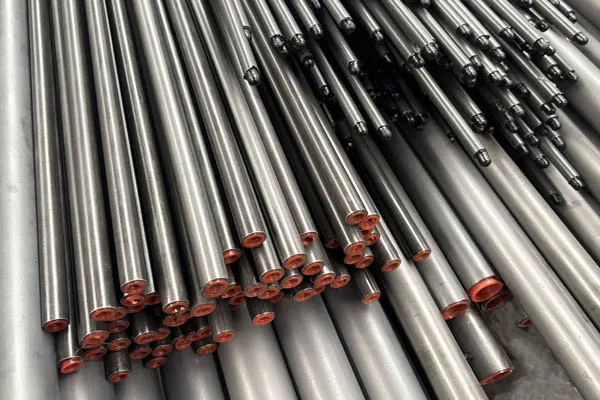
Hydraulic steel pipes are manufactured to deliver reliable performance under demanding pressure conditions,but their service life depends just as much on correct installation as on product quality,Improper storage,contamination,incorrect bending,or poorly installed fittings can all lead to leakage,pressure loss,and premature component failure,This guide outlines the essential installation practices that help engineers and maintenance teams improve hydraulic system reliability from the very beginning,
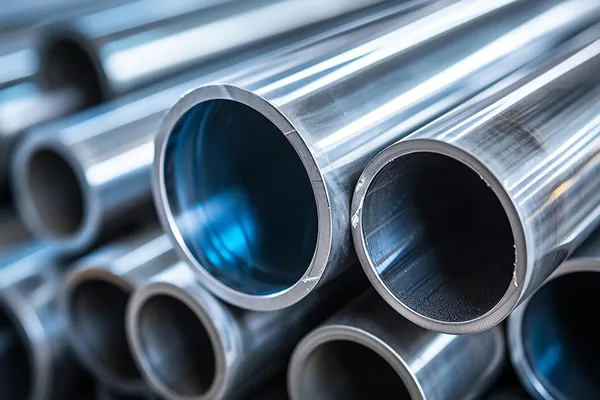
Hydraulic steel pipes are engineered to deliver precise dimensions,clean internal surfaces,and dependable pressure performance,However,quality issues can still arise during raw material preparation,manufacturing,storage,or transportation,Even a minor defect may lead to leakage,accelerated seal wear,hydraulic contamination,or unexpected equipment downtime,
Hydraulic steel pipes are designed to operate under demanding conditions,but reliable long-term performance depends on more than selecting the correct material grade,Operating pressure,temperature,vibration,corrosion exposure,installation quality,and maintenance practices all influence service life,In many field applications,failures are caused not by defective materials but by mismatched operating conditions or improper installation,This guide explains how different environments affect hydraulic steel pipes and outlines practical measures that help improve system reliability while reducing maintenance costs,
Hydraulic steel pipe quality control is a closed-loop process that starts with raw material verification and follows every tube through cold drawing,heat treatment,dimensional gauging,non-destructive testing,and final documentation review,This systematic approach ensures the finished tube can handle real-world pressure spikes without failure,Here’s how it works,and what buyers should verify before placing an order,
Hydraulic systems power everything from excavators and agricultural machinery to injection molding equipment and industrial automation,While pumps,valves,and cylinders often receive the most attention,the hydraulic steel pipe is equally critical,It serves as the pathway that delivers pressurized hydraulic fluid safely and efficiently throughout the system,
For hydraulic equipment manufacturers and engineering contractors across Central Asia,material availability can directly influence production schedules and project completion,While international sourcing remains essential for many steel products,long transportation cycles and customs procedures may extend delivery times for urgently needed hydraulic tubes,
We use cookies and other tracking technologies to improve your browsing experience on our website, to show you personalized content and targeted ads, to analyze our website traffic, and to understand where our visitors are coming from.










 English
 Español
 русский язык
 Português