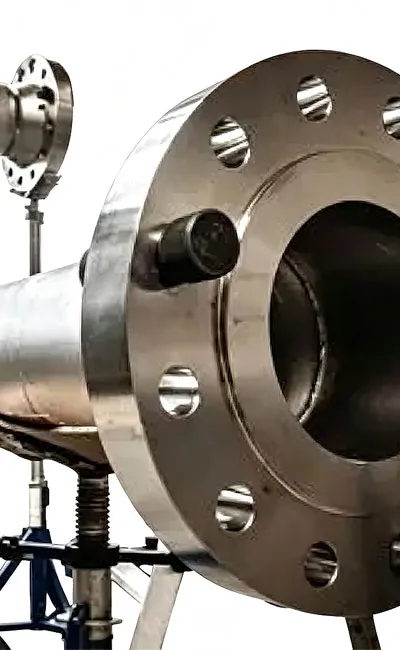
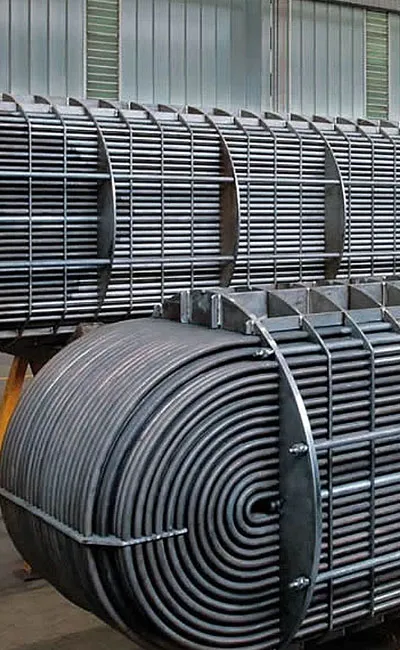
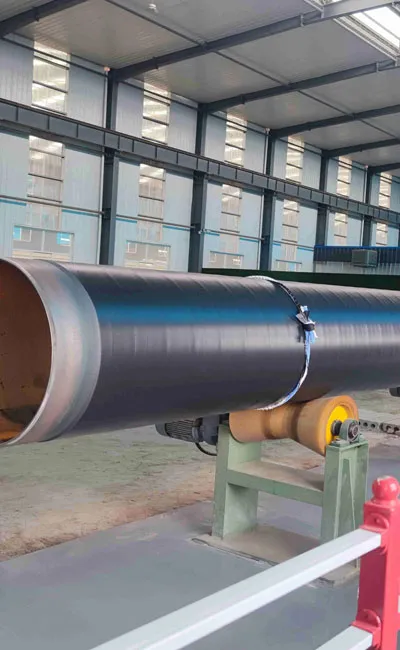
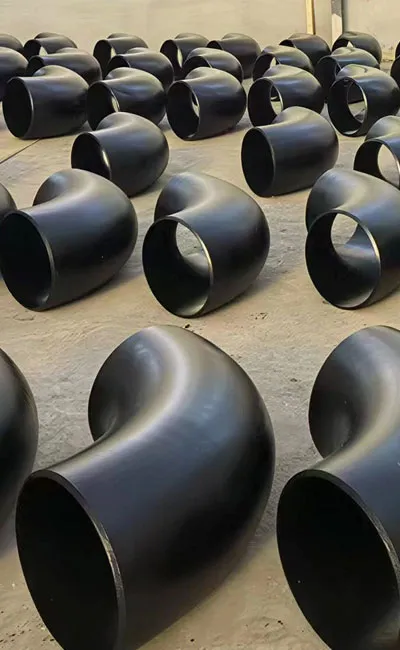
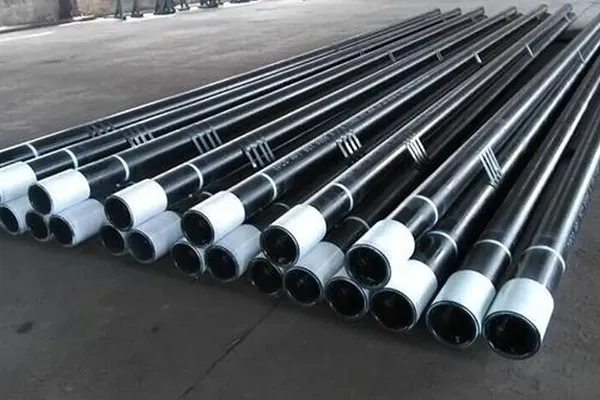
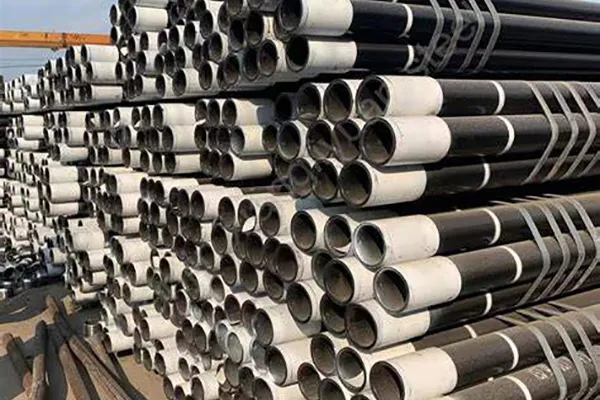
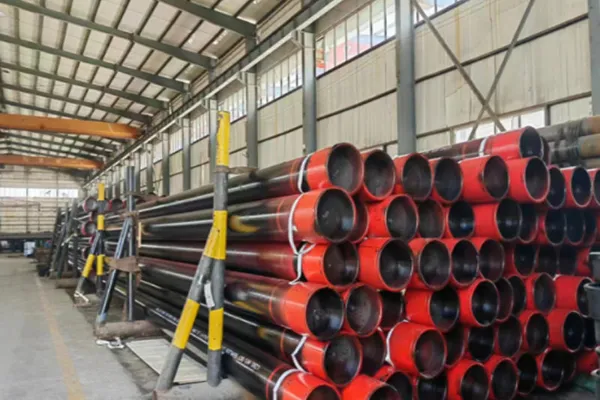
Hunan Great Steel Pipe Co., Ltd provides services that reduce total project cost and keep complex piping systems on schedule. Including Cutting, Rolling and Bending, Coating, Beveling, Threading, Welding and Assembly Forming.
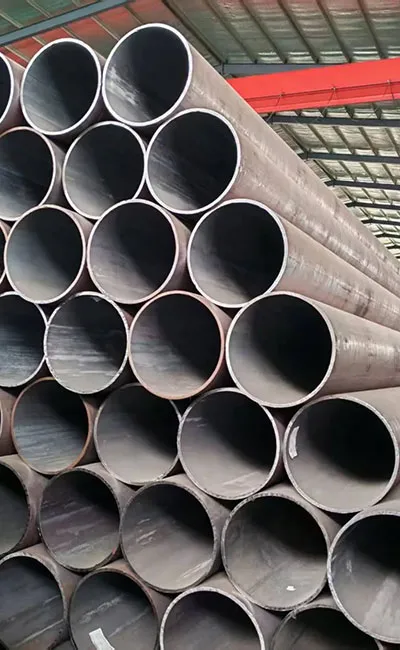
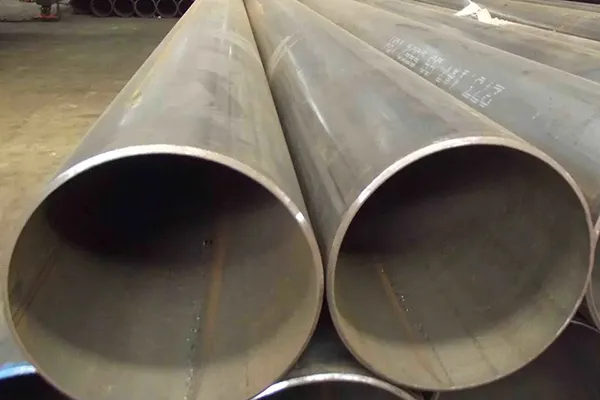
For global steel stockists and traders,profit hinges on seizing market bottom prices and fast delivery resources,This month,we launch an exclusive limited-time flash promotion for large diameter welded steel pipes,Unbeatable factory bottom prices,full specifications and ultra-fast shipment create a rare stocking chance you cannot miss,
Global maritime shipping instability and rising freight costs have greatly affected international steel trade in recent years,Many overseas orders are delayed or blocked due to complex logistics and regional uncertainties,To avoid market risks and create stable supply channels for global clients,we have adjusted our global trade strategy,We build overseas warehouse networks and set up a professional international procurement team to support steady order delivery,Focusing on long-term and stable development,we are actively following the Belt and Road Initiative and shifting our focus to Central Asian markets,These inland markets are less affected by sea shipping risks and have huge potential in energy and infrastructure construction,After long-term market cultivation,we have accumulated stable local client resources and rich project service experience in Central Asia,
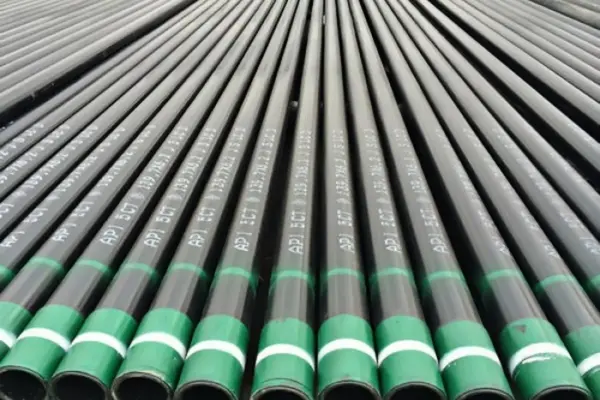
Three ways to ensure smoothness as required when producing straight seam steel pipe1. Rolling mold: The general method of rolling mold is to press the glass powder into a glass mat
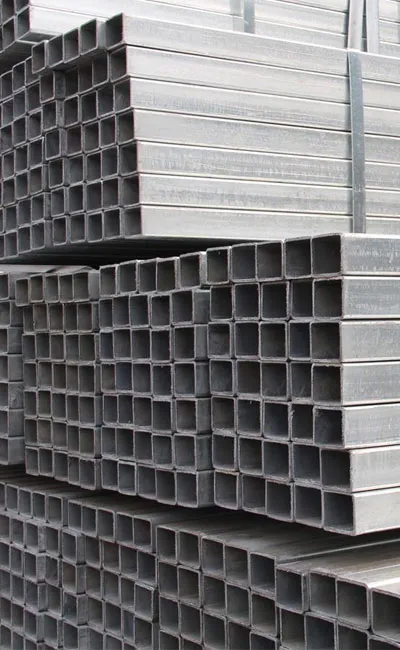
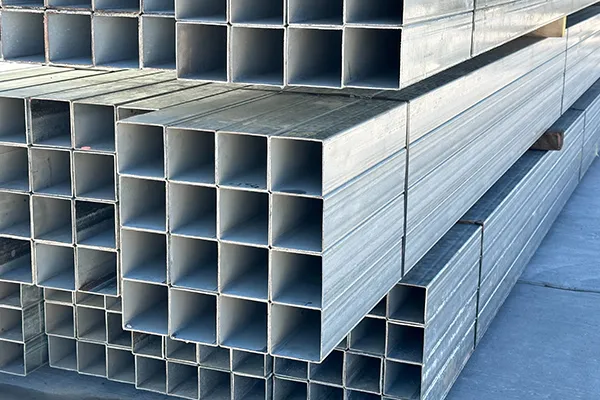
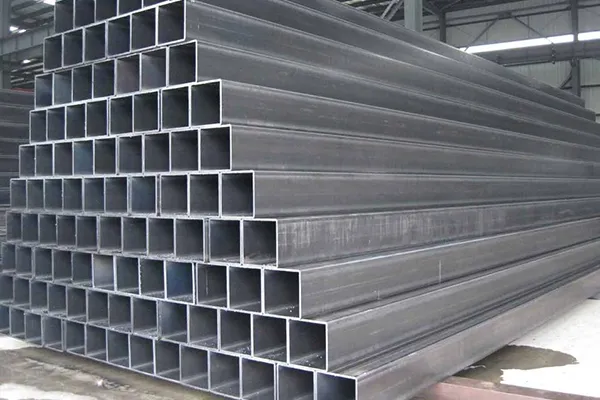
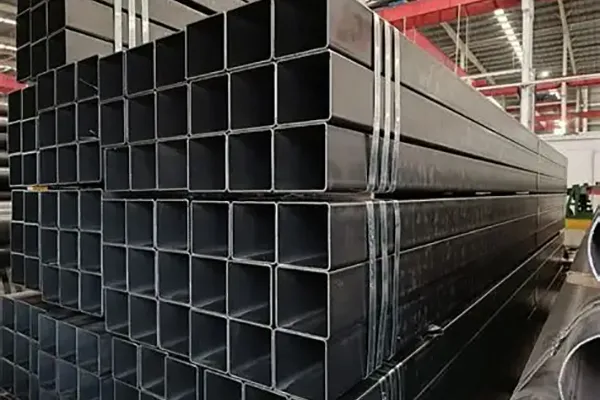
Square and rectangular hollow sections (SHS and RHS) are widely used in building frames,industrial structures,support systems,and infrastructure projects,Their structural performance depends not only on steel strength but also on section dimensions,member length,loading conditions,restraints,and connection details,
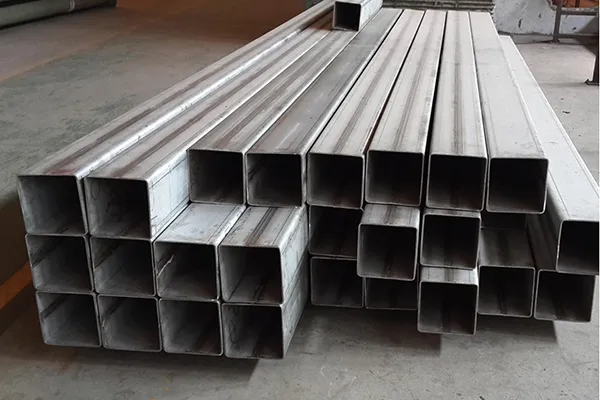
Quality control for square and rectangular steel pipes involves more than checking finished dimensions,For structural applications,material traceability,dimensional accuracy,surface condition,mechanical properties,and inspection records all contribute to product conformity,
Square and rectangular hollow sections are widely used in structural frames,equipment supports,industrial platforms and fabricated steel structures,Their closed profiles provide an efficient combination of strength,stiffness and clean geometry,but carbon steel hollow sections can corrode when they are exposed to moisture,salts,chemicals or other aggressive conditions,
Square and rectangular hollow sections are widely used in structural frames,industrial equipment,construction projects and fabricated steel structures,Their appearance is simple,but producing a section with consistent dimensions,wall thickness,straightness and material performance requires control at several stages,
Buying alloy steel pipe for an international project involves more than comparing prices per tonne,For EPC contractors,distributors and industrial buyers,procurement needs to connect technical specifications,quality control,inspection,documentation and logistics,A well-defined purchasing process helps reduce specification gaps,inspection delays and delivery problems before the pipe reaches the project site,
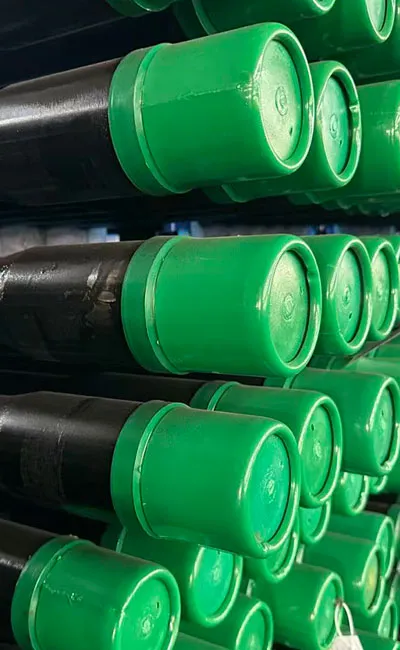
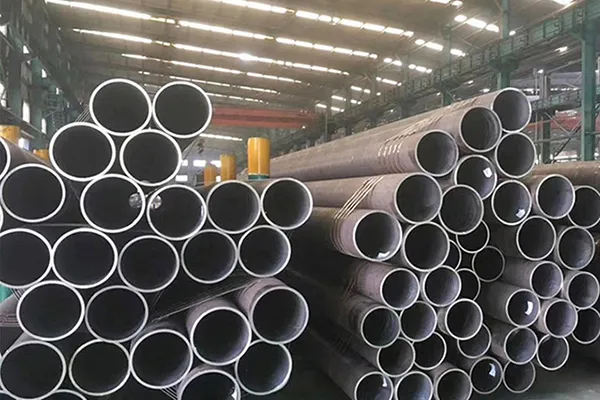
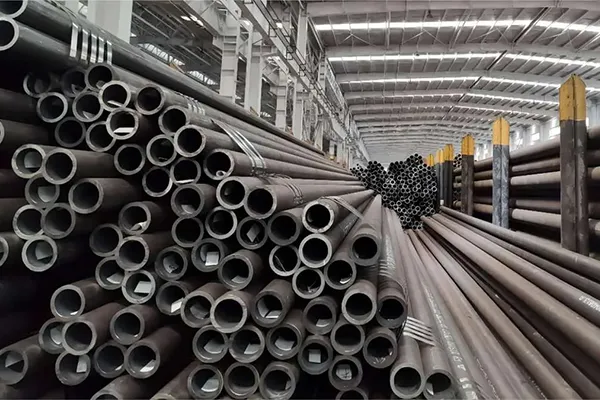
Selecting alloy steel pipe should start with the actual service conditions,not simply with a supplier's product catalog,In boiler,power generation and refinery applications,temperature,pressure,process medium and material properties all affect pipe selection,For example,ASTM A335,A335M-26 covers seamless ferritic alloy-steel pipe for high-temperature service,The standard states that selection depends on design,service conditions,mechanical properties and high-temperature characteristics,For buyers,a structured selection process helps prevent specification gaps before production begins,
Alloy steel pipe is widely used in boiler,power generation and refinery systems where piping is exposed to elevated temperatures,pressure and demanding process conditions,Selecting the correct alloy grade is important,but material selection alone does not determine service life,Long-term performance also depends on operating conditions,thermal exposure,wall thickness,fabrication quality,inspection and maintenance,For example,ASTM A335,A335M-26 covers seamless ferritic alloy-steel pipe for high-temperature service and states that material selection depends on design,service conditions,mechanical properties and high-temperature characteristics,
For alloy steel pipe used in boilers,power plants,refineries and other demanding industrial systems,quality control should cover the complete supply chain from raw material identification to final shipment,A pipe can meet the required outside diameter and wall thickness and still fail to satisfy the project specification if the material grade,heat treatment,mechanical properties or inspection records are incorrect,For buyers,effective quality control means verifying both the physical product and the evidence behind it,
High-temperature process piping places demanding requirements on pipe materials,As temperature increases,material strength can change,oxidation can become more significant,and long-term exposure can affect the service condition of the piping system,Alloy steel pipe is commonly selected for applications where elevated-temperature mechanical performance is required,Typical uses include refinery process lines,petrochemical units,boiler and steam systems,power-generation facilities and other industrial piping operating under elevated temperature and pressure,The correct selection,however,depends on the complete service condition rather than temperature alone,
Alloy steel pipe is used in industrial systems where the material must maintain reliable mechanical properties under demanding temperature and pressure conditions,Common applications include power plants,boilers,refineries,petrochemical facilities and high-temperature process piping,For these applications,pipe quality is determined by more than the alloy grade shown on the material certificate,The manufacturing route,heat treatment,dimensional control and inspection process all affect the final condition of the pipe,Understanding these stages helps engineers and buyers evaluate alloy steel pipe before it enters an industrial project,
A plant shutdown creates a limited window for inspection,maintenance and piping replacement,When stainless steel piping needs to be repaired or replaced,delays in material procurement or specification confirmation can quickly affect the shutdown schedule,A practical shutdown strategy starts before equipment is taken offline,Identifying critical pipe sections,confirming replacement specifications and securing materials in advance can help maintenance teams reduce avoidable delays and prepare the system for a controlled restart,
For an overseas stainless welded steel pipe order,delivery does not begin when the cargo reaches the port,It starts with accurate specification confirmation and continues through production,inspection,packing,documentation and logistics coordination,For EPC contractors,fabricators,distributors and project buyers,each stage can affect the final delivery schedule,A well-managed shipment therefore requires technical and commercial information to remain consistent from the purchase order to the final dispatch,
We use cookies and other tracking technologies to improve your browsing experience on our website, to show you personalized content and targeted ads, to analyze our website traffic, and to understand where our visitors are coming from.









 English
 Español
 русский язык
 Português