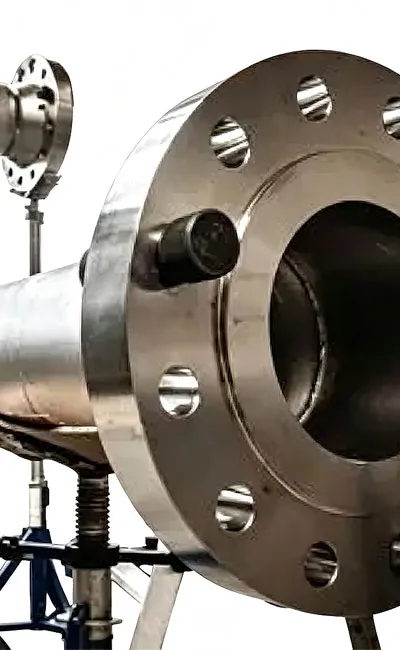
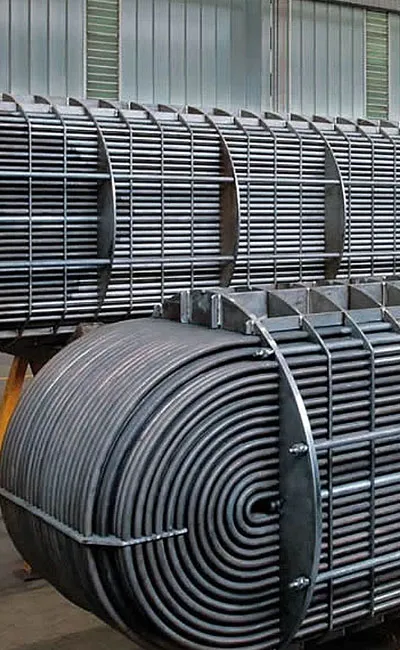
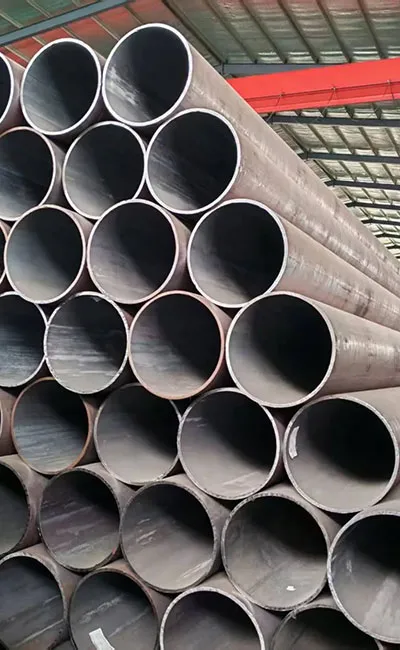
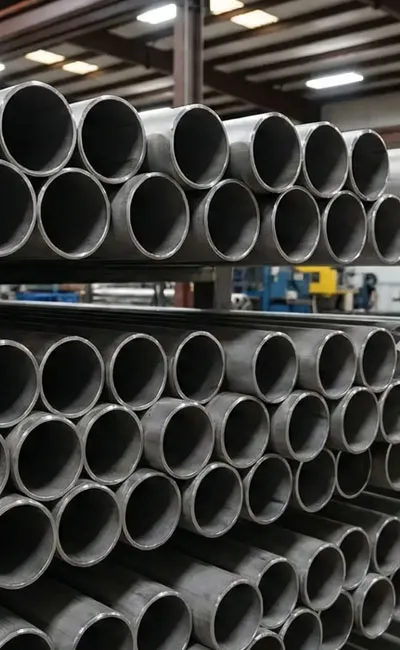
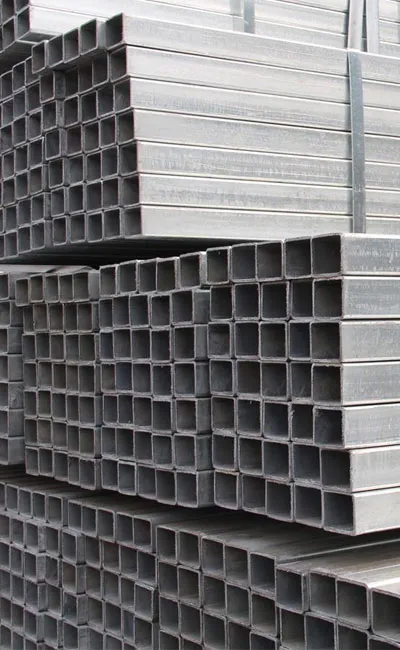
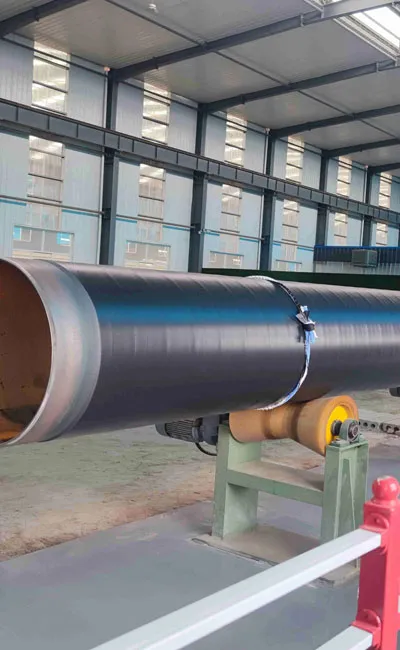
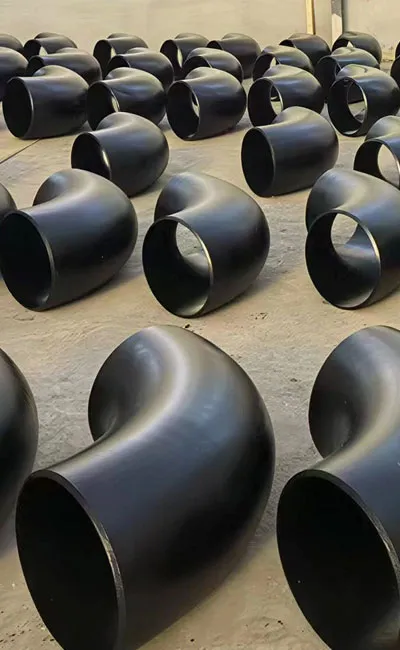
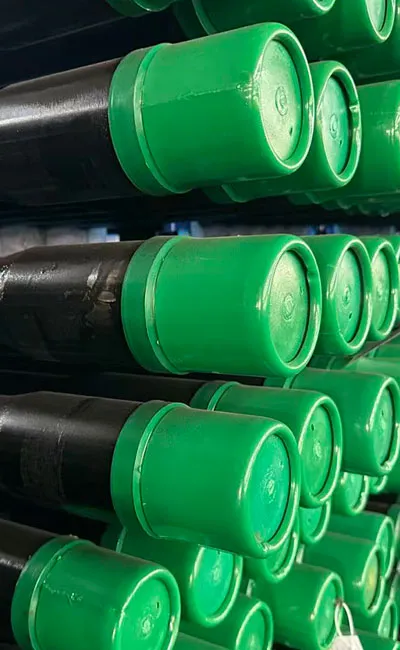
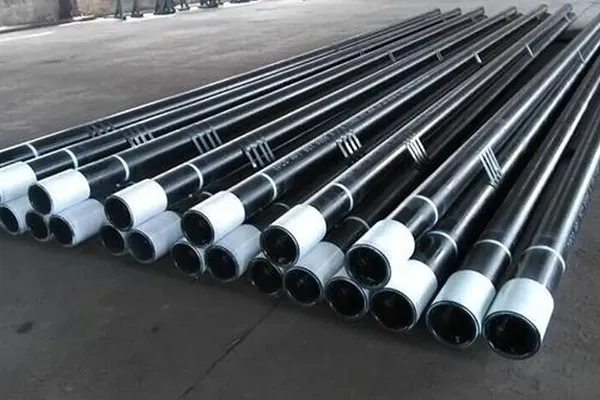
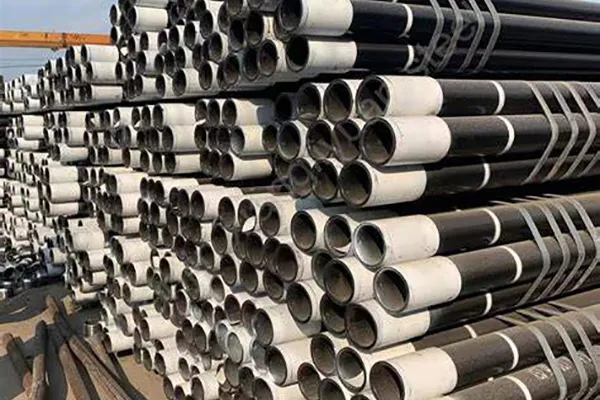
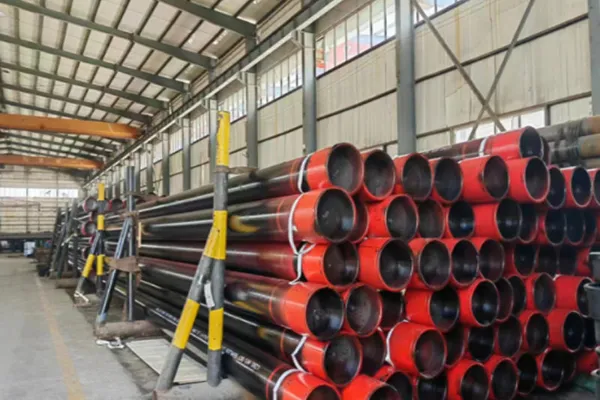
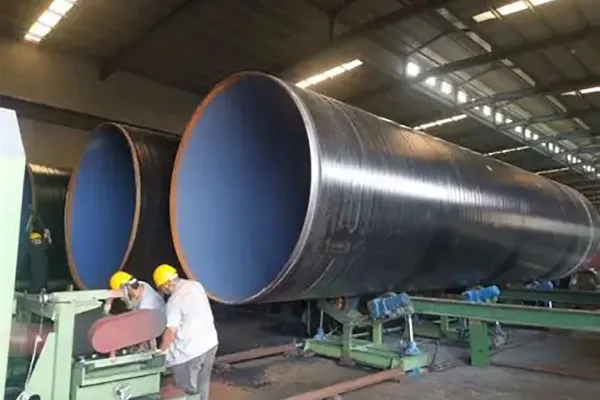
Hunan Great Steel Pipe Co., Ltd provides services that reduce total project cost and keep complex piping systems on schedule. Including Cutting, Rolling and Bending, Coating, Beveling, Threading, Welding and Assembly Forming.
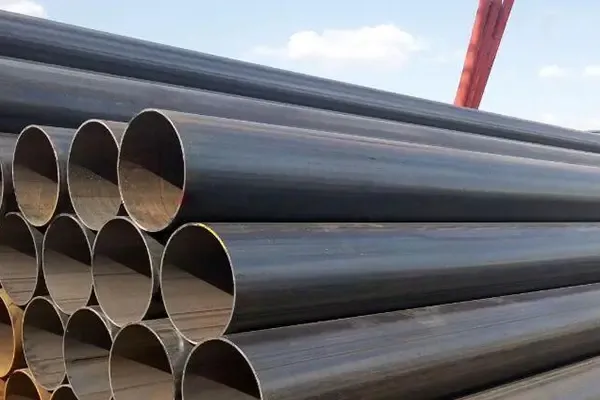
For global steel stockists and traders,profit hinges on seizing market bottom prices and fast delivery resources,This month,we launch an exclusive limited-time flash promotion for large diameter welded steel pipes,Unbeatable factory bottom prices,full specifications and ultra-fast shipment create a rare stocking chance you cannot miss,
Global maritime shipping instability and rising freight costs have greatly affected international steel trade in recent years,Many overseas orders are delayed or blocked due to complex logistics and regional uncertainties,To avoid market risks and create stable supply channels for global clients,we have adjusted our global trade strategy,We build overseas warehouse networks and set up a professional international procurement team to support steady order delivery,Focusing on long-term and stable development,we are actively following the Belt and Road Initiative and shifting our focus to Central Asian markets,These inland markets are less affected by sea shipping risks and have huge potential in energy and infrastructure construction,After long-term market cultivation,we have accumulated stable local client resources and rich project service experience in Central Asia,
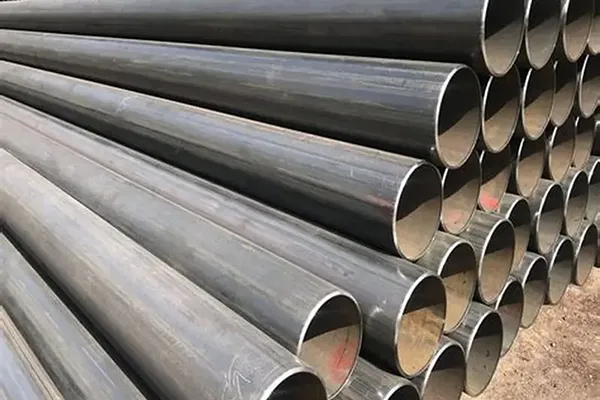
Three ways to ensure smoothness as required when producing straight seam steel pipe1. Rolling mold: The general method of rolling mold is to press the glass powder into a glass mat
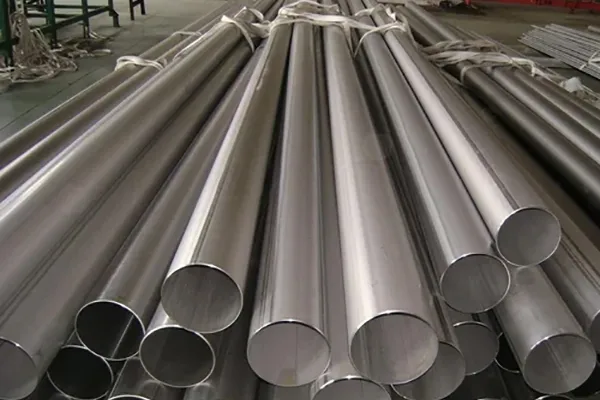
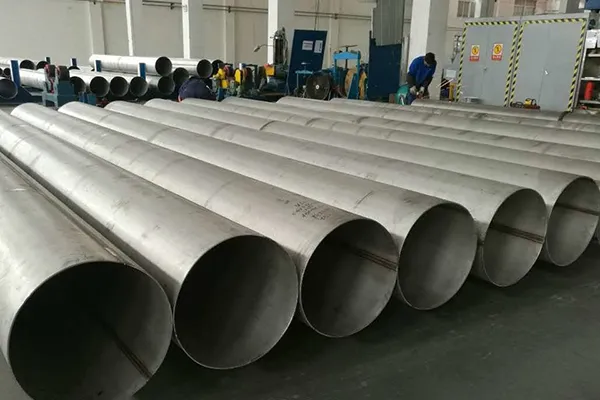
Stainless welded steel pipe provides good corrosion resistance in many industrial applications,but stainless steel piping should not be treated as maintenance-free,Process fluids,deposits,contamination,mechanical stress,temperature changes and operating conditions can all affect piping performance,A practical maintenance program helps identify deterioration before it develops into leakage,unplanned shutdowns or costly replacement work,
Buying stainless welded steel pipe for an overseas project involves more than comparing product prices,The final procurement result can also depend on specification accuracy,inspection,documentation,packing,transportation and delivery timing,For EPC contractors,distributors and international project buyers,a complete purchasing process should connect the technical specification with the supply and logistics plan,
Chemical processing plants can expose piping systems to corrosive chemicals,elevated temperatures,pressure changes,deposits and repeated cleaning cycles,Stainless welded steel pipe can perform reliably in many of these environments,but material selection and fabrication must match the actual process conditions,Preventing piping problems starts before installation,The chemical service,pipe specification,weld quality,surface condition and operating conditions should all be considered as part of the system design,
Choosing stainless welded steel pipe for an industrial project involves more than selecting a grade and size,The pipe must match the service conditions,applicable standard,dimensional requirements,inspection level and delivery requirements,A clear specification at the purchasing stage can help avoid material mismatches,additional inspection costs and installation problems later,
Water,process fluids and industrial utilities can expose piping systems to corrosion,temperature changes,pressure and chemical contamination,Stainless welded steel pipe can provide a practical solution when the material grade,dimensions,weld quality and surface condition are matched to the actual service conditions,The key is not simply choosing stainless steel,Pipe selection should consider the fluid,operating temperature,pressure,corrosion environment,applicable standard and project requirements,
Quality control for stainless welded steel pipe should begin with the incoming material and continue through forming,welding,sizing,finishing and final inspection,For project procurement,checking only the finished pipe is not enough,A reliable inspection process should confirm that the supplied pipe matches the agreed material grade,dimensions,manufacturing requirements,testing requirements and documentation,The exact inspection plan depends on the applicable product standard and purchase specification,For example,ASTM A312 covers straight-seam welded austenitic stainless steel pipe and specifies requirements for chemical composition,mechanical properties and applicable testing,
Stainless welded steel pipe is widely used in industrial systems because stainless steel provides good corrosion resistance in many service environments,However,stainless steel is not corrosion-proof,Chlorides,deposits,contamination,unsuitable material selection,poor fabrication practices and aggressive operating conditions can all create corrosion risks,For this reason,preventing stainless welded steel pipe corrosion starts before installation and continues throughout the service life of the system,
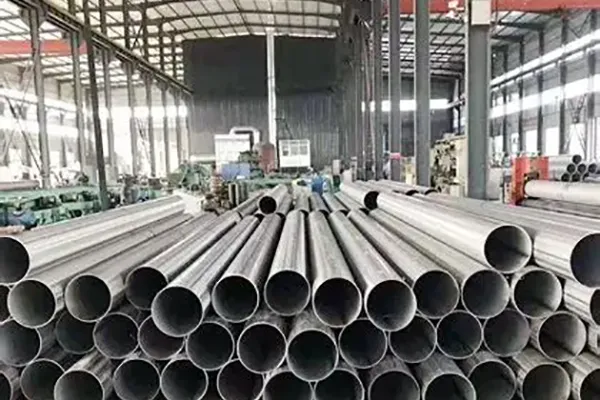
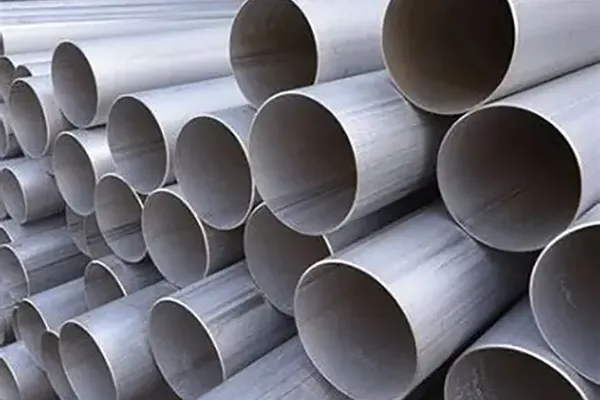
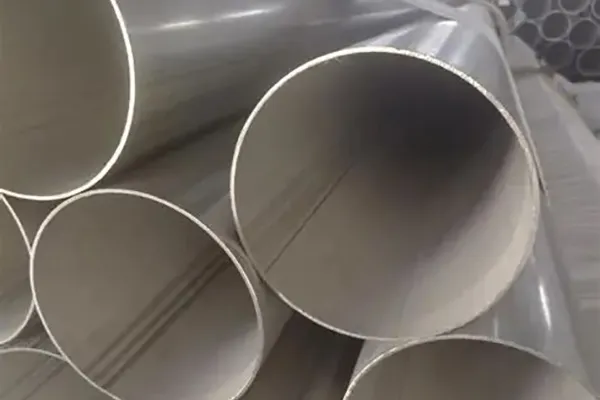
Stainless welded steel pipe is produced by forming stainless steel strip or plate into a tubular shape and joining the longitudinal edges by welding,While the basic process is straightforward,consistent pipe quality depends on controlling the material,forming,weld,dimensions,surface condition and inspection requirements from start to finish,For industrial orders,the manufacturing process must also maintain material traceability and match the pipe with the specified grade,dimensions,standard,surface finish and testing requirements,
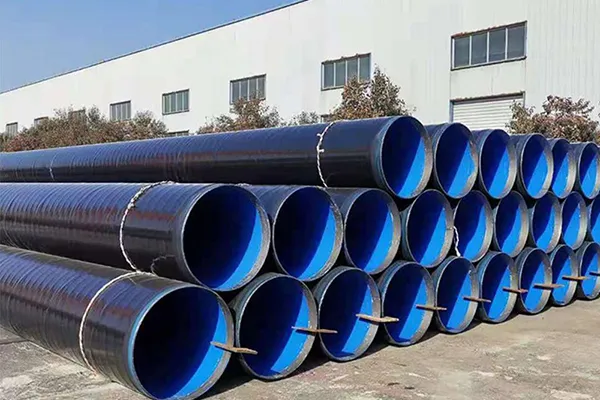
Pipeline projects do not always follow the original procurement schedule,A maintenance replacement may become urgent,A construction team may need additional pipe after the main order has been delivered,A distributor may also receive a short-notice customer request,In these situations,3PE anti corrosion steel pipe available from stock can provide an alternative to starting a new production cycle,However,faster availability does not remove the need for technical verification,The pipe must still match the project specification,coating requirements,inspection scope,and delivery conditions,
For a 3PE anti corrosion steel pipe order,manufacturing is only one part of successful project delivery,The pipe must also be inspected,protected,identified,loaded,transported,and delivered in a condition suitable for the next stage of the project,For overseas pipeline projects,shipment preparation therefore connects technical compliance with logistics execution,Good preparation helps reduce coating damage,identification problems,documentation gaps,and delays at the destination,
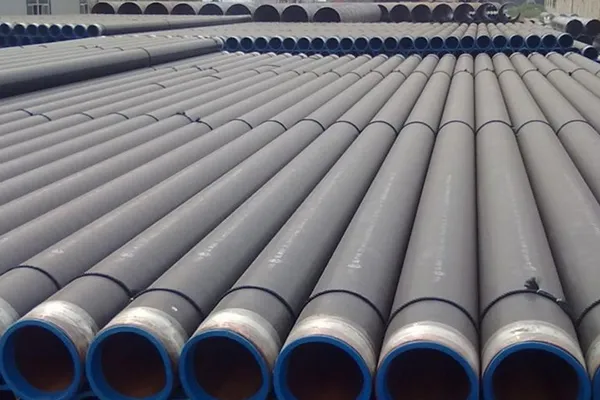
3PE anti corrosion steel pipe is widely used to reduce external corrosion risk in buried and submerged pipeline applications,The system combines a fusion-bonded epoxy layer,adhesive layer,and polyethylene outer layer to protect the steel pipe from its surrounding environment,ISO 21809-1:2018 specifies requirements for plant-applied three-layer polyethylene and polypropylene coatings for relevant pipeline transportation systems,although project specifications may define additional requirements,However,3PE coating performance depends on more than the coating material itself,Problems can occur during surface preparation,coating application,transportation,installation,field joint coating,or pipeline operation,Identifying these risks early helps project teams prevent coating failure and unnecessary repair,
Buying 3PE anti corrosion steel pipe from an overseas supplier involves more than comparing prices per ton,For EPC contractors,project owners,distributors,pipeline contractors,and international traders,a successful purchase depends on matching the steel pipe specification,coating requirements,inspection scope,documentation,packaging,and delivery schedule,A clear procurement process helps reduce specification misunderstandings,coating damage,inspection delays,and unexpected costs,
We use cookies and other tracking technologies to improve your browsing experience on our website, to show you personalized content and targeted ads, to analyze our website traffic, and to understand where our visitors are coming from.








 English
 Español
 русский язык
 Português