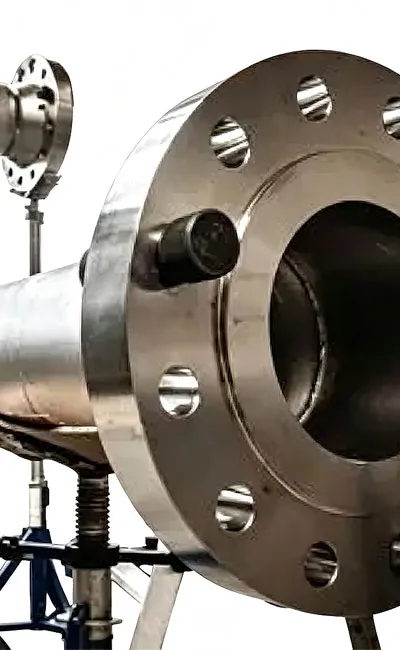
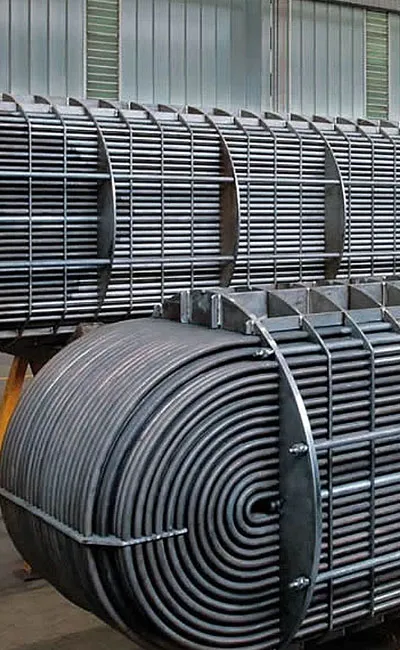
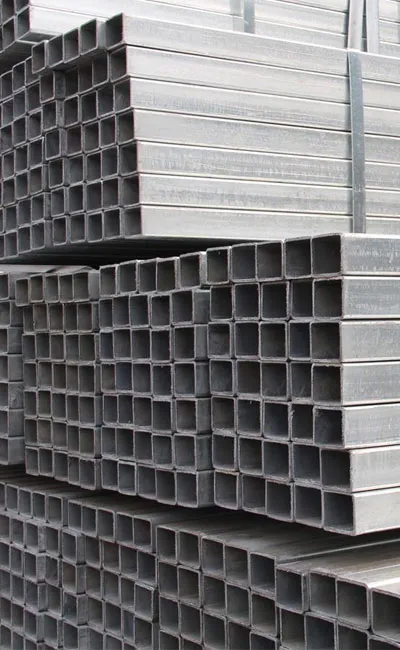
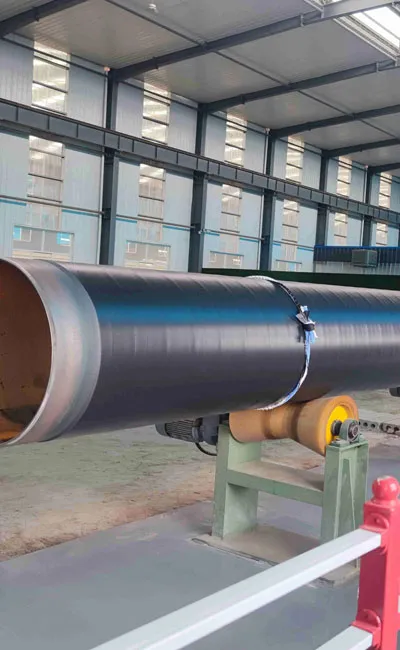
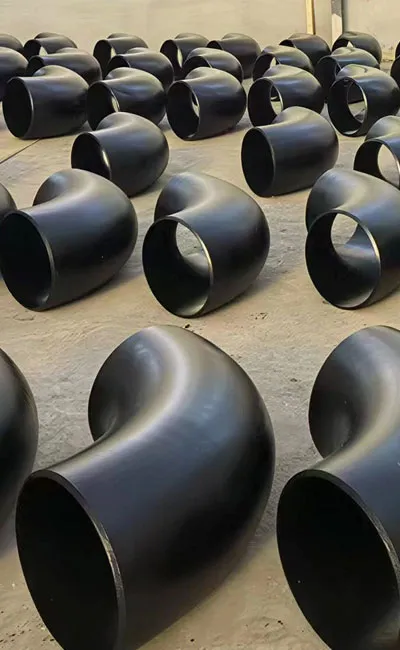
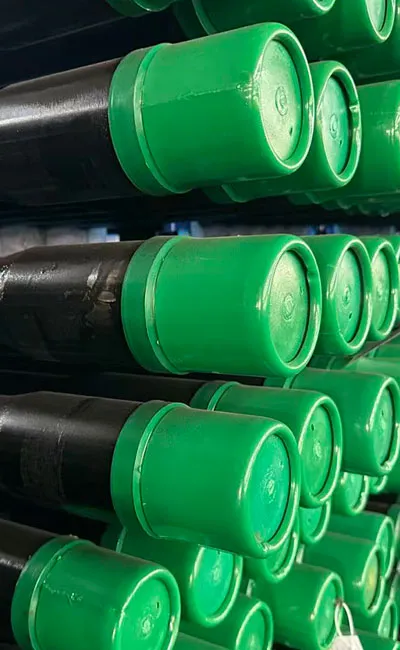
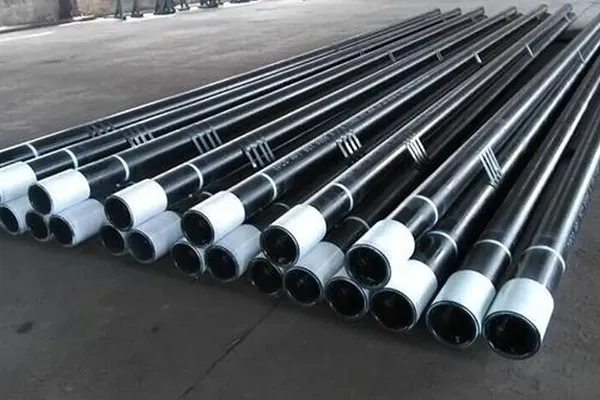
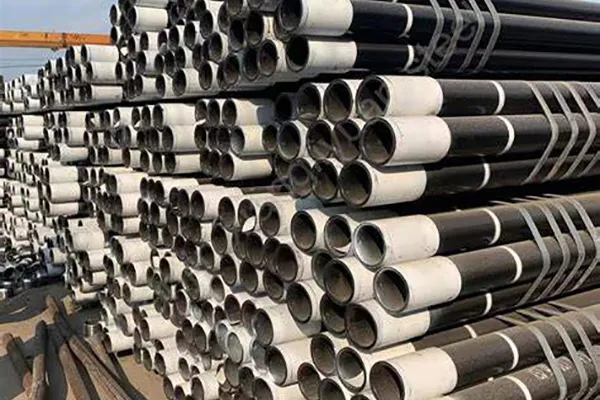
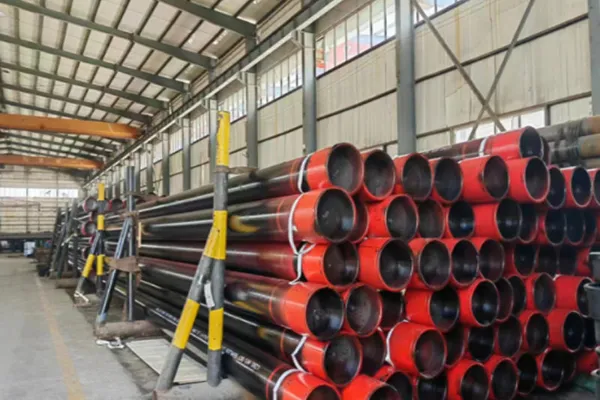
Hunan Great Steel Pipe Co., Ltd provides services that reduce total project cost and keep complex piping systems on schedule. Including Cutting, Rolling and Bending, Coating, Beveling, Threading, Welding and Assembly Forming.
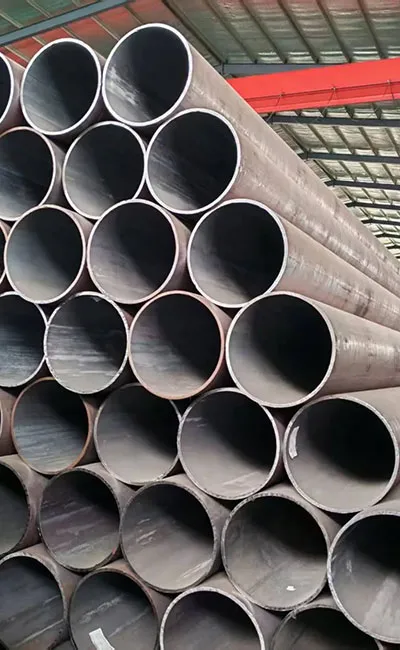
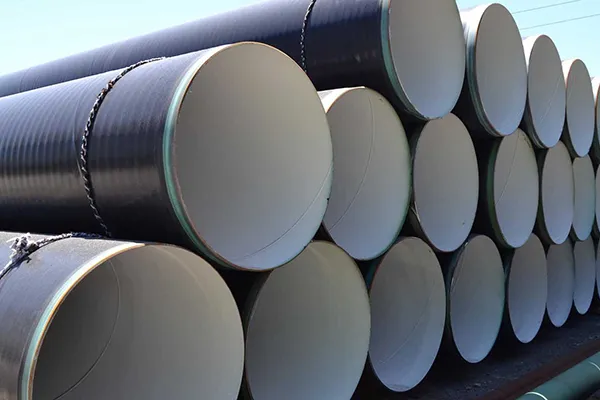
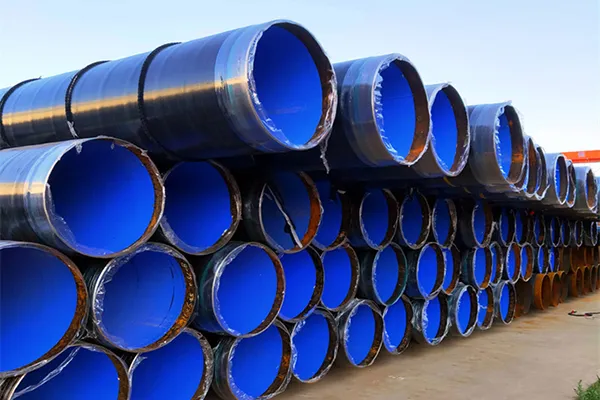
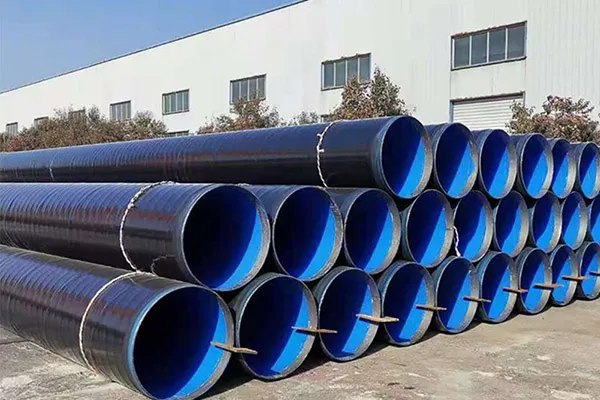
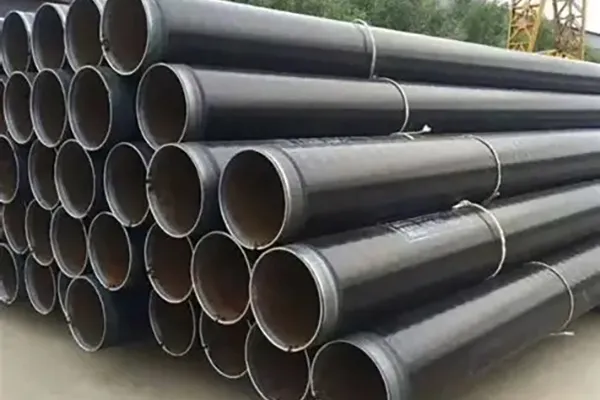
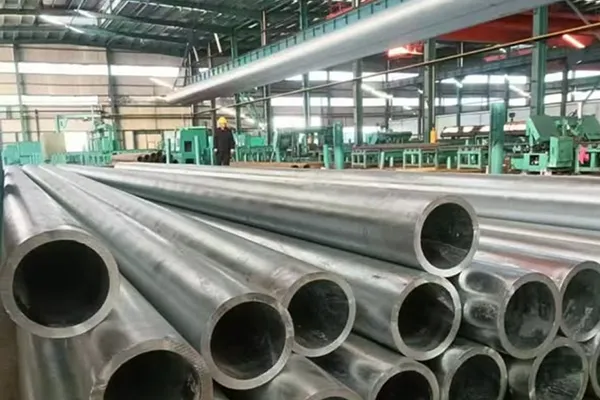
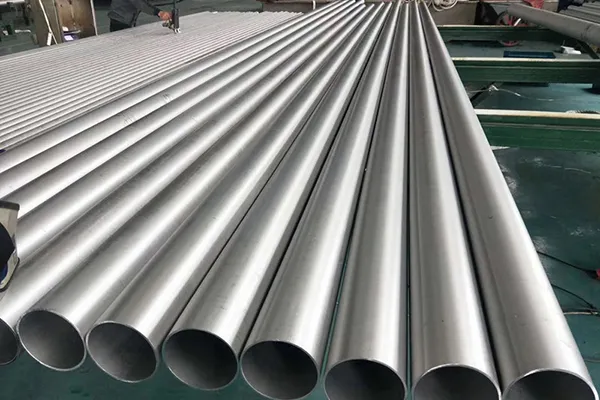
For global steel stockists and traders,profit hinges on seizing market bottom prices and fast delivery resources,This month,we launch an exclusive limited-time flash promotion for large diameter welded steel pipes,Unbeatable factory bottom prices,full specifications and ultra-fast shipment create a rare stocking chance you cannot miss,
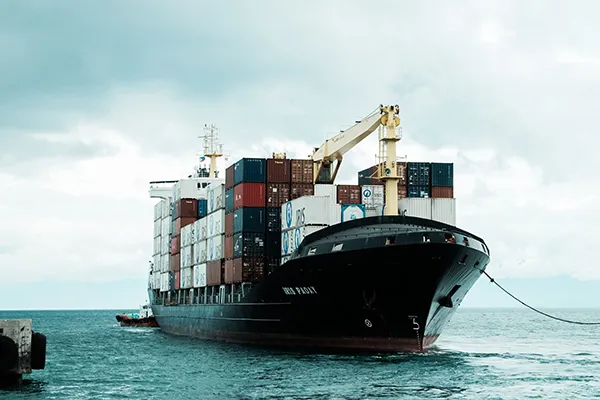
Global maritime shipping instability and rising freight costs have greatly affected international steel trade in recent years,Many overseas orders are delayed or blocked due to complex logistics and regional uncertainties,To avoid market risks and create stable supply channels for global clients,we have adjusted our global trade strategy,We build overseas warehouse networks and set up a professional international procurement team to support steady order delivery,Focusing on long-term and stable development,we are actively following the Belt and Road Initiative and shifting our focus to Central Asian markets,These inland markets are less affected by sea shipping risks and have huge potential in energy and infrastructure construction,After long-term market cultivation,we have accumulated stable local client resources and rich project service experience in Central Asia,
Three ways to ensure smoothness as required when producing straight seam steel pipe1. Rolling mold: The general method of rolling mold is to press the glass powder into a glass mat
3PE anti corrosion steel pipe is designed to reduce external corrosion risk,particularly in buried and submerged pipeline applications,However,a high-quality factory-applied coating does not remove the need for inspection,monitoring,and maintenance after installation,Pipeline conditions can change over time,Coating damage may also occur during installation,excavation,third-party activities,or other maintenance work,A preventive maintenance program helps operators identify potential problems before they develop into more serious pipeline integrity issues,
Choosing the right 3PE anti corrosion steel pipe is not simply a matter of selecting a pipe with a polyethylene outer layer,For buried pipelines,water transmission systems,oil and gas transportation,and industrial infrastructure,the pipe and coating system need to match the operating environment,installation conditions,technical specification,and inspection requirements,A clear selection process helps buyers reduce coating-related risks before the pipe reaches the jobsite,
External corrosion is an important consideration for steel pipelines exposed to soil,moisture,salts,groundwater,and other aggressive conditions,For long-distance and buried pipelines,corrosion protection should not be treated as a maintenance issue alone,It needs to be considered from pipeline design and procurement through coating application,installation,and operation,3PE anti corrosion steel pipe provides a multilayer external barrier that helps reduce the steel surface's exposure to the surrounding environment,However,its effectiveness depends on coating quality,installation practices,field joint protection,and the overall corrosion-control strategy,
3PE anti corrosion steel pipe is widely used for buried and submerged pipeline systems because its external coating helps protect the steel substrate from moisture,soil,and other external corrosion risks,However,a good-looking coating does not necessarily mean a qualified coating system,Surface preparation,coating thickness,adhesion,continuity,pipe-end condition,repair,and documentation all need to be controlled,For this reason,3PE quality control should cover the complete production and inspection process rather than relying on final visual appearance alone,
Buried steel pipelines operate in an environment that is difficult to control,After installation,the pipe may remain in contact with soil,moisture,groundwater,salts,and other external conditions for many years,Without suitable external corrosion protection,the exposed steel surface can gradually deteriorate,This is why 3PE anti corrosion steel pipe is widely considered for buried pipeline systems,Its three-layer external coating creates a protective barrier between the steel surface and the surrounding environment while also providing additional mechanical protection during handling and installation,
3PE anti corrosion steel pipe is widely used for buried pipelines,water transmission,oil and gas transportation,and infrastructure projects where steel pipes are exposed to moisture,soil,salts,and other external corrosion risks,A 3PE coating is more than a polyethylene outer layer,Its performance depends on the condition of the steel surface,the fusion-bonded epoxy (FBE) primer,the adhesive layer,the polyethylene outer layer,and the inspection performed throughout production,Understanding the manufacturing process helps engineers and buyers evaluate 3PE coated steel pipe before placing an order,
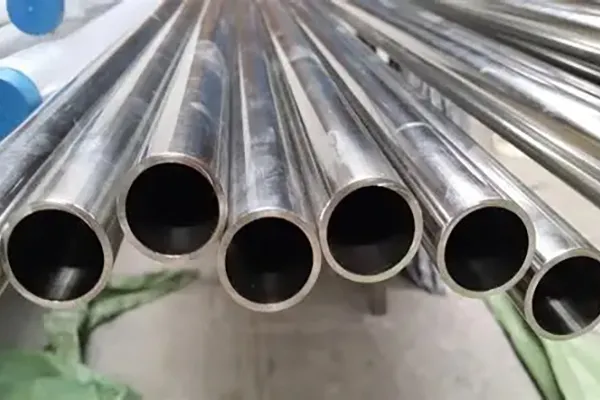
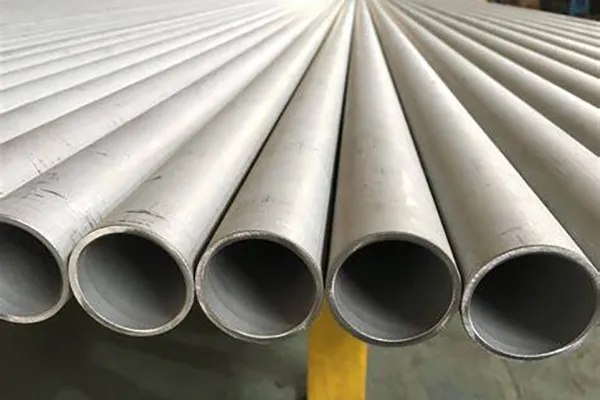
When an industrial project is already underway,waiting for a full production cycle is not always practical,Maintenance shutdowns,replacement requirements,construction delays,and additional project quantities can create an immediate need for stainless seamless steel pipe,In these situations,available stock can provide a shorter procurement route—provided the material matches the project specification,For urgent orders,speed matters,but specification,traceability,inspection,and delivery control should not be overlooked,
For an international stainless seamless steel pipe order,manufacturing is only one part of successful project execution,The supplier must also ensure that the specified material is inspected,traceable,documented,properly packaged,and released for shipment,For EPC contractors,project owners,distributors,and engineering companies,these steps can directly affect project schedules and receiving inspections,A well-managed shipment creates a clear connection between the purchase specification and the physical cargo delivered to the project,
Stainless seamless steel pipe is widely used in industrial piping because it can provide corrosion resistance and reliable mechanical performance when the material is correctly selected for the service conditions,However,seamless construction does not eliminate every piping risk,Corrosion,wall-thickness loss,connection leakage,thermal movement,mechanical damage,and material mix-ups can still affect system reliability,Understanding the common problems—and how they develop—helps engineers and maintenance teams prevent avoidable failures,
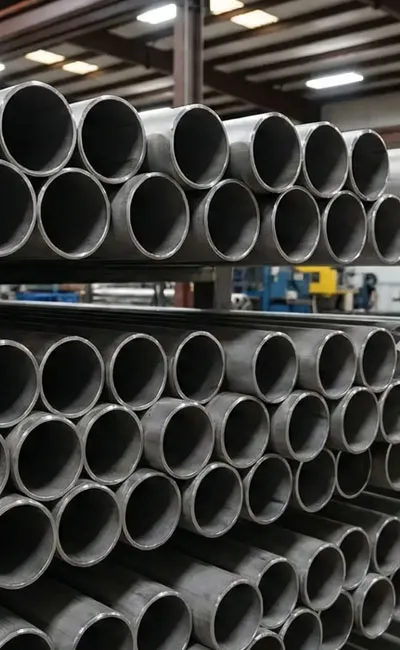
Buying stainless seamless steel pipe for an overseas project requires more than comparing prices per ton,For EPC contractors,project owners,engineering companies,distributors,and international traders,the purchase also involves material selection,technical compliance,inspection,traceability,packaging,shipping,and delivery control,The most effective approach is to define the technical requirements first and then compare suppliers against the same specification,
Stainless seamless steel pipe is often selected for its corrosion resistance and long service potential,but it still requires proper maintenance after installation,Maintenance is not simply about replacing pipe when damage appears,A better approach is to monitor the pipe,control avoidable risks,and identify changes before they develop into leakage,wall loss,or more serious system problems,
Choosing stainless seamless steel pipe should start with the service conditions,not the supplier's lowest price,The correct pipe needs to match the fluid,temperature,pressure,corrosion environment,dimensions,applicable standard,inspection requirements,and project schedule,A clear selection process helps buyers avoid material mismatches,specification changes,and problems during installation or acceptance,
We use cookies and other tracking technologies to improve your browsing experience on our website, to show you personalized content and targeted ads, to analyze our website traffic, and to understand where our visitors are coming from.










 English
 Español
 русский язык
 Português